


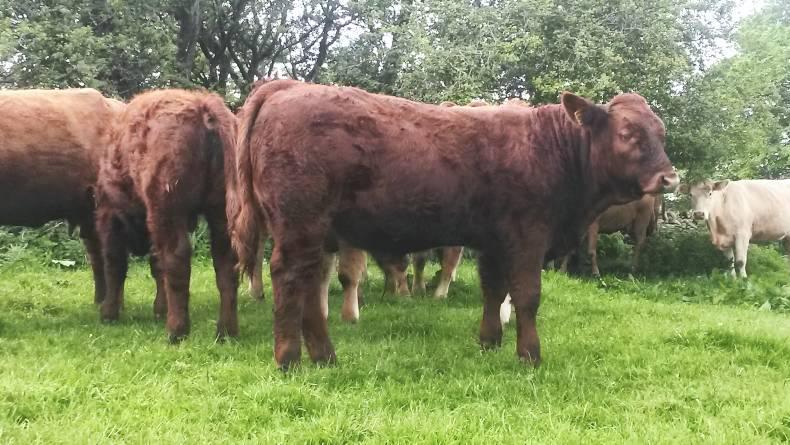
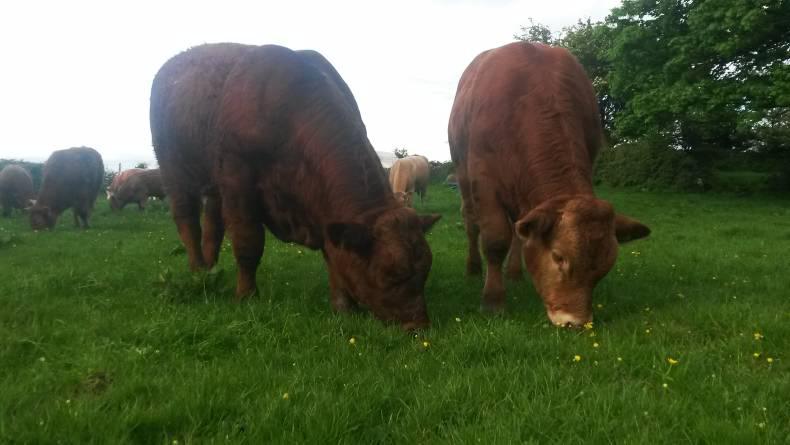
The first batch of weanling bulls to be sold this year were sold off the farm last week. A price was agreed by weight and, following weighing, the bulls were sent on their travels to be finished in the east of the country.
I did look at finishing these bulls myself but after various calculations involving weight gain, finishing period, cost of feeding, expected kill-out percentage, etc., I decided against going down this route. It is something I will consider in the future again, but for the moment, without suitable facilities and with no experience of finishing bulls, I will stick to putting on as much weight as possible before sale and achieving the highest possible price per kg.
The main difference in my system this year, compared to other years, is that the bulls were sold direct off the farm, as compared to other years where they were brought to the local mart for sale.
The local co-operative marts have a number of positive factors in their favour for farmers selling cattle. Number one on this list is the guarantee of payment, which is a major risk for farmers selling off the land. However, with modern internet banking facilities, payment can be transferred and secured before animals leave a holding.
The other advantage of the local mart is that they offer a competitive market place, (most of the time), for buyers and sellers to achieve a fair market price. Many people will add that it gives a social outlet for farmers living in rural Ireland who may not have any other opportunities to get out and meet people during the week.
So what’s the future for our local cattle marts? I see huge challenges facing marts, particularly in the west of Ireland. A quick internet search provides me with a list of ten cattle marts within an hour’s drive. Can all these marts survive with reduced turnover and increasing costs?
With more and more farmers having off-farm employment, creating time to get to a mart either to buy or sell cattle is a problem and not every mart can be held on a Saturday. Sure there is an increase in trading of cattle via online websites, but this can take as much time and often fruitless travel as visiting a mart.
There will have to be a change in the way marts use technology to increase sales and reduce costs. How many marts have an active website where buyers can log in and see the details of cattle on sale before traveling? Are many marts making use of online bidding to increase the number of active buyers?
As marts are starting to upgrade their display systems, this could be the opportunity to invest in technology, to increase mart turnover and help ensure their survival into the future. Because, without offering something more to clients, the future could be very challenging.



SHARING OPTIONS