


While the focus of the trade in Ireland is on the huge gap between our prices and Britain, overall the world market is in a particularly weak state at present. A huge driver in this is the collapse of the Brazilian Real against the main trading currencies, with its value against the euro down by almost a third over this year.
Brazil is the world’s third largest exporter of beef and in the past six months it has had a complete refocus on markets for its beef. The collapse in oil values along with a serious development of its domestic industry has meant that sales to Russia, the second largest importer in the world, have fallen dramatically. This had been Brazil’s key market since the EU trade ban was imposed in the middle of 2014, which incidentally collapsed the value of Irish offal and damaged our diary industry as well.
Attention
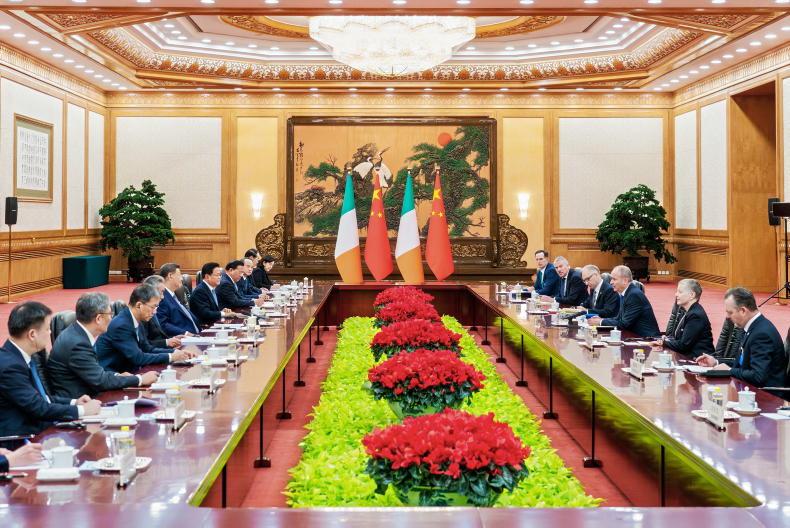
Brazil has now switched its attention to China and though it only got approval in June this year it has already become its main export destination. In November just under 20,000 tonnes (swt) were shipped directly to China and a further 17,000 tonnes went to Hong Kong and Vietnam, much of which also finishes up in China.
Brazilian prices are seriously competitive with cattle last week making the equivalent of just €2.06/kg. This drop by almost a third over this year mirrors the collapse in the value of the currency. Irish exports to the Philippines have taken a hit on the back of this and as a result we are left with bulging cold stores full of lower specification manufacturing beef and flanks.
After two years of outstanding performance the US price collapsed in recent months, falling by almost two dollars from the peak in May. There was a bounce back in September but the downward trend has resumed with a massive 40c/kg equivalent fall in the first two weeks of December. High quality manufacturing beef for the burger trade has also collapsed by the equivalent of 80c/kg from this time last year.
It was worth up to a euro per kilo more than European prices at that point and is now making the equivalent of €3.80/kg which is still well ahead of the EU average. There is a view in the US that the present slump may be short enough lived, caused by oversupply and that the market will return to balance in the New Year.
Record levels
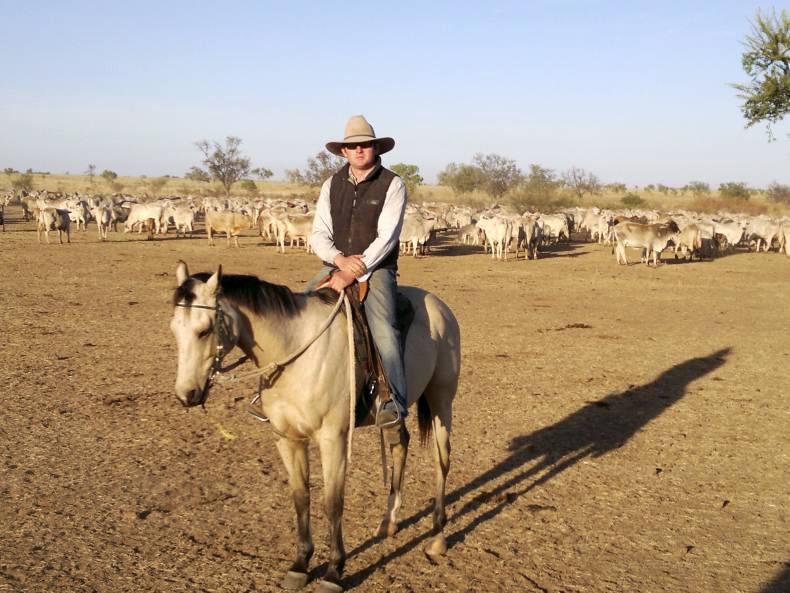
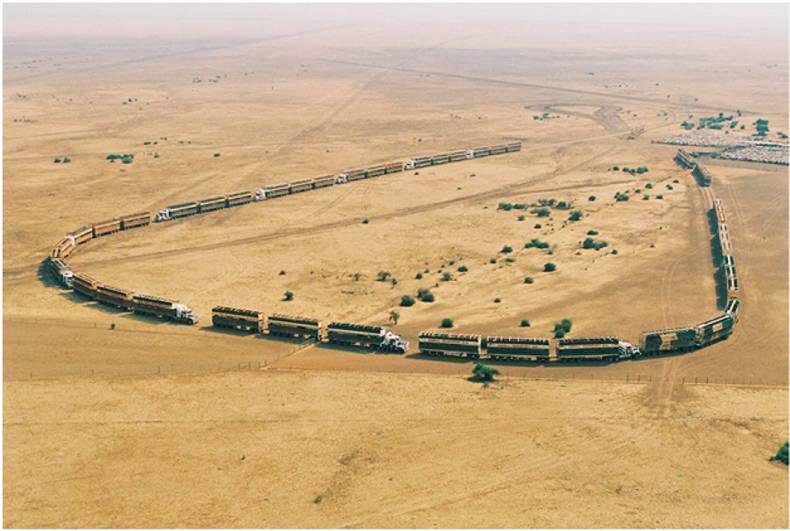
The other huge global player that impacts on Irish exports is Australia, where prices have been at record levels in 2015. There prices have surged from the equivalent of €2.30/kg this time last year to €3.44/kg last week. A weakening Australian dollar has contributed but the main driver in the Australian beef price surge is putting 400,000 tonnes of high quality manufacturing beef into the US.
They have also had record production this year killing over nine million cattle but strangely drought in Queensland has resulted in a huge reduction in supplies in the system. The kill is expected to fall next year by two million head which after the record kill of this year will be a twenty year low. If Australian suppliers were to tighten it may leave more of an opportunity for Ireland in international markets, particularly the US. However we won’t have it to ourselves as Brazil are approved again and they will be operating out of the same 64,000t US import quota as Ireland.
Trade in our main export markets in Europe has also been disappointing for much of this year and shows no signs of changing. Both French and Italian prices are below Ireland with only Germany showing a resurgence.




SHARING OPTIONS