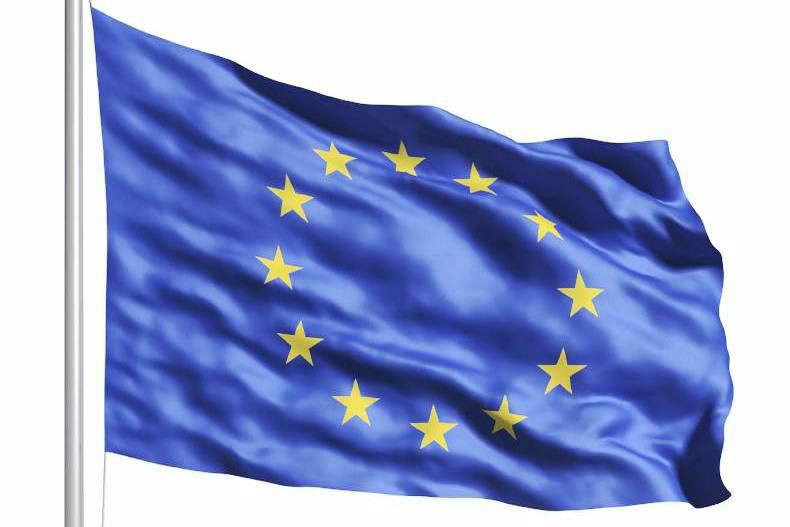
The Netherlands has outlined plans for its presidency of the European Union for the first six months of 2016.
The presidency changes every six months and this will mark the 12th time the country has held the position, as they take over the helm from Luxembourg.
The Netherlands said that creating smarter, simplified rules will reduce costs for citizens and that “it is important for citizens to feel connected to Europe”.
Mediating between EU member states and EU institutions like the European Commission are duties of the hosting state, as well as drawing up a six-month programme consisting of aims for the term.
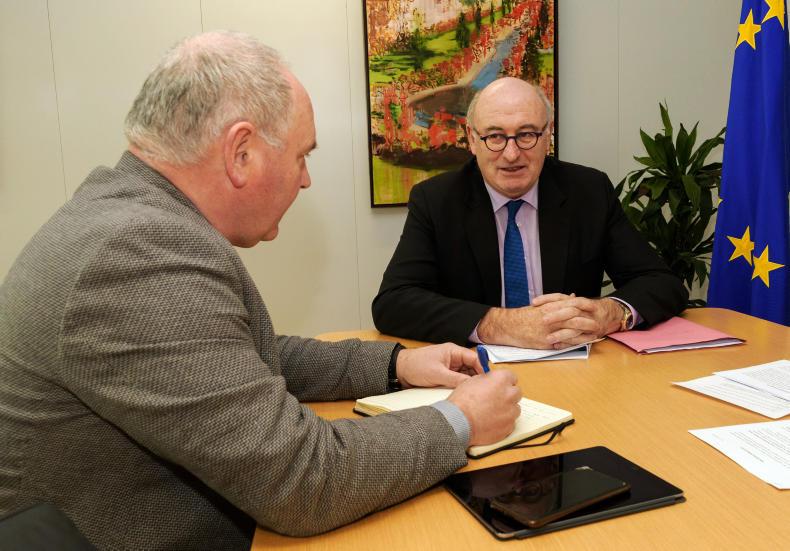
Some of the priorities outlined include steering talks on simplifying the Common Agricultural Policy (CAP) post 2020. Brussels-based Agra Facts journalist Rose O’Donavan said that this is a top priority for EU Commissioner for Agriculture and Rural Development, Phil Hogan.
“Hogan has been clear that CAP simplification is not about changing EU farming policy rules but, rather, about adopting a more common-sense approach. He wants to ease the administrative burden on farmers ... and this is supposed to be encouraged by the Dutch presidency for the first six months of 2016.”
Closely monitoring and developing markets for agricultural products, regulating organic production and instigating debate on climate-smart agriculture are also on the Dutch agenda.
The hosting country, for the first half of the year, plans to make progress on plant breeders’ rights and ensuring access to source material for the breeding of crops and grass.
A commission plan to allow national bans on importing genetically modified food and feed is another significant issue.
Ed Bray, Agra Facts journalist, said there is opposition to this plan from both the EU council and MEPS as it is thought “this could cause disruptions to the internal market, so it remains to be seen whether the Dutch presidency will seek to strike a common position during its term”.
The Dutch presidency has confirmed that the agricultural council scheduled for 25 January has been cancelled, so ministers will now hold their first meeting of the year on 15 February.
Read more
Richard Moeran talks organic farming
European Parliament votes against national GM feed opt-out
Macra seeks meeting with Coveney over delayed CAP payments
The Netherlands has outlined plans for its presidency of the European Union for the first six months of 2016.
The presidency changes every six months and this will mark the 12th time the country has held the position, as they take over the helm from Luxembourg.
The Netherlands said that creating smarter, simplified rules will reduce costs for citizens and that “it is important for citizens to feel connected to Europe”.
Mediating between EU member states and EU institutions like the European Commission are duties of the hosting state, as well as drawing up a six-month programme consisting of aims for the term.
Some of the priorities outlined include steering talks on simplifying the Common Agricultural Policy (CAP) post 2020. Brussels-based Agra Facts journalist Rose O’Donavan said that this is a top priority for EU Commissioner for Agriculture and Rural Development, Phil Hogan.
“Hogan has been clear that CAP simplification is not about changing EU farming policy rules but, rather, about adopting a more common-sense approach. He wants to ease the administrative burden on farmers ... and this is supposed to be encouraged by the Dutch presidency for the first six months of 2016.”
Closely monitoring and developing markets for agricultural products, regulating organic production and instigating debate on climate-smart agriculture are also on the Dutch agenda.
The hosting country, for the first half of the year, plans to make progress on plant breeders’ rights and ensuring access to source material for the breeding of crops and grass.
A commission plan to allow national bans on importing genetically modified food and feed is another significant issue.
Ed Bray, Agra Facts journalist, said there is opposition to this plan from both the EU council and MEPS as it is thought “this could cause disruptions to the internal market, so it remains to be seen whether the Dutch presidency will seek to strike a common position during its term”.
The Dutch presidency has confirmed that the agricultural council scheduled for 25 January has been cancelled, so ministers will now hold their first meeting of the year on 15 February.
Read more
Richard Moeran talks organic farming
European Parliament votes against national GM feed opt-out
Macra seeks meeting with Coveney over delayed CAP payments







SHARING OPTIONS