The European Commissioner for Agriculture wishes to return to the long-term authorisations seen for the herbicide in the past, but campaigners have launched a legislative initiative against it.
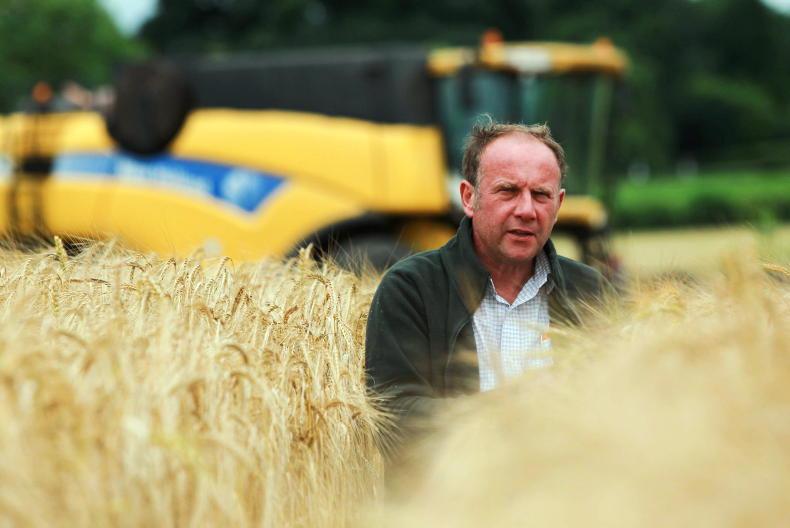
European Commissioner for Agriculture and Rural Development Phil Hogan.
ADVERTISEMENT
European Commissioner for Agriculture and Rural Development Phil Hogan has said that he hoped glyphosate would be reauthorised in the coming weeks for a period of at least 10 years. He was discussing the future of the ingredient used in herbicides such as Monsanto’s Roundup at the European Economic and Social Council ahead of the chemical’s licence expiry at the end of this year. Commissioner Hogan’s office clarified to the Irish Farmers Journal that the comments represented his consistent view on glyphosate. However, the European Commission has not yet formed its proposal on the chemical’s reauthorisation.
Glyphosate had previously been authorised for 15 years. The Commission decided on an interim 18-month authorisation last June after its experts and those mandated by member states failed to agree a common position amid conflicting scientific reports and campaigns on potential links between glyphosate and cancer.
The temporary authorisation was granted to allow the European Chemicals Agency (ECHA) to report on its toxicity. ECHA’s committee for risk assessment concluded last month that glyphosate does not cause cancer, mutations or issues for human reproduction but has yet to publish its full report. The chemical remains classified as toxic to aquatic life and causing serious eye damage.
ADVERTISEMENT
A European citizen’s initiative started on 25 January to “ban glyphosate and protect people and the environment from toxic pesticides” had just under 690,000 signatures this week. The initiative was started by environmental organisations, alternative farming organisations and consumer bodies around Europe and proposes to set EU-wide mandatory reduction targets for pesticide use. It also calls for the EU’s chemical approval process to be “based only on published studies, which are commissioned by competent public authorities instead of the pesticide industry”. If the initiative collects more than 1m signatures within one year, the European Commission must consider legislation along those lines, and explain why it decides to follow it or not.
Farmers have recently taken to social media to counter the campaign against glyphosate, using the hashtag #glyphosateisvital. NFU Scotland has been spearheading the effort, arguing that the chemical benefits food self-sufficiency, and reduces fossil fuel use through lower tillage and grain-drying needs.
This content is available to digital subscribers and loyalty code users only. Sign in to your account, use the code or subscribe to get unlimited access.
However, if you would like to share the information in this article, you may use the headline, summary and link below:
Title: Hogan hopes for 10-year glyphosate renewal
The European Commissioner for Agriculture wishes to return to the long-term authorisations seen for the herbicide in the past, but campaigners have launched a legislative initiative against it.
The reader loyalty code gives you full access to the site from when you enter it until the following Wednesday at 9pm. Find your unique code on the back page of Irish Country Living every week.
CODE ACCEPTED
You have full access to the site until next Wednesday at 9pm.
CODE NOT VALID
Please try again or contact support.
European Commissioner for Agriculture and Rural Development Phil Hogan has said that he hoped glyphosate would be reauthorised in the coming weeks for a period of at least 10 years. He was discussing the future of the ingredient used in herbicides such as Monsanto’s Roundup at the European Economic and Social Council ahead of the chemical’s licence expiry at the end of this year. Commissioner Hogan’s office clarified to the Irish Farmers Journal that the comments represented his consistent view on glyphosate. However, the European Commission has not yet formed its proposal on the chemical’s reauthorisation.
Glyphosate had previously been authorised for 15 years. The Commission decided on an interim 18-month authorisation last June after its experts and those mandated by member states failed to agree a common position amid conflicting scientific reports and campaigns on potential links between glyphosate and cancer.
The temporary authorisation was granted to allow the European Chemicals Agency (ECHA) to report on its toxicity. ECHA’s committee for risk assessment concluded last month that glyphosate does not cause cancer, mutations or issues for human reproduction but has yet to publish its full report. The chemical remains classified as toxic to aquatic life and causing serious eye damage.
A European citizen’s initiative started on 25 January to “ban glyphosate and protect people and the environment from toxic pesticides” had just under 690,000 signatures this week. The initiative was started by environmental organisations, alternative farming organisations and consumer bodies around Europe and proposes to set EU-wide mandatory reduction targets for pesticide use. It also calls for the EU’s chemical approval process to be “based only on published studies, which are commissioned by competent public authorities instead of the pesticide industry”. If the initiative collects more than 1m signatures within one year, the European Commission must consider legislation along those lines, and explain why it decides to follow it or not.
Farmers have recently taken to social media to counter the campaign against glyphosate, using the hashtag #glyphosateisvital. NFU Scotland has been spearheading the effort, arguing that the chemical benefits food self-sufficiency, and reduces fossil fuel use through lower tillage and grain-drying needs.
If you would like to speak to a member of our team, please call us on 01-4199525.
Link sent to your email address
We have sent an email to your address. Please click on the link in this email to reset your password. If you can't find it in your inbox, please check your spam folder. If you can't find the email, please call us on 01-4199525.
ENTER YOUR LOYALTY CODE:
The reader loyalty code gives you full access to the site from when you enter it until the following Wednesday at 9pm. Find your unique code on the back page of Irish Country Living every week.
SHARING OPTIONS