



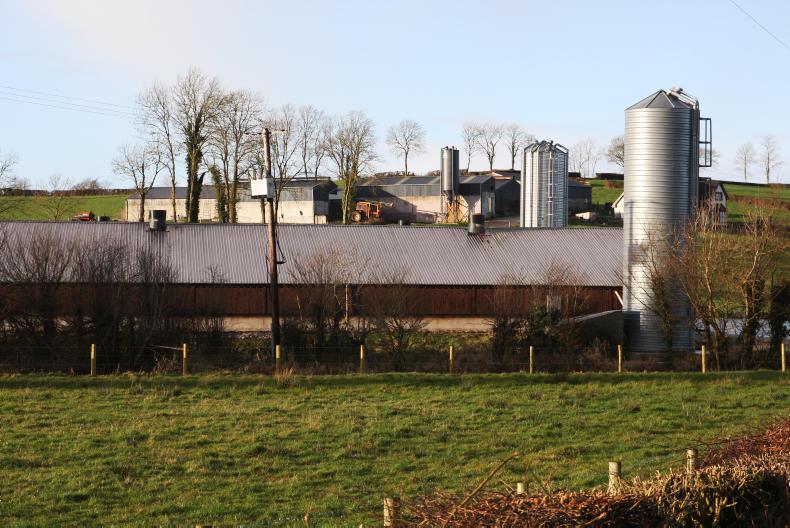
The Department for Environment, Food and Rural Affairs (DEFRA) has updated poultry farmers in Great Britain on the housing regulations brought in last year to minimise the risk of poultry contracting bird flu.
DEFRA has said that the housing regulations currently in place across the whole of Great Britain to segregate poultry from wild birds will remain in place until 28 February 2017.
However, under EU regulations free-range poultry producers lose their free-range status after 12 weeks of housing, meaning UK free-range producers will lose their status afer 28 February.
Loosening of regulations
Therefore DEFRA has said that despite the continued risk of bird flu throughout Europe, it expects to be able to allow some free-range poultry to go outside after 28 February where clear biosecurity arrangements have been put in place. However, in higher risk areas, birds will still need to be housed or kept in fully enclosed netted areas.
“Anyone who plans to allow their birds outdoors from 28 February must take action now to reduce the risk of infection from contaminated outdoor areas (ranges), equipment and other outdoor areas,” a DEFRA statement says.
“They should assess the risk, consulting their private vet as required, and if following that assessment they believe there is a risk that the outdoor areas may be contaminated or that there is a high risk of contact with wild birds, particularly gulls and wild water fowl, they will be expected to continue to house their birds or keep them under netting.”
DEFRA added that these updated measures will provisionally remain in place until the end of April 2017.
Ireland
In Ireland, housing regulations for poultry have been in place since 23 December. This means free-range producers will lose their status after 17 March if the regulations remain in place.
Five cases of the highly infectious H5N8 strain of bird flu have been found in wild birds in Ireland since the end of 2016. No cases have yet been detected in Irish poultry flocks.
The most recent update from the Department of Agriculture on housing regulations is that they will remain in place until further notice.
Since the autumn of 2016, over 550 outbreaks of the subtype H5N8 have been found in poultry and wild birds in most countries across Europe.




SHARING OPTIONS