With yesterday’s farm tragedy in Co Tipperary, the total number of farm deaths has risen to 19 this year.
There was a total of 18 deaths in 2015, down 40% on 2014, when Ireland had 30 deaths on farms. The Health and Safety Authority (HSA) reports that the fatality rate in agriculture is far higher than in any other economic sector in Ireland, with the old and the young being the most vulnerable while on a farm.
Farmers are likely to have more precaution on the farm after they have incurred a serious injury, according to the HSA, but how can farms become safer places?
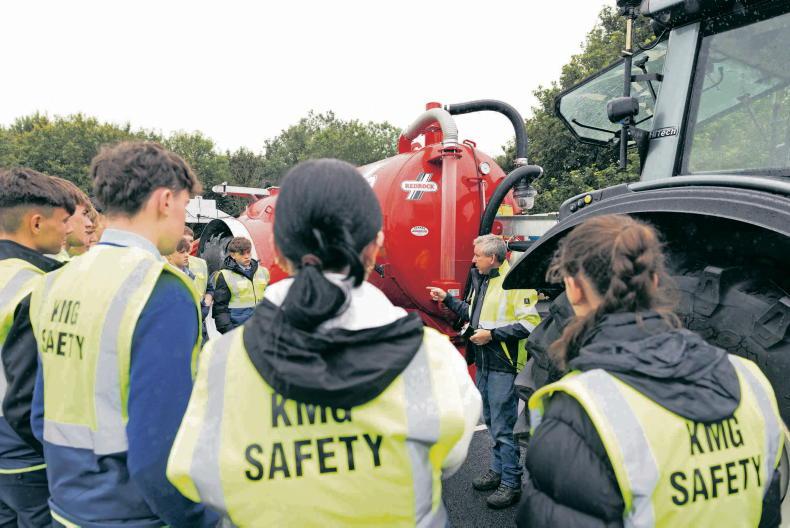
According to Val O’Connor, owner of AEV Health and Safety Limited, the farming sector needs to look towards industrial standards in order to make sure machines are being maintained and the risk of accident lessened.
“If you walk into an ordinary factory, there is a structure in place. People are hired and they must undergo training and induction. Machines are maintained and a procedure is in place. With farming, it is a much different job and it is harder to get these standards,” O’Connor said.
O’Connor says most farm accidents that happen on farms can be prevented: “If a tractor was serviced and had its handbrake fixed, it wouldn’t have crushed the farmer who got out to open the gate.”
While agriculture is a high-danger sector, O’Connor points out there are other jobs which are equally if not more dangerous that don’t have the same amount of accidents.
“Farming is the only industry where you walk out your backdoor and you are in your place of work. How much of that is taken into account when managing older and younger people on the farm?” O’Connor questions.
In 1996, the HSA released a code of practice on how to manage young people on the farm, where it outlined the ages children needed to be when driving a tractor (14).
O’Connor notes that when he gives demonstrations, he often asks what age people begin to drive tractors at.
“Some are 10, 11 and 12. There is often pressure on younger people to drive a tractor when they become big enough, but if you are that young and the tractor gets into difficulty, you won’t be able to control it.
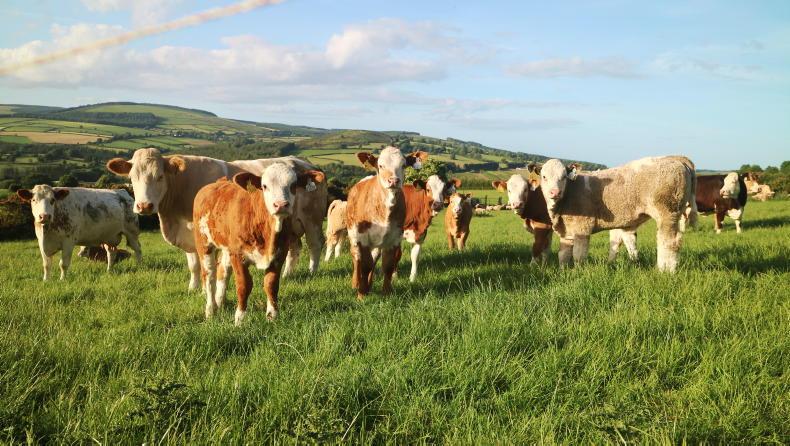
“The older farmer who is 70 and his son is now running the farm is also vulnerable. He might be in a field with a bull, where before he would be able to handle the animal or jump out of its way, but his body no longer functions the same as it once did.”
Read more
Time to banish PTO shafts from farming forever
With yesterday’s farm tragedy in Co Tipperary, the total number of farm deaths has risen to 19 this year.
There was a total of 18 deaths in 2015, down 40% on 2014, when Ireland had 30 deaths on farms. The Health and Safety Authority (HSA) reports that the fatality rate in agriculture is far higher than in any other economic sector in Ireland, with the old and the young being the most vulnerable while on a farm.
Farmers are likely to have more precaution on the farm after they have incurred a serious injury, according to the HSA, but how can farms become safer places?
According to Val O’Connor, owner of AEV Health and Safety Limited, the farming sector needs to look towards industrial standards in order to make sure machines are being maintained and the risk of accident lessened.
“If you walk into an ordinary factory, there is a structure in place. People are hired and they must undergo training and induction. Machines are maintained and a procedure is in place. With farming, it is a much different job and it is harder to get these standards,” O’Connor said.
O’Connor says most farm accidents that happen on farms can be prevented: “If a tractor was serviced and had its handbrake fixed, it wouldn’t have crushed the farmer who got out to open the gate.”
While agriculture is a high-danger sector, O’Connor points out there are other jobs which are equally if not more dangerous that don’t have the same amount of accidents.
“Farming is the only industry where you walk out your backdoor and you are in your place of work. How much of that is taken into account when managing older and younger people on the farm?” O’Connor questions.
In 1996, the HSA released a code of practice on how to manage young people on the farm, where it outlined the ages children needed to be when driving a tractor (14).
O’Connor notes that when he gives demonstrations, he often asks what age people begin to drive tractors at.
“Some are 10, 11 and 12. There is often pressure on younger people to drive a tractor when they become big enough, but if you are that young and the tractor gets into difficulty, you won’t be able to control it.
“The older farmer who is 70 and his son is now running the farm is also vulnerable. He might be in a field with a bull, where before he would be able to handle the animal or jump out of its way, but his body no longer functions the same as it once did.”
Read more
Time to banish PTO shafts from farming forever
SHARING OPTIONS