In the day after we woke up to the news that the UK would cease to be a member of the EU, the reality is beginning to sink in. Even though opinion polls suggested that it would be a close call, the reality is that most people didn’t really think it would happen with even one of the leaders of the leave campaign seeming to concede defeat the polling stations closed on Thursday night.
Anyway, it has happened so what we need to now do is consider what this outcome means for farmers on the island of Ireland and there will be different implications either side of the border.
Short term
The most important point is to realise that apart from currency volatility, there will be no impact for at least two years from October and it could possible take even longer to negotiate the exit. That means any impact will be on prime cattle not yet born.
As for currency volatility, that is the way it has been since the start of this year with the strength of sterling varying with the latest opinion polls published. The stronger sterling is against the euro, the easier it is for farmers and processors south of the border to do business, particularly in the UK. Whereas for farmers in Northern Ireland, the weaker sterling is the better for their exports. The wild fluctuations in recent weeks may settle in the days ahead but with rates at present levels for a sustained period beef sales into the UK would be difficult for Irish exporters.
The IFA was forceful in the statement calling on processors to pass on costs of currency changes to UK purchasers and not be cutting the price paid to Irish farmers.
Meat Industry Ireland (MII), the trade association for meat factories, has said the strong business-to-business relationship between Irish suppliers and UK customers means business will continue and aside from the current currency issue for them, they are also concerned about obstacles to trade after the withdrawal.
Longer-term issues
After that, everything else is long-term. People who traded between both jurisdictions on the island of Ireland before the single European market came into being in 1992 will recall the procedure that had to be complied with crossing the border. It involved veterinary certification and customs clearance, all of which was time consuming and cumbersome.
The negotiation of the exit arrangement needs to do whatever is necessary to avoid a return to this cumbersome process. Surely just as an electronic solution was found to solving the traffic caused by the M50 tolls, a modern electronic solution can be found to moving agri-food produce back and forth across the border. If there is a will, logistics should be able to take care of the rest.
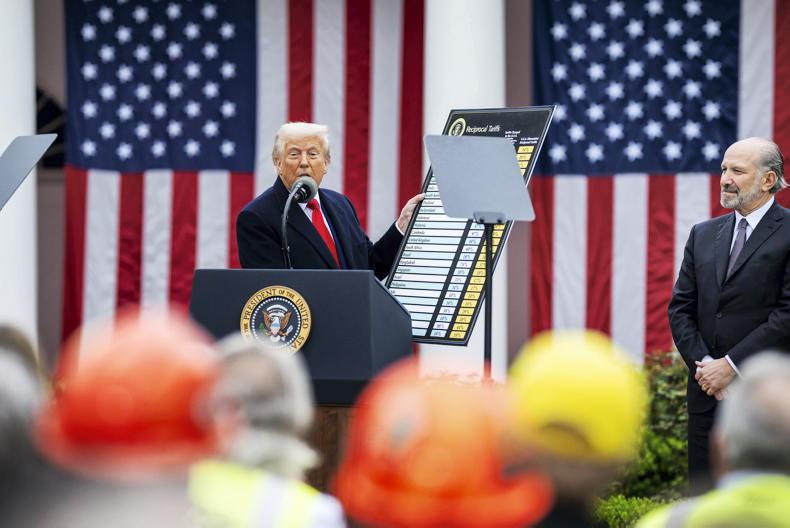
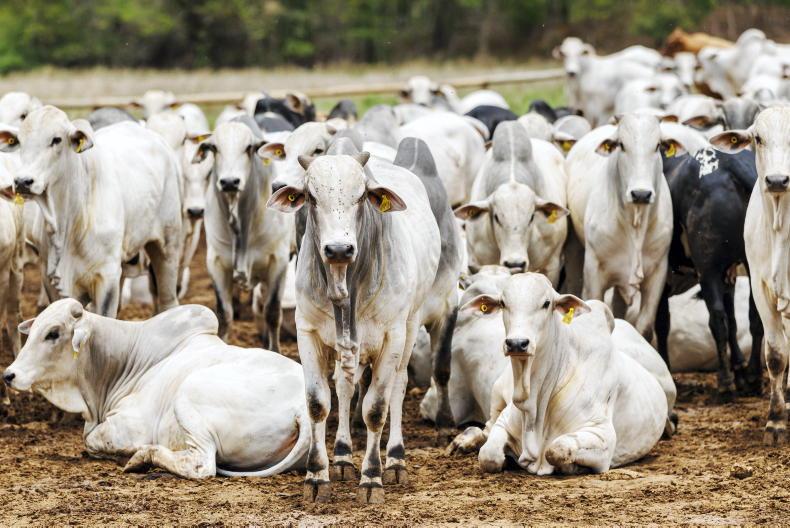
If we can be confident a way can be found to continue trade with the absolute minimum of disruption, we can do little to reduce our exposure to the UK negotiating trade deals with either the US or Mercosur. These deals would involve the UK accepting beef into the UK in return for the UK getting access to their markets for financial services and industrial goods. This would do serious damage potentially to Irish beef exports to the UK as both the US and Mercosur could supply hind-quarter beef in particular much cheaper than us.
Farmers in Northern Ireland would be somewhat better protected as the Red Tractor branding for UK beef and the loyalty of UK supermarkets and consumers to this brand would give a degree of protection to its value. It is much more likely that Irish beef would be displaced as the second preferred supplier of choice.
As for lamb, as Patrick Donohoe has reported on his travels in New Zealand, there is an expectation there that they would “eat our dinner” when it comes to sending lambs to the UK post-Brexit. Fortunately, Ireland has strong lamb business in France and Belgium and we are less dependent on the UK than we are for beef.
Also the UK is the biggest exporter of lamb in the current EU so there should be some negotiation potential in an exit arrangement.
Budget
There is also of course the issue of the UK's budget contribution to the EU, and how farming will be supported in Britain and Northern Ireland after the exit. Many farmers in NI are confident that they will get a satisfactory level of support from Westminster post-exit, and with the UK saving up to £10bn from withdrawal, there certainly will be extra money in the budget. The EU will miss this resource also as with 40% of the total EU budget spent on CAP it will in future be around €5bn less which will impact on farm support unless the EU can be persuaded by the farm lobby to make this up from elsewhere in the budget.
Read more
Full coverage: Brexit
In the day after we woke up to the news that the UK would cease to be a member of the EU, the reality is beginning to sink in. Even though opinion polls suggested that it would be a close call, the reality is that most people didn’t really think it would happen with even one of the leaders of the leave campaign seeming to concede defeat the polling stations closed on Thursday night.
Anyway, it has happened so what we need to now do is consider what this outcome means for farmers on the island of Ireland and there will be different implications either side of the border.
Short term
The most important point is to realise that apart from currency volatility, there will be no impact for at least two years from October and it could possible take even longer to negotiate the exit. That means any impact will be on prime cattle not yet born.
As for currency volatility, that is the way it has been since the start of this year with the strength of sterling varying with the latest opinion polls published. The stronger sterling is against the euro, the easier it is for farmers and processors south of the border to do business, particularly in the UK. Whereas for farmers in Northern Ireland, the weaker sterling is the better for their exports. The wild fluctuations in recent weeks may settle in the days ahead but with rates at present levels for a sustained period beef sales into the UK would be difficult for Irish exporters.
The IFA was forceful in the statement calling on processors to pass on costs of currency changes to UK purchasers and not be cutting the price paid to Irish farmers.
Meat Industry Ireland (MII), the trade association for meat factories, has said the strong business-to-business relationship between Irish suppliers and UK customers means business will continue and aside from the current currency issue for them, they are also concerned about obstacles to trade after the withdrawal.
Longer-term issues
After that, everything else is long-term. People who traded between both jurisdictions on the island of Ireland before the single European market came into being in 1992 will recall the procedure that had to be complied with crossing the border. It involved veterinary certification and customs clearance, all of which was time consuming and cumbersome.
The negotiation of the exit arrangement needs to do whatever is necessary to avoid a return to this cumbersome process. Surely just as an electronic solution was found to solving the traffic caused by the M50 tolls, a modern electronic solution can be found to moving agri-food produce back and forth across the border. If there is a will, logistics should be able to take care of the rest.
If we can be confident a way can be found to continue trade with the absolute minimum of disruption, we can do little to reduce our exposure to the UK negotiating trade deals with either the US or Mercosur. These deals would involve the UK accepting beef into the UK in return for the UK getting access to their markets for financial services and industrial goods. This would do serious damage potentially to Irish beef exports to the UK as both the US and Mercosur could supply hind-quarter beef in particular much cheaper than us.
Farmers in Northern Ireland would be somewhat better protected as the Red Tractor branding for UK beef and the loyalty of UK supermarkets and consumers to this brand would give a degree of protection to its value. It is much more likely that Irish beef would be displaced as the second preferred supplier of choice.
As for lamb, as Patrick Donohoe has reported on his travels in New Zealand, there is an expectation there that they would “eat our dinner” when it comes to sending lambs to the UK post-Brexit. Fortunately, Ireland has strong lamb business in France and Belgium and we are less dependent on the UK than we are for beef.
Also the UK is the biggest exporter of lamb in the current EU so there should be some negotiation potential in an exit arrangement.
Budget
There is also of course the issue of the UK's budget contribution to the EU, and how farming will be supported in Britain and Northern Ireland after the exit. Many farmers in NI are confident that they will get a satisfactory level of support from Westminster post-exit, and with the UK saving up to £10bn from withdrawal, there certainly will be extra money in the budget. The EU will miss this resource also as with 40% of the total EU budget spent on CAP it will in future be around €5bn less which will impact on farm support unless the EU can be persuaded by the farm lobby to make this up from elsewhere in the budget.
Read more
Full coverage: Brexit






SHARING OPTIONS