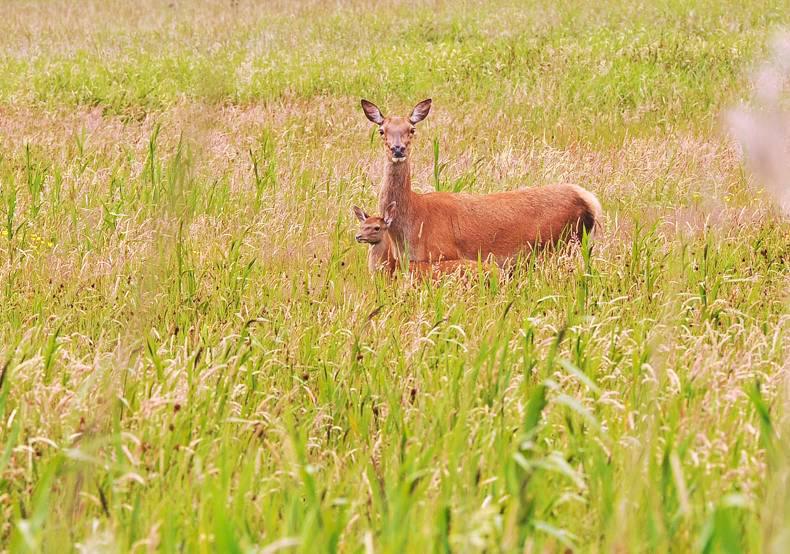
The group argues that badger culling has not resulted in the elimination of the disease in cattle and therefore deer should not be included in the eradication programme.
A recent study carried out the Irish Farmers Association (IFA) and the Department of Agriculture showed that levels of TB in wild deer are at 16%. However, the Irish Wildlife Trust maintains that all mammals carry TB and cattle-to-cattle transmission is still the biggest source of infection.
“The section on bio-security on the Department of Agriculture’s website mentions nothing of the importance of simple farm measures such as good housekeeping or maintaining stock-proof hedges to minimise contact with neighbouring herds," said IWT Campaigns Officer, Pádraic Fogarty.
"Badgers have paid a high price for being the TB scapegoat; over 100,000 have been shot and snared and the population is shrinking as a result. Coveney’s mantra that the wildlife is responsible, even after 30 years of the same failed policy, shows the level of group-think in his Department, not to mention industry influence."
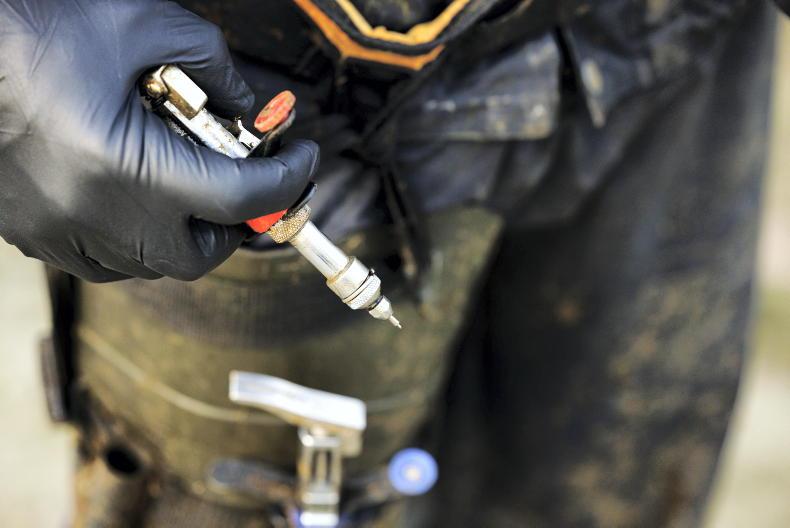
Last week a study by the Universities of Bristol and Cambridge concluded that targeting badger-to-badger BTB transmission is less effective than targeting badger-to-cattle and cattle-to-cattle transmission. However, Minister Simon Coveney is hoping vaccinate animals instead of culling.
The TB eradication programme has resulted in a fall in reactors over the years, despite a slight rise in 2014. In 2005, 25,884 cattle tested positive for bovine TB. Ten years on, the figure is 16,145 – down 38%.