The record floods over the winter have disappeared from national headlines but many farmers are still dealing with high water levels and waterlogged land on a daily basis.
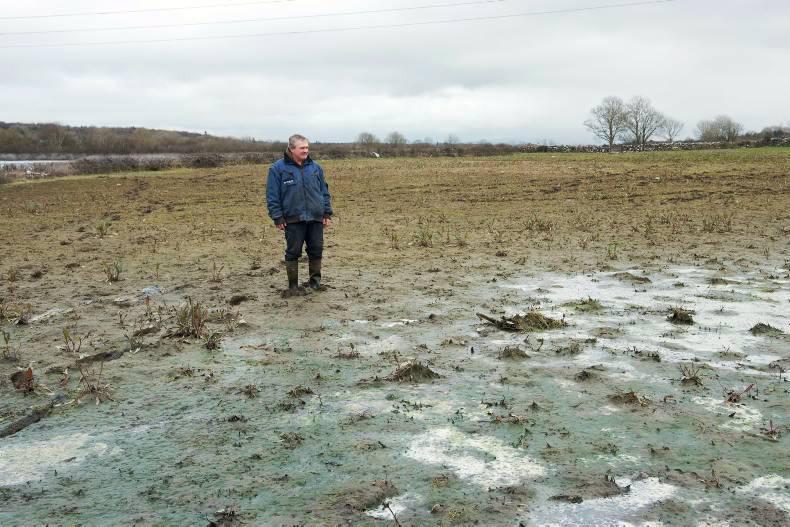
Micheal Flaherty of Tierneevin, Gort. Levels are still receding and while his cows have been out for a while, Flaherty has only seven out of 22 paddocks available to graze as the rest are flooded. Photo:Andrew Downes
ADVERTISEMENT
“It was like as if there was an atomic bomb with what is left now,” said Michael Flaherty, describing his fields where water levels have dropped. “It will be at least the end of July before things are back to normal, it’s going to cost me an absolute fortune.”
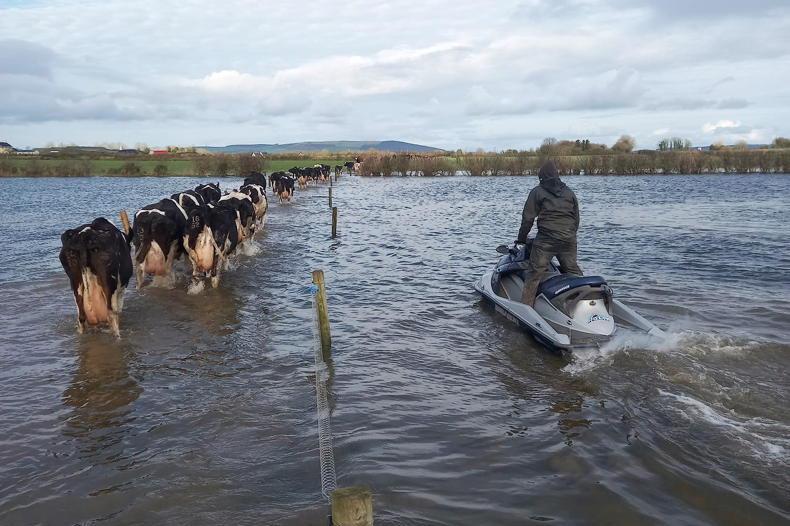
Flaherty is a dairy farmer from Gort, Co Galway. He said that his farm was effectively “on an island really” at the height of the floods, but there is a lot of water remaining even at this stage.
Levels are still receding and while his cows have been out for a while, Flaherty has only seven out of 22 paddocks available to graze as the rest are flooded.
ADVERTISEMENT
Silage pit
The bottom half of his silage pit “had to be thrown out. I’ll get something for the silage but nothing for reseeding.
“It’s an awful strain mentally. We’re four months looking at it now. It would drive you mad and with the price of milk too,” he said.
IFA Galway county chair Pat Murphy told the Irish Farmers Journal that the main problem is a lack of grass growth.
The water was “fast to rise but slow to go away. Water has receded significantly in some areas, but it is the length of time out of action and the cost of reseeding that’s the problem,” Murphy said.
Register for free to read this story and our free stories.
This content is available to digital subscribers and loyalty code users only. Sign in to your account, use the code or subscribe to get unlimited access.
The reader loyalty code gives you full access to the site from when you enter it until the following Wednesday at 9pm. Find your unique code on the back page of Irish Country Living every week.
CODE ACCEPTED
You have full access to the site until next Wednesday at 9pm.
CODE NOT VALID
Please try again or contact support.
“It was like as if there was an atomic bomb with what is left now,” said Michael Flaherty, describing his fields where water levels have dropped. “It will be at least the end of July before things are back to normal, it’s going to cost me an absolute fortune.”
Flaherty is a dairy farmer from Gort, Co Galway. He said that his farm was effectively “on an island really” at the height of the floods, but there is a lot of water remaining even at this stage.
Levels are still receding and while his cows have been out for a while, Flaherty has only seven out of 22 paddocks available to graze as the rest are flooded.
Silage pit
The bottom half of his silage pit “had to be thrown out. I’ll get something for the silage but nothing for reseeding.
“It’s an awful strain mentally. We’re four months looking at it now. It would drive you mad and with the price of milk too,” he said.
IFA Galway county chair Pat Murphy told the Irish Farmers Journal that the main problem is a lack of grass growth.
The water was “fast to rise but slow to go away. Water has receded significantly in some areas, but it is the length of time out of action and the cost of reseeding that’s the problem,” Murphy said.
If you would like to speak to a member of our team, please call us on 01-4199525.
Link sent to your email address
We have sent an email to your address. Please click on the link in this email to reset your password. If you can't find it in your inbox, please check your spam folder. If you can't find the email, please call us on 01-4199525.
ENTER YOUR LOYALTY CODE:
The reader loyalty code gives you full access to the site from when you enter it until the following Wednesday at 9pm. Find your unique code on the back page of Irish Country Living every week.







SHARING OPTIONS