


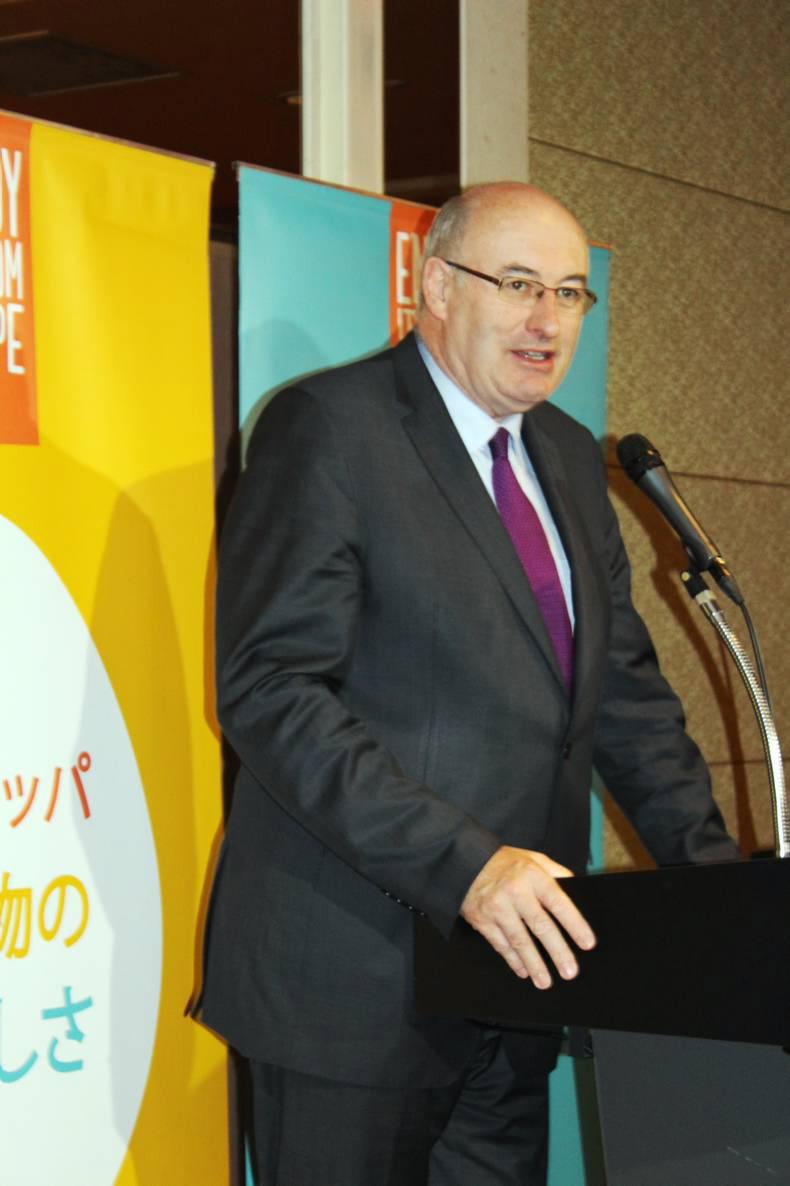
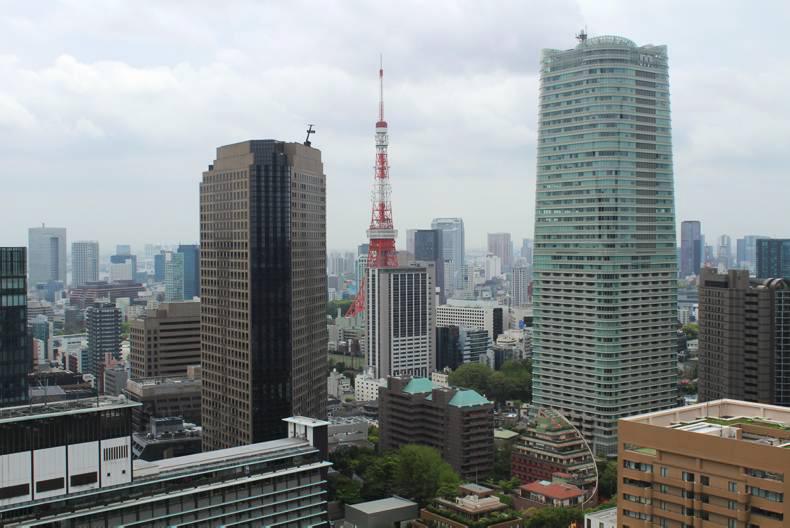
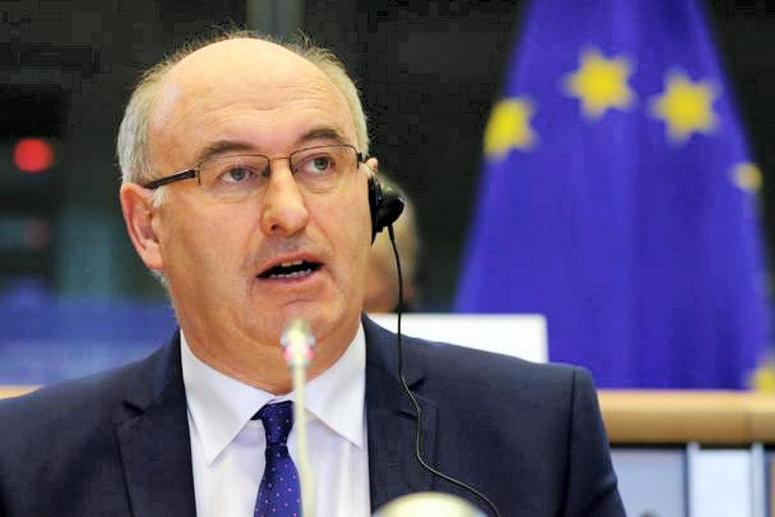
Commissioner Hogan’s business delegation from Europe is in Tokyo for the final leg of the week-long visit to China and Japan. Despite Japan being the third largest importer of beef in the world and a major importer of dairy products from Australia, New Zealand and some from Europe, it is unlikely to offer a major volume market in the immediate future.
Part of the reason is that it is such an established market for existing suppliers, being the number one export destination for US beef and Australian and New Zealand dairy produce. There is potential for EU pigmeat and dairy – cheese in particular. Ornua has product in the Japanese market and it is a target to develop further alongside China.
Beef exports are limited to offal, which according to CSO figures, puts Irish exports to Japan at 155t – worth €755m for the first two months of this year compared with 125t at €330m for the first two months in 2015.
Market size
Japan is the third largest economy in the world after the US and China. With over half of its land comprising mountains and huge areas of forest, just 12.6% of the total land mass is arable land.
Agricultural production and farming is highly valued by Japanese society and has sustained levels of government support to such an extent that Japan is one of the most protected agricultural markets in the world. While there are moderate tariffs in commodities that the government is prepared to allow, others such as butter attract regular tariffs of 200%. Occasionally, the butter market is relaxed through government tariffs but shops are often without stock.
Trade agreements
Protectionism of its agriculture is a reason why China may be seen as having greater potential. This protectionism is even reflected in the comprehensive trade agreement (TPP) between the US and Pacific rim countries, which allows for tariff reductions on some meats to be deferred, taking between 16 and 21 years to eliminate. The EU and Japan are currently in discussions on a free trade treaty but with the TPP example just referred to, we might conclude that there isn’t much point.
Speaking to the Irish Farmers Journal, Commissioner Hogan took a different view. He says that unlike the US in the TPP discussions, Europe is in an offensive position regarding agriculture in discussions with Japan. In other words, the Japanese are keen for a deal with Europe to sell their cars in the EU and, in turn, may be more willing to discuss agricultural produce on more favourable terms than they did with the US in TPP. It could be described as Mercosur in reverse.
Business delegation activity in Japan
The delegation began with an introductory briefing on doing business in Japan. It was organised by the EU team on the ground and delivered by established businesses in Japan, with experience of importing from the EU and able to advise potential traders on what is needed. The first day concluded with the more leisurely pursuit of launching a Tastes of Europe restaurant week in Tokyo, similar to what was taking place in Beijing.
Friday started with a seminar on EU products for Japanese businesses with a series of sector businesses describing what Europe could produce and deliver in that sector. The dairy segment was delivered by Enda Shine, who is the technical sales manager of Ornua, and while he highlighted the merits of the EU dairy industry, many of his examples and experiences reflected the Irish dairy industry.
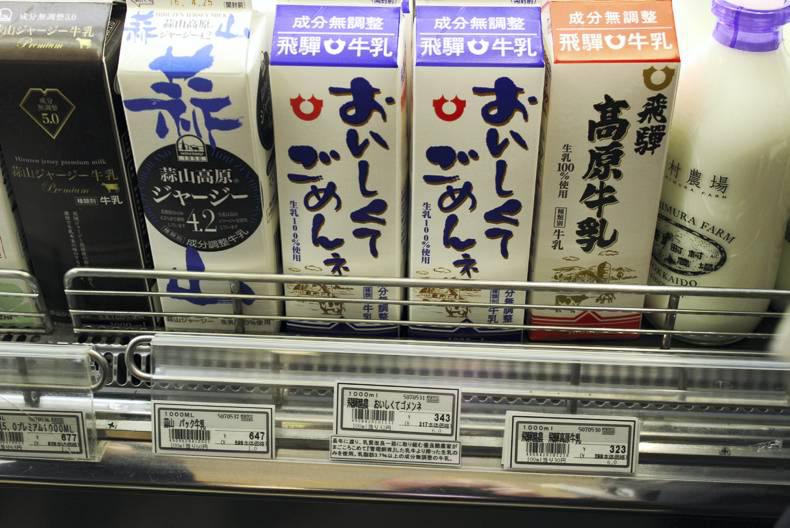
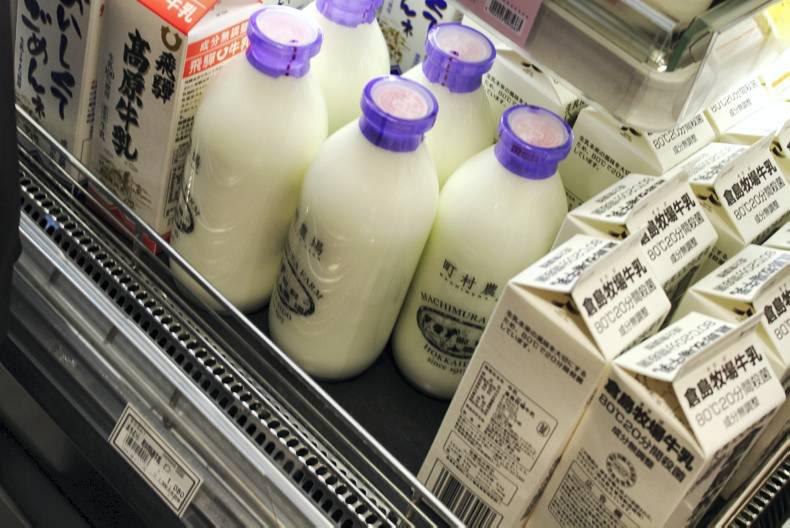
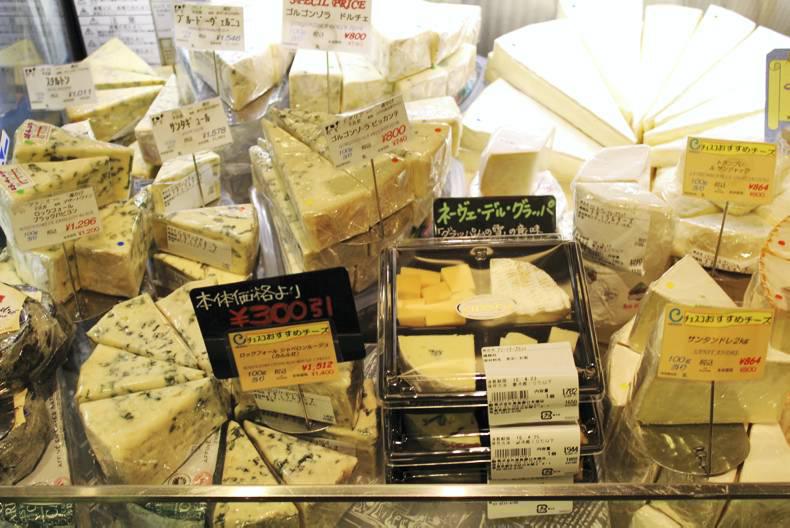
The Commissioner hosted a lunch for the EU business delegates and Japanese counterparts who, as well as participating in the seminar, engaged with the companies in what could be described as a speed-dating event. Acquaintances were made and business cards were exchanged with initial contacts to be followed up in the days, weeks and months ahead. Food businesses are always looking at how produce similar to theirs is presented at retail level, therefore a period spent looking at the retail food offering in Tokyo was next on the agenda.
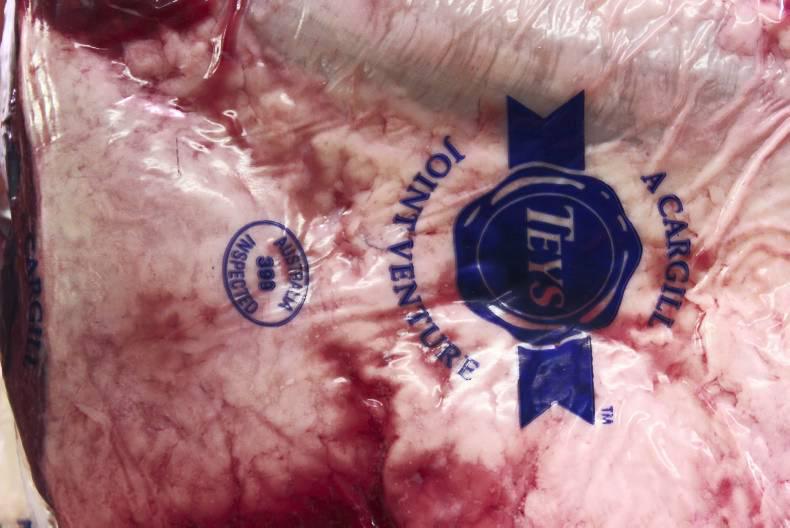
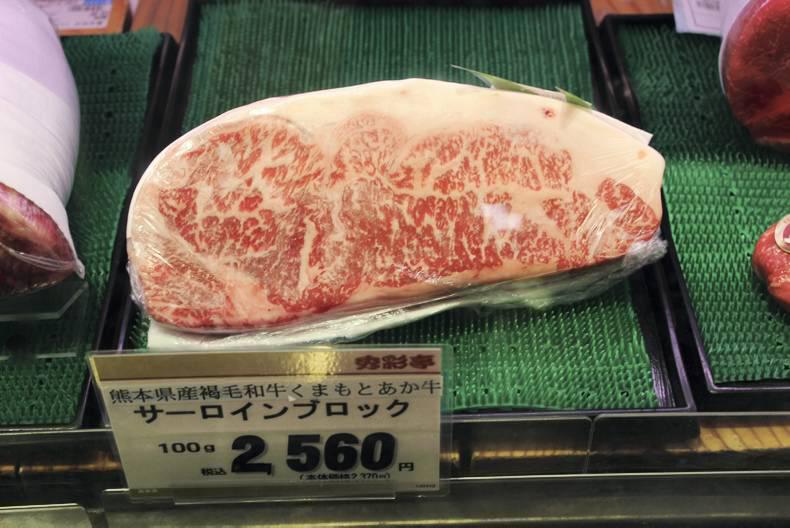
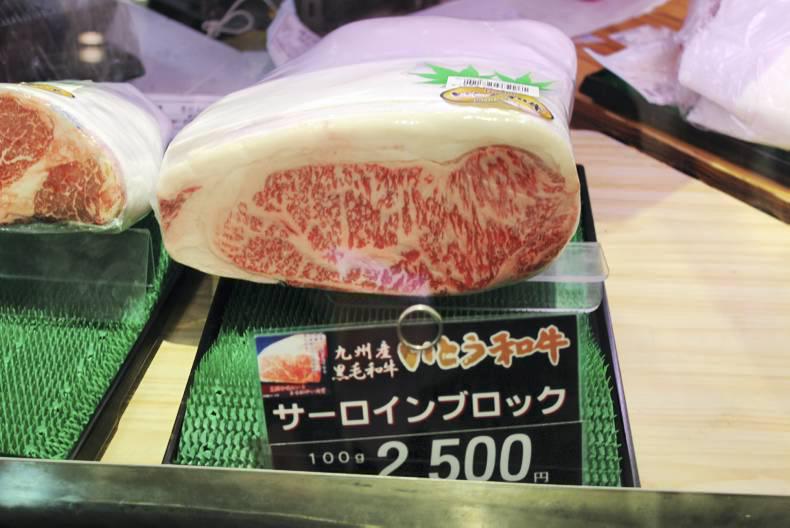
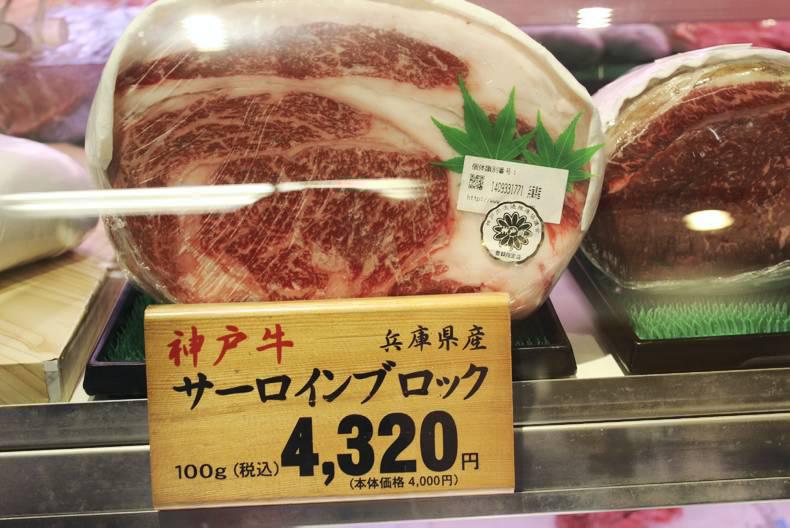
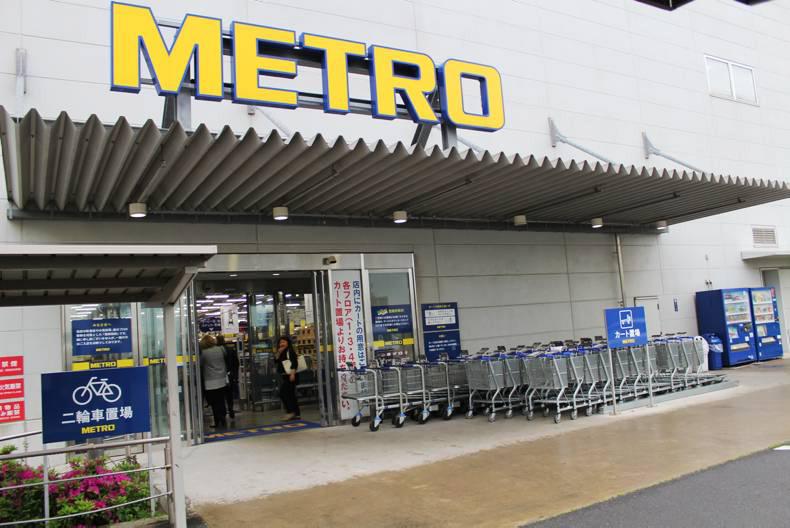
Wagyu beef was an eye-opener for people not familiar with it as was the price seen in some of the pictures. When a beef cut is priced per 100g, you know it is a high-value product. The beef offering was dominated by domestic Japanese production, supplemented, particularly in Metro by US, New Zealand and Australian beef. Cheese featured numerous continental Europe suppliers, though only one example of Irish was found.
The final formal part of the trip is a visit to Yokohama tomorrow morning, followed by a final meeting with the Commissioner. For his part, he concludes today by meeting the Japanese agriculture minister and then heads on to the G7 agriculture ministers’ meeting in Niigata this weekend.




SHARING OPTIONS