



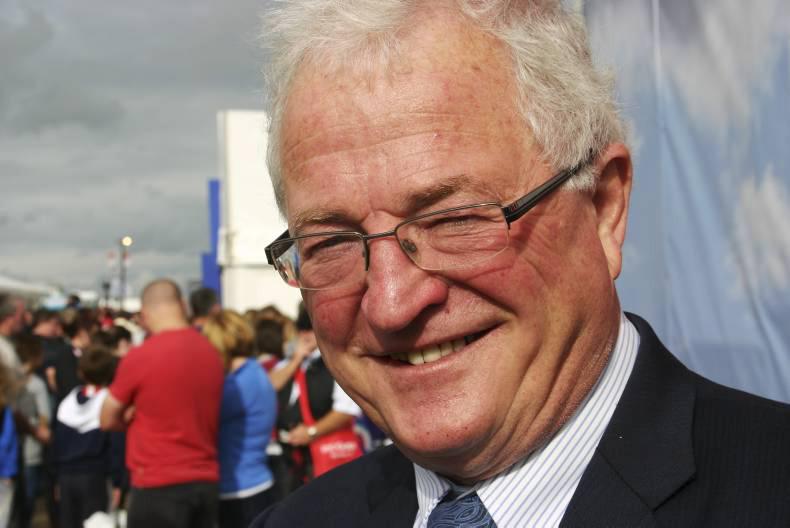
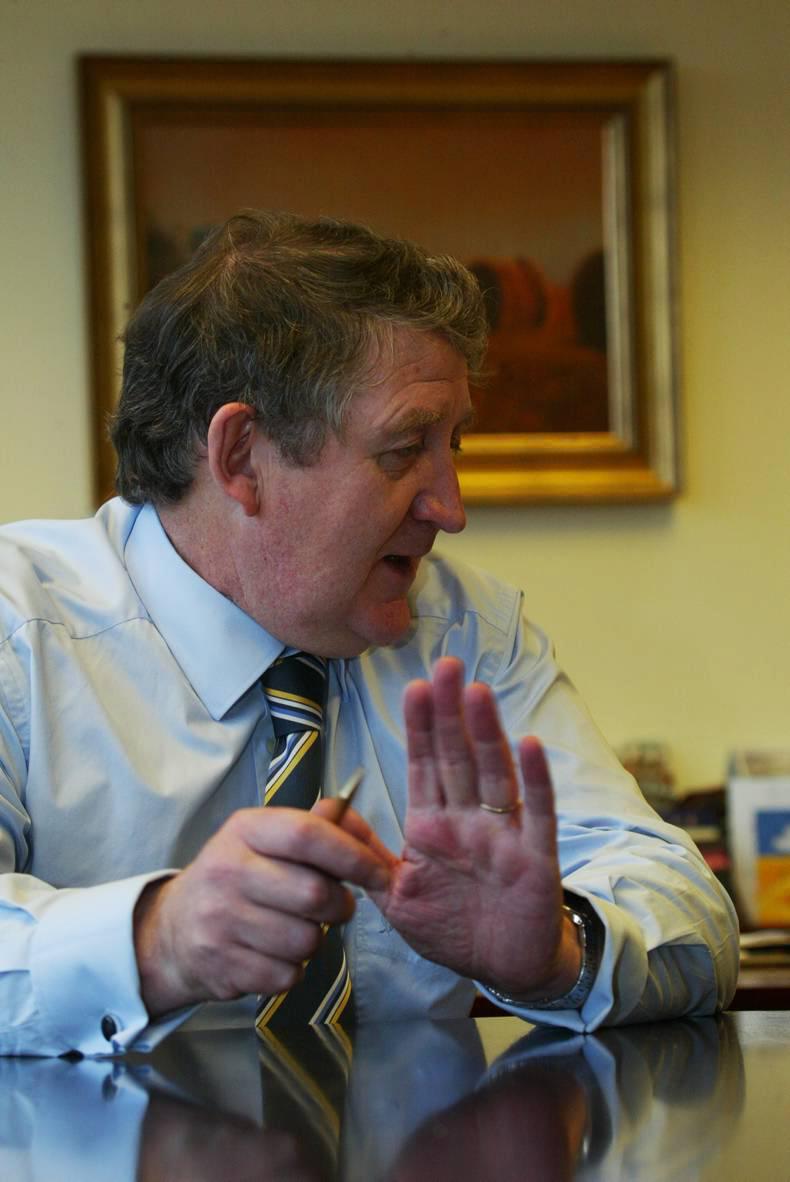
From an Irish point of view, milk quotas were undoubtedly not the best solution to the problem, says former secretary general of the Department of Agriculture, Michael Dowling.
“But there were two factors to consider. First, the alternative would have been a very substantial cut in price, perhaps by 20-25%. After all, the markets couldn’t take what was being produced. Maybe Ireland could have survived such a cut better than others, but from the farmers’ and the political point of view it would not have been acceptable.”
Secondly, the push for quotas came from Germany.
“They were strongly opposed to price cuts and they were one of the two dominant milk producers,” says Dowling.
“We should remember that world markets then were very different to what they are now. There was no question of rising demand. The then EEC market was grossly oversupplied. It’s very different now. There’s expanding demand across Asia, Africa and parts of South America.”
Michael Dowling was head of the Department’s milk division when quotas were being introduced. He was involved in all the technical negotiations.
“There wasn’t huge opposition to quotas across the EEC. There was jockeying around to get the best deal. Most member states had to cut production back to the levels of two years earlier. The Dutch had to cut by about 7%. The Italians got a deal under which they didn’t have to cut production. We got a deal to increase production by about 4.5%. Other member states had a longer period of EEC membership in which to grow their industries.”
Creature of its time
The milk quota regime was a creature of its time, says John Malone, former secretary general of the Department of Agriculture.
“At the time the arguments for bringing in quotas were very strong. There was soaring production, we didn’t have the new markets that have emerged since. We didn’t have the new uses we have now for ingredients and whey powders. There was a huge build up of intervention stocks of butter and skim milk powder – over 1m tonnes of both.”
At one point there wasn’t enough storage here for skim powder and John Malone travelled to the Netherlands to arrange storage there for the Irish product. He was in the Department’s press office when quotas were introduced.
“The biggest issue for Ireland was not that quotas were being brought in. Instead, we fought for a special deal – additional quota. It was a national effort, from the Taoiseach down. The Department effort was led by secretary general Jimmy O’Mahony and by Michael Dowling. I recall the then EU Farm Commissioner, Frans Andriessen, saying he didn’t want quotas to be traded or to have a value. But they did go on to have value. It all became very complex. There were legal challenges. A quota section was established in the Department. Likewise, the co-ops had dedicated staff. So a lot of expertise was built up. The greatest difficulties revolved around hardship and special cases, and allocation from National Reserve.”
At that time the Irish dairy industry was a “heavy user” of intervention, says Malone.
“Intervention rules and price were central.”
So milk quotas were only part of a wider regime.
“Interestingly, in the late 1990s, the Department had a discussion with the industry on whether Ireland should be for or against the continuation of quotas. A minority of member states favoured abolition. Caution prevailed – we didn’t want to go there. We also analysed what would be the most suitable start date for the quota year. Many people thought it should run from January to December. But after everything was considered, it was concluded that 1 April was, in fact, best, despite what we initially thought.”
At this point, a majority of people in the sector will be glad to see the back of the quota regime, he says.
“With the benefit of hindsight, quotas should have been reconsidered once the support system changed. Quotas stayed longer than many of us would have expected, but they helped maintain milk prices and allowed a generation to earn a living and support and educate their families.”


SHARING OPTIONS