Parasites remain the number one cause of mortality in sheep in Ireland. The faecal egg count reduction test (FECRT) is used to evaluate the effectiveness of a worming programme. If the wormer is effective then we see a reduction of faecal egg counts of >95% post dosing. As an option in the Sheep Technology Adoption Programme (STAP), almost 2,000 farmers completed a FECRT in 2013. Alarmingly, the worming failure rate was 49%. Worm control is one of the more basic husbandry tasks on Irish farms and a 49% failure rate represents a serious issue.
There is resistance recorded in all three commonly used classes of wormer in Ireland, so it is a reality that must be managed. This can be achieved with this eight-point plan using the Sustainable Control of Parasites (SCOP) principles.
Devise an appropriate control strategy with your vet for sustainable control of worms on your farm.
Avoid introducing resistant worms with bought-in sheep. Using a quarantine dose, either by dosing with two actives or using one of the new anthelmintic groups available on prescription, will prevent contamination of your pasture. Bought-in sheep should be kept from your own stock for 48 hours after dosing.
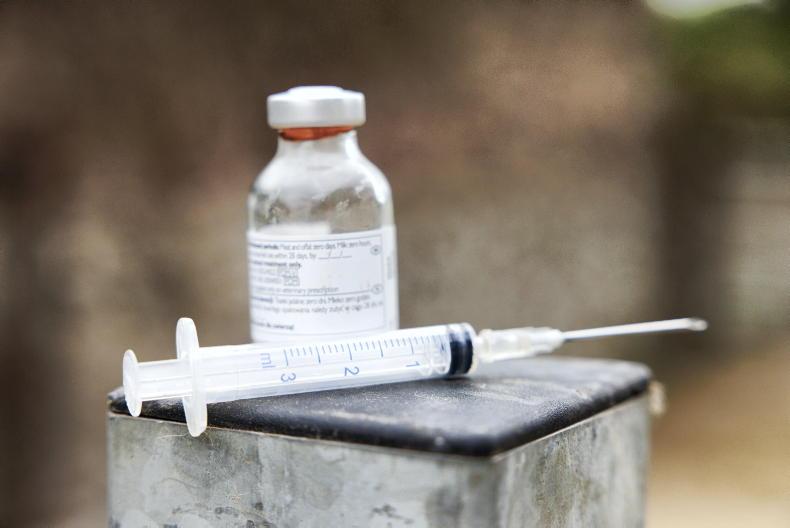
Administer wormers effectively. Proper restraint will help to ensure that the dose is delivered to the oesophagus rather than the mouth.
Use FEC to identify when anthelmintics are necessary rather than over-using products.
Use the appropriate wormer for the job.
An FECRT is useful to monitor the effectiveness of worming strategies.
Changing from dose and move, to move and dose later, or dosing a proportion of the flock, slows down the development of resistance.
Reduce dependence on anthelmintics by rotational grazing and post-grazing sward management, as well as breeding from sheep that exhibit a natural resistance to worm infestations.
Conor Geraghty works at Geraghty & Neary Veterinary Surgeons, Mountbellew, Co Galway – part of XLVets. XLVets is a group of progressive practices, working together to achieve a better future for agriculture in Ireland.
ADVERTISEMENT
Register for free to read this story and our free stories.
This content is available to digital subscribers and loyalty code users only. Sign in to your account, use the code or subscribe to get unlimited access.
The reader loyalty code gives you full access to the site from when you enter it until the following Wednesday at 9pm. Find your unique code on the back page of Irish Country Living every week.
CODE ACCEPTED
You have full access to the site until next Wednesday at 9pm.
CODE NOT VALID
Please try again or contact support.
Parasites remain the number one cause of mortality in sheep in Ireland. The faecal egg count reduction test (FECRT) is used to evaluate the effectiveness of a worming programme. If the wormer is effective then we see a reduction of faecal egg counts of >95% post dosing. As an option in the Sheep Technology Adoption Programme (STAP), almost 2,000 farmers completed a FECRT in 2013. Alarmingly, the worming failure rate was 49%. Worm control is one of the more basic husbandry tasks on Irish farms and a 49% failure rate represents a serious issue.
There is resistance recorded in all three commonly used classes of wormer in Ireland, so it is a reality that must be managed. This can be achieved with this eight-point plan using the Sustainable Control of Parasites (SCOP) principles.
Devise an appropriate control strategy with your vet for sustainable control of worms on your farm.
Avoid introducing resistant worms with bought-in sheep. Using a quarantine dose, either by dosing with two actives or using one of the new anthelmintic groups available on prescription, will prevent contamination of your pasture. Bought-in sheep should be kept from your own stock for 48 hours after dosing.
Administer wormers effectively. Proper restraint will help to ensure that the dose is delivered to the oesophagus rather than the mouth.
Use FEC to identify when anthelmintics are necessary rather than over-using products.
Use the appropriate wormer for the job.
An FECRT is useful to monitor the effectiveness of worming strategies.
Changing from dose and move, to move and dose later, or dosing a proportion of the flock, slows down the development of resistance.
Reduce dependence on anthelmintics by rotational grazing and post-grazing sward management, as well as breeding from sheep that exhibit a natural resistance to worm infestations.
Conor Geraghty works at Geraghty & Neary Veterinary Surgeons, Mountbellew, Co Galway – part of XLVets. XLVets is a group of progressive practices, working together to achieve a better future for agriculture in Ireland.
If you would like to speak to a member of our team, please call us on 01-4199525.
Link sent to your email address
We have sent an email to your address. Please click on the link in this email to reset your password. If you can't find it in your inbox, please check your spam folder. If you can't find the email, please call us on 01-4199525.
ENTER YOUR LOYALTY CODE:
The reader loyalty code gives you full access to the site from when you enter it until the following Wednesday at 9pm. Find your unique code on the back page of Irish Country Living every week.









SHARING OPTIONS