


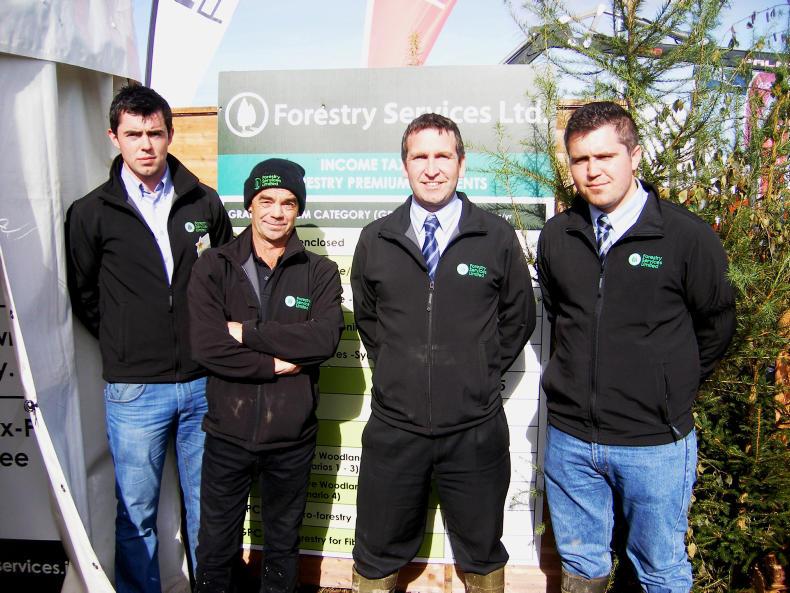
Issues such as land availability, speeding up the application process, availability of contractors and planning all featured. The following is a cross section of comments received.
Land availability
‘‘There is a need to target all available land suitable for afforestation without negatively affecting agriculture. The recently introduced vegetation scoring system on unenclosed sites has the potential to increase our annual planting programme significantly. However this will only be achieved if the Forest Service and inspectorate acknowledge the vital role this land type has to play in at last achieving a respectable afforestation programme. At the moment we know that one unenclosed site has been planted in West Cork where a grant and premium category (GPC)1 site was upgraded to GPC3 through the scoring system. Otherwise this site would never have been planted. The need to include these perfectly productive sites into our annual planting programme is an absolute must.’’
‘‘Continued work is required to promote the benefits of forestry not just from an economic perspective but also for the positive array of ecosystem services provided by well-planned forest projects. We need to get the message out that in addition to economic benefits, today’s forests have species biodiversity and open spaces including set back from water courses and other features. Land constraints, particularly environmental constraints need to loosen to facilitate forest establishment.’’
Contractors and planting approvals
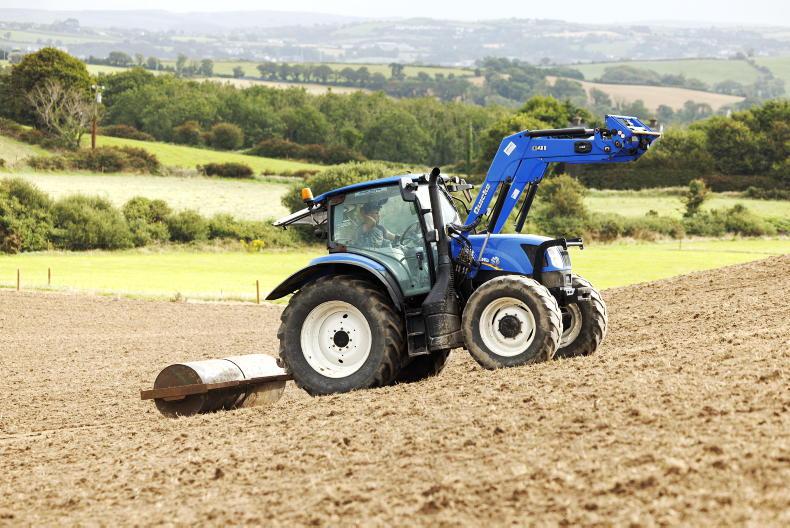
‘‘Maintaining momentum especially in relation to the availability of contractors to complete ground cultivation as the pick-up in the building industry is leading to shortages in the availability of competent machinery contractors. A key to this is work planning which includes securing planting approval quickly in order to complete planting in the optimum time. This approach also keeps a consistent flow of work in front of contractors.’’
‘‘There are two major challenges for the new planting season. First, the length of time to get land technically approved from initial contact with landowner to technical approval is too long due to extra requests for information and consultant reports,. During this long period, many landowners can become disengaged and frustrated. Second, is the challenge to ensure consistent availability of skilled forest contractors/workforce for initial afforestation and maintenance works.’’
‘‘There is a need for more meaningful communication between foresters and the Forest Service to reduce the administration and delayed payments associated with the Afforestation Scheme. Also, the need for the Forest Service to better look after their customers who have already planted. Penalties arising from the digitisation of maps and changing rules for mapping, along with premium payments being held up on older plantations are causing hardship and resentment.’’
Short and long-term viability
‘‘It is vitally important that the contribution of a new forest enterprise on a farm is maximised by being well planned in the context of the overall farm enterprise and in relation to the various Department schemes. Farmers should take advice before making the decision and Teagasc can help. Good planning will ensure that the forestry investment will contribute to both short-term and long-term farm viability.’’
‘‘The biggest challenge to afforestation is that forestry is not yet in the Irish mindset compared to other farming activities. If farmers could better understand the positive financial impact of managing forests as part of their farm and recognise it as a great asset, there would be a much greater take up.’’
Wood mobilisation
‘‘The Irish timber processing sector is capable of significantly increasing production, so it is essential that a viable afforestation programme is maintained and that timber from productive forests is mobilised to add value to the forestry and forest products sector.’’



SHARING OPTIONS