



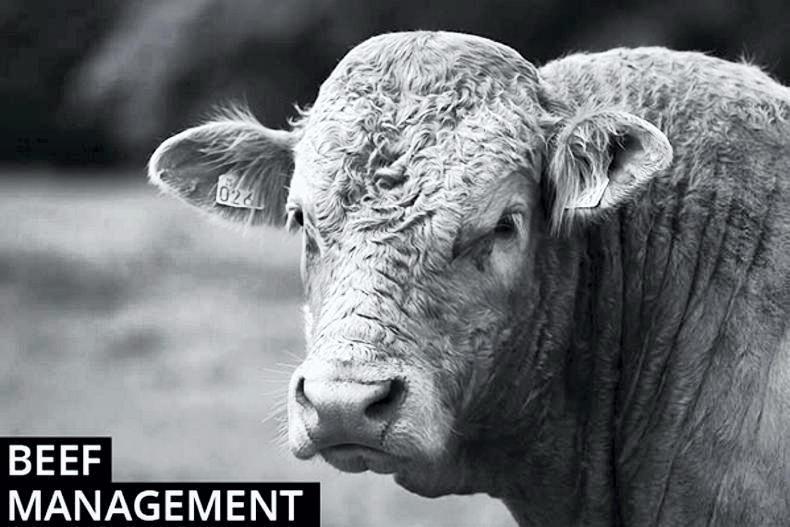
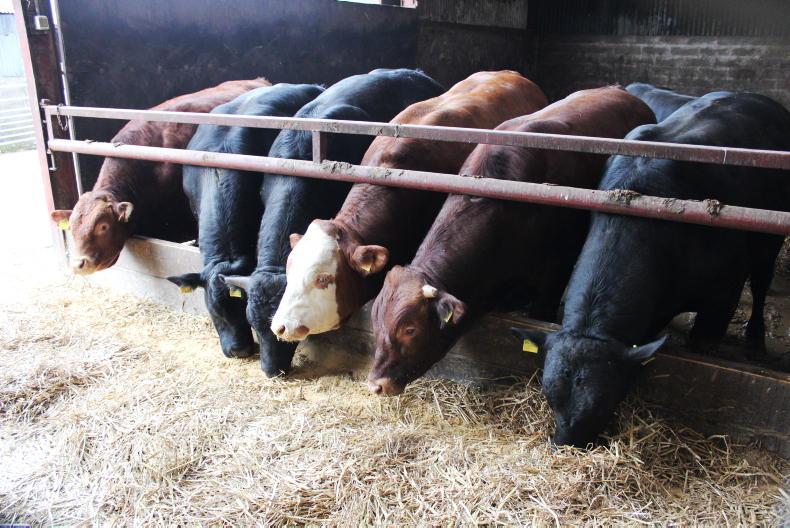
Ground conditions have deteriorated in the past few days and a lot of stock has been housed. Take a look at your shed ventilation to see if there is adequate airflow. Respiratory illness is worsened where ventilation is poor and this can increase the risk of pneumonia or IBR outbreaks. Tell-tale signs of poor ventilation are dripping water from the roof caused by excess condensation, blackened roof timbers and cobwebs.
In many cases, poor ventilation is caused by too little inlet or outlet ventilation. According to Dept of Agriculture specifications, in a shed under 15m wide a minimum ridge opening of 450mm is required – the inlet areas at the sides should be twice the outlet area (900mm). As shed width increases, these values also increase. Increasing the inlet openings can correct the problem. Take a look at trees and bushes that may have grown up around sheds and may be obstructing inlet airflow. Some hardware stores stock smoke bombs which can be used to analyse air flow in a shed. If smoke takes too long to dissipate, it means there is inadequate ventilation.
10 steps to healthier cattle at housing



SHARING OPTIONS