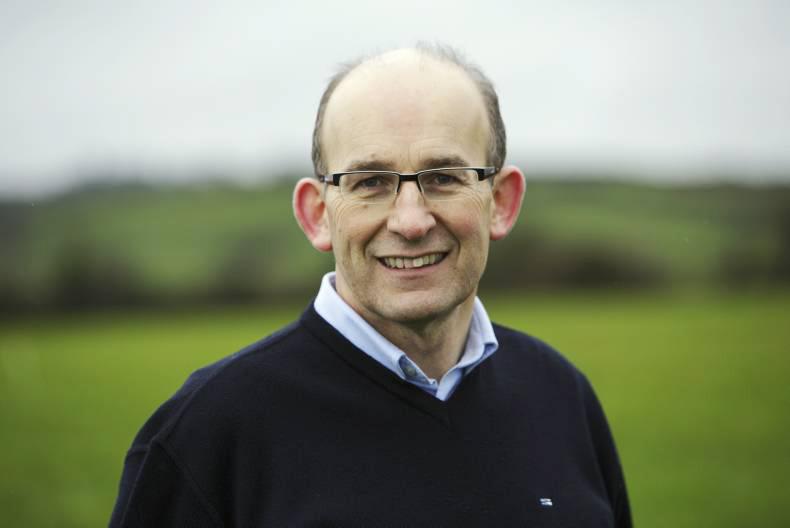
Peter McCann reports on the steps being taken in the Netherlands to curb phosphate production. Dutch farmers have exceeded the EU phosphate limit of 172.9m kg/yr for the past three years. Corrective action is clearly being taken in advance of negotiations with the EU on a renewal of the nitrates derogation, due to take place in 2018.
Having visited Dutch dairy farmers earlier this week, it is clear that much of the production increase from the dairy sector in the Netherlands (+7% since the removal of production quotas) has been in preparation for what is effectively now an environmental quota. The Dutch phosphate issues stem from the nature of the intensive production system with bought-in feed typically equating to 8-10t DM/ha.
There are lessons for Ireland in dealing with environmental issues. While Ireland’s grass-based dairy system delivers a negative phosphate loading, there are still a number of environmental issues circulating in the background, such as methane emissions. We must be in a position to show scientifically that the industry is proactive in addressing environmental concerns if we are to avoid being forced into a similar position to the Dutch.
ADVERTISEMENT
Register for free to read this story and our free stories.
This content is available to digital subscribers and loyalty code users only. Sign in to your account, use the code or subscribe to get unlimited access.
The reader loyalty code gives you full access to the site from when you enter it until the following Wednesday at 9pm. Find your unique code on the back page of Irish Country Living every week.
CODE ACCEPTED
You have full access to the site until next Wednesday at 9pm.
CODE NOT VALID
Please try again or contact support.
Peter McCann reports on the steps being taken in the Netherlands to curb phosphate production. Dutch farmers have exceeded the EU phosphate limit of 172.9m kg/yr for the past three years. Corrective action is clearly being taken in advance of negotiations with the EU on a renewal of the nitrates derogation, due to take place in 2018.
Having visited Dutch dairy farmers earlier this week, it is clear that much of the production increase from the dairy sector in the Netherlands (+7% since the removal of production quotas) has been in preparation for what is effectively now an environmental quota. The Dutch phosphate issues stem from the nature of the intensive production system with bought-in feed typically equating to 8-10t DM/ha.
There are lessons for Ireland in dealing with environmental issues. While Ireland’s grass-based dairy system delivers a negative phosphate loading, there are still a number of environmental issues circulating in the background, such as methane emissions. We must be in a position to show scientifically that the industry is proactive in addressing environmental concerns if we are to avoid being forced into a similar position to the Dutch.

If you would like to speak to a member of our team, please call us on 01-4199525.
Link sent to your email address
We have sent an email to your address. Please click on the link in this email to reset your password. If you can't find it in your inbox, please check your spam folder. If you can't find the email, please call us on 01-4199525.
ENTER YOUR LOYALTY CODE:
The reader loyalty code gives you full access to the site from when you enter it until the following Wednesday at 9pm. Find your unique code on the back page of Irish Country Living every week.
SHARING OPTIONS