There is a risk at farm level of missing out on selecting replacements with the best potential by failing to implement recording procedures at lambing.
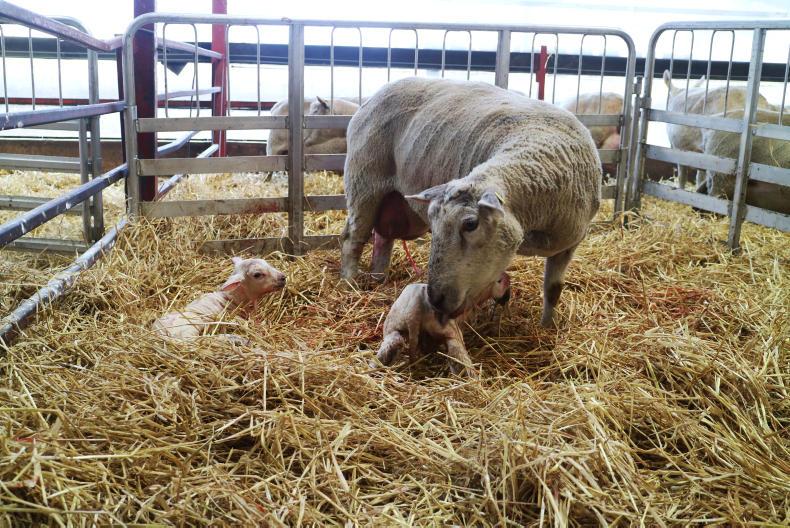
The optimum situation is where lambs are tagged at birth, weight recorded and correlated to their dam/sire, allowing selection decisions to be based on the animal’s own performance and its genetic background.
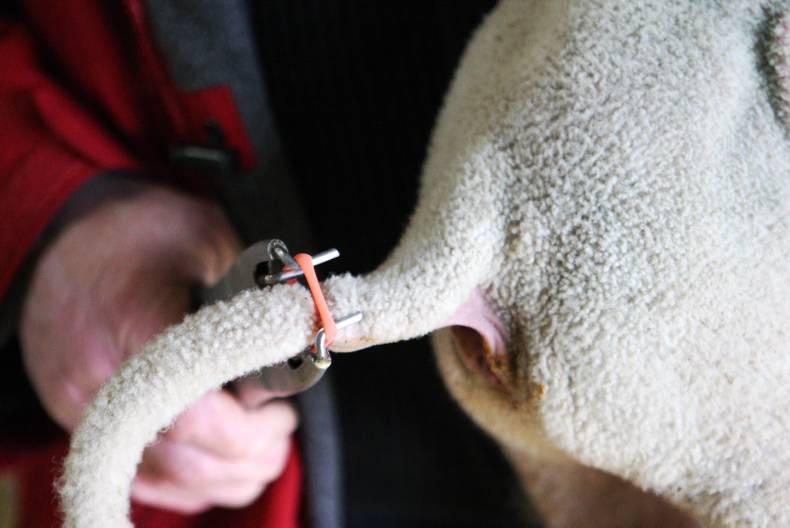
This will obviously not be a runner on every farm, but steps can still be taken that will lead to better selection decisions. At a minimum, identifying lambs from the best-performing ewes and sires that you want to breed from will help. This can take the form of applying a management tag or ear notching. Some people prefer to apply a good spray or marking fluid branding and follow up with a more permanent identification when animals are older.
The same can be said of identifying problem ewes. A spray mark is often used but not followed up on at a later date. As such, applying management tags, recording tag numbers or ear notching are a more reliable record to follow.
ADVERTISEMENT
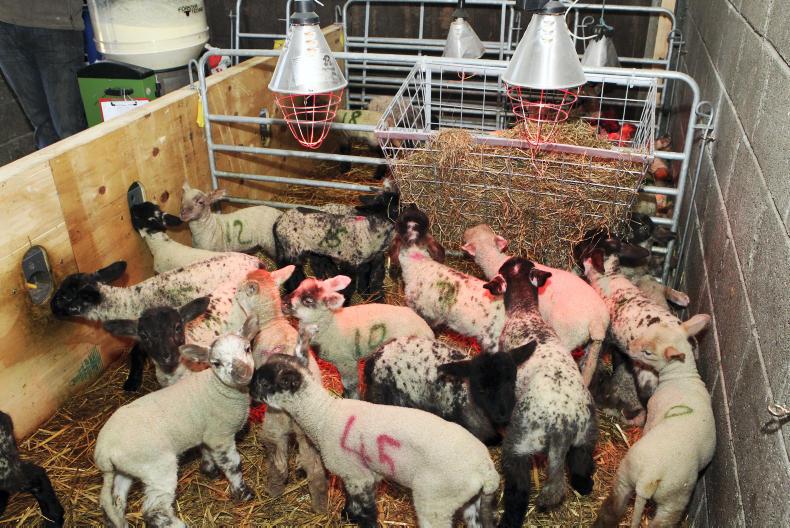
A tip to correlate ewes with their lambs and reduce labour at lambing is to spray mark numbers on ewes in advance of lambing. In this case, only the lamb then needs to be marked at lambing. Other tips where twin and single lambs are being run together post lambing is to use a different spray colour for twin and single lambs. In this way you will know quickly when checking animals if a ewe with one lamb is missing another lamb.
This content is available to digital subscribers and loyalty code users only. Sign in to your account, use the code or subscribe to get unlimited access.
There is a risk at farm level of missing out on selecting replacements with the best potential by failing to implement recording procedures at lambing.
The reader loyalty code gives you full access to the site from when you enter it until the following Wednesday at 9pm. Find your unique code on the back page of Irish Country Living every week.
CODE ACCEPTED
You have full access to the site until next Wednesday at 9pm.
CODE NOT VALID
Please try again or contact support.
The optimum situation is where lambs are tagged at birth, weight recorded and correlated to their dam/sire, allowing selection decisions to be based on the animal’s own performance and its genetic background.
This will obviously not be a runner on every farm, but steps can still be taken that will lead to better selection decisions. At a minimum, identifying lambs from the best-performing ewes and sires that you want to breed from will help. This can take the form of applying a management tag or ear notching. Some people prefer to apply a good spray or marking fluid branding and follow up with a more permanent identification when animals are older.
The same can be said of identifying problem ewes. A spray mark is often used but not followed up on at a later date. As such, applying management tags, recording tag numbers or ear notching are a more reliable record to follow.
A tip to correlate ewes with their lambs and reduce labour at lambing is to spray mark numbers on ewes in advance of lambing. In this case, only the lamb then needs to be marked at lambing. Other tips where twin and single lambs are being run together post lambing is to use a different spray colour for twin and single lambs. In this way you will know quickly when checking animals if a ewe with one lamb is missing another lamb.
If you would like to speak to a member of our team, please call us on 01-4199525.
Link sent to your email address
We have sent an email to your address. Please click on the link in this email to reset your password. If you can't find it in your inbox, please check your spam folder. If you can't find the email, please call us on 01-4199525.
ENTER YOUR LOYALTY CODE:
The reader loyalty code gives you full access to the site from when you enter it until the following Wednesday at 9pm. Find your unique code on the back page of Irish Country Living every week.
SHARING OPTIONS