After the mild winter, bacteria and parasites such as crypto and rotavirus that might normally be killed off in hard frosts are still harbouring in sheds and feeding equipment. The mild weather isn’t helping either. Milk for calves is going sour after only a few hours, when normally it would last out in the open for a few days. All we can do is to reduce the disease pressure on calves.
Feeding enough colostrum is the first and most important step. Stomach tube three litres of colostrum to newborn calves as soon as you can.
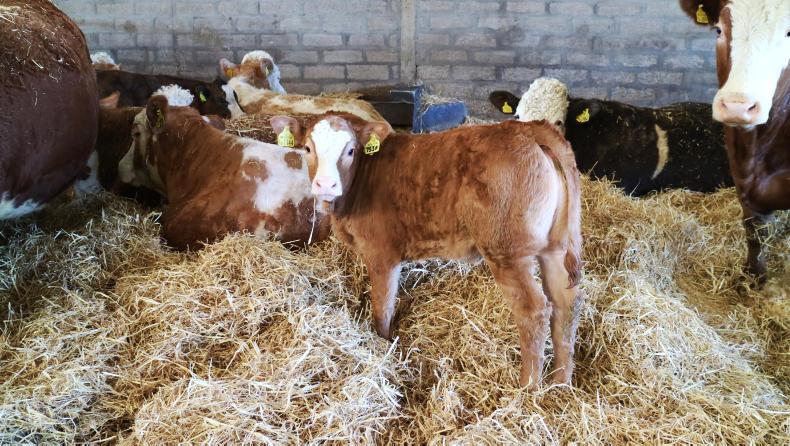
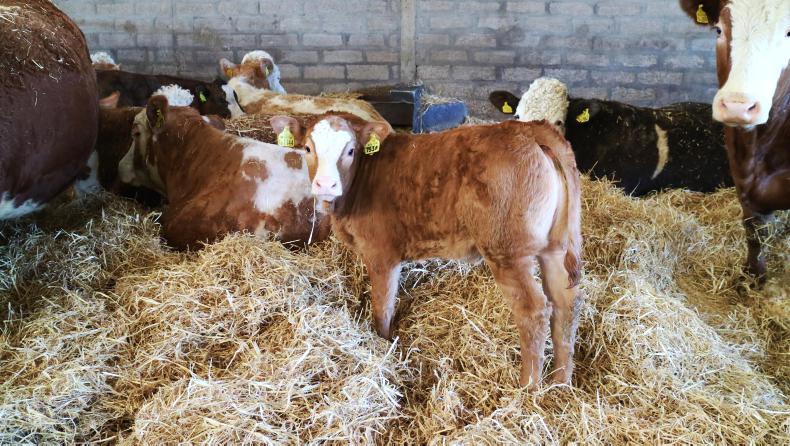
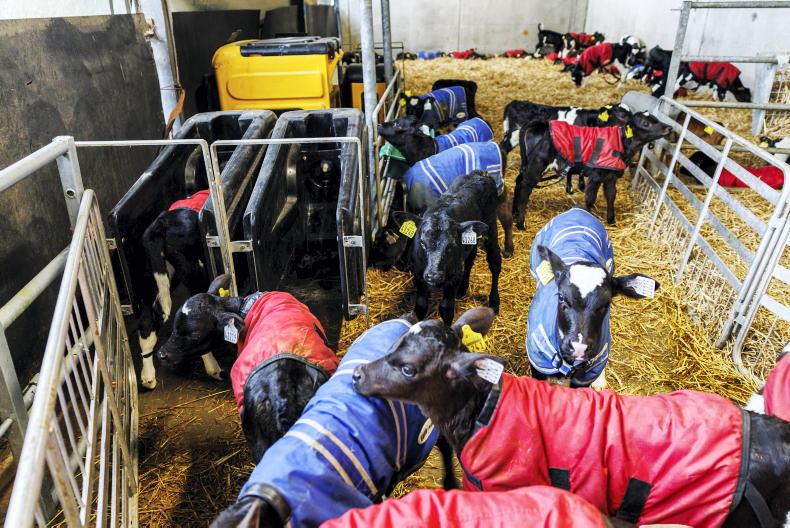
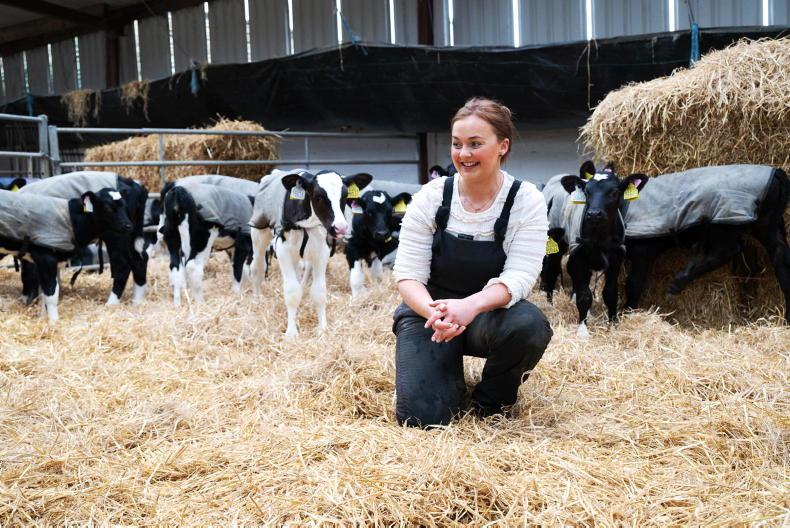
Providing a dry lie is the next step. Keep straw topped up. You should be able to kneel on the bed without your knees getting wet.
ADVERTISEMENT
Good hygiene is an important preventative measure. Consider cleaning out and disinfecting sheds more regularly. The same applies to milk feeders and buckets – the less exposure the calves get to bad bacteria the better.
Don’t overload the calf shed and keep fresh air circulating by opening doors and vents. Avoid draughts at floor level. Some farmers stack straw bales at doors to avoid draughts. The best place for calves in this weather is outside, but you should still provide a dry lie. See here for ideas on calf hutches.
This content is available to digital subscribers and loyalty code users only. Sign in to your account, use the code or subscribe to get unlimited access.
The reader loyalty code gives you full access to the site from when you enter it until the following Wednesday at 9pm. Find your unique code on the back page of Irish Country Living every week.
CODE ACCEPTED
You have full access to the site until next Wednesday at 9pm.
CODE NOT VALID
Please try again or contact support.
After the mild winter, bacteria and parasites such as crypto and rotavirus that might normally be killed off in hard frosts are still harbouring in sheds and feeding equipment. The mild weather isn’t helping either. Milk for calves is going sour after only a few hours, when normally it would last out in the open for a few days. All we can do is to reduce the disease pressure on calves.
Feeding enough colostrum is the first and most important step. Stomach tube three litres of colostrum to newborn calves as soon as you can.
Providing a dry lie is the next step. Keep straw topped up. You should be able to kneel on the bed without your knees getting wet.
Good hygiene is an important preventative measure. Consider cleaning out and disinfecting sheds more regularly. The same applies to milk feeders and buckets – the less exposure the calves get to bad bacteria the better.
Don’t overload the calf shed and keep fresh air circulating by opening doors and vents. Avoid draughts at floor level. Some farmers stack straw bales at doors to avoid draughts. The best place for calves in this weather is outside, but you should still provide a dry lie. See here for ideas on calf hutches.
If you would like to speak to a member of our team, please call us on 01-4199525.
Link sent to your email address
We have sent an email to your address. Please click on the link in this email to reset your password. If you can't find it in your inbox, please check your spam folder. If you can't find the email, please call us on 01-4199525.
ENTER YOUR LOYALTY CODE:
The reader loyalty code gives you full access to the site from when you enter it until the following Wednesday at 9pm. Find your unique code on the back page of Irish Country Living every week.






SHARING OPTIONS