British Minister of State for Agriculture George Eustice has said that the UK would strike a trade agreement with the EU before any other partners once it leaves the Union, alleviating fears that Britain could rush to import cheap food following Brexit.
“First and foremost we will be doing a trade agreement with the EU,” minister Eustice told parliament on Wednesday. “The first thing we need to do is negotiate a trade deal with the European Union. That’s the negotiations that comes down the tracks first, although we can have early discussions with other countries.”
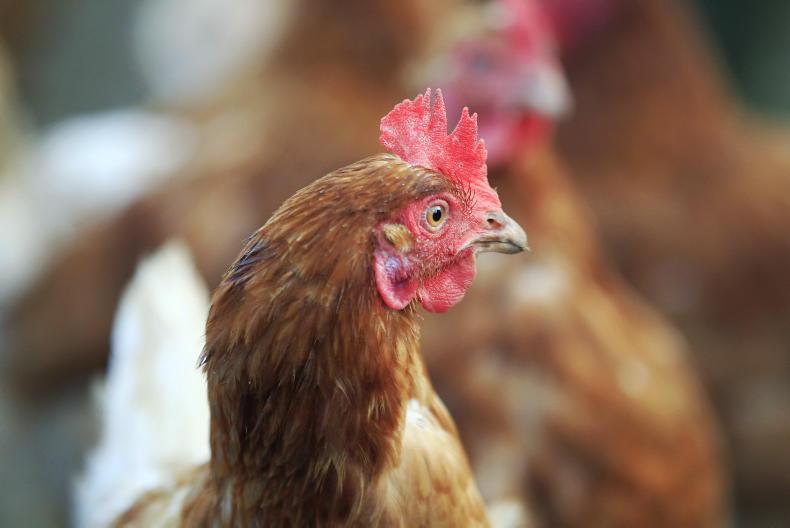
Asked about the example of US chicken, which is produced cheaply to lower animal welfare standards than in the UK and treated with chlorine, Minister Eustice replied that consumer acceptability of such practices would be part of upcoming trade agreements. “We’ve got a manifesto commitment as the Conservative Party to promote high standards of animal welfare in all trade deals,” he added.
WTO quotas
Minister Eustice also discussed the future of the tariff-rate quotas (TRQs) currently used at EU level to allow duty-free trade of certain agricultural commodities up to a given limit.
He said that TRQs would probably be split between the UK and the rest of the EU based on their historic use of the quotas during a given reference period. The maximum 228,254t of New Zealand lamb allowed into the EU tariff-free every year, for example, would largely go to the UK after Brexit because this is where shipments have been going in recent years.
The UK will also receive a portion of the EU’s maximum agricultural subsidies allowed under WTO rules, called “aggregate measures of support” (AMS), which Eustice said could be based on the UK’s share of the EU budget.
”Soft border”
Quizzed by Northern Irish MPs about the future of agri food trade across the border, Minister Eustice said that the UK was studying examples of other regions such as the North America Free Trade Agreement, where “complex supply chains work across borders” without being “overly bureaucratic”. Digital technologies are also being explored to ensure a “soft border” between Northern Ireland and the Republic, he added.
He also acknowledged that the absence of a devolved administration in Stormont during the current election period had hampered the representation of Northern Ireland’s farming interests in recent Brexit work.
Read more
‘Major diplomatic offensive’ needed on Brexit – IFA
Full coverage: Brexit
British Minister of State for Agriculture George Eustice has said that the UK would strike a trade agreement with the EU before any other partners once it leaves the Union, alleviating fears that Britain could rush to import cheap food following Brexit.
“First and foremost we will be doing a trade agreement with the EU,” minister Eustice told parliament on Wednesday. “The first thing we need to do is negotiate a trade deal with the European Union. That’s the negotiations that comes down the tracks first, although we can have early discussions with other countries.”
Asked about the example of US chicken, which is produced cheaply to lower animal welfare standards than in the UK and treated with chlorine, Minister Eustice replied that consumer acceptability of such practices would be part of upcoming trade agreements. “We’ve got a manifesto commitment as the Conservative Party to promote high standards of animal welfare in all trade deals,” he added.
WTO quotas
Minister Eustice also discussed the future of the tariff-rate quotas (TRQs) currently used at EU level to allow duty-free trade of certain agricultural commodities up to a given limit.
He said that TRQs would probably be split between the UK and the rest of the EU based on their historic use of the quotas during a given reference period. The maximum 228,254t of New Zealand lamb allowed into the EU tariff-free every year, for example, would largely go to the UK after Brexit because this is where shipments have been going in recent years.
The UK will also receive a portion of the EU’s maximum agricultural subsidies allowed under WTO rules, called “aggregate measures of support” (AMS), which Eustice said could be based on the UK’s share of the EU budget.
”Soft border”
Quizzed by Northern Irish MPs about the future of agri food trade across the border, Minister Eustice said that the UK was studying examples of other regions such as the North America Free Trade Agreement, where “complex supply chains work across borders” without being “overly bureaucratic”. Digital technologies are also being explored to ensure a “soft border” between Northern Ireland and the Republic, he added.
He also acknowledged that the absence of a devolved administration in Stormont during the current election period had hampered the representation of Northern Ireland’s farming interests in recent Brexit work.
Read more
‘Major diplomatic offensive’ needed on Brexit – IFA
Full coverage: Brexit







SHARING OPTIONS