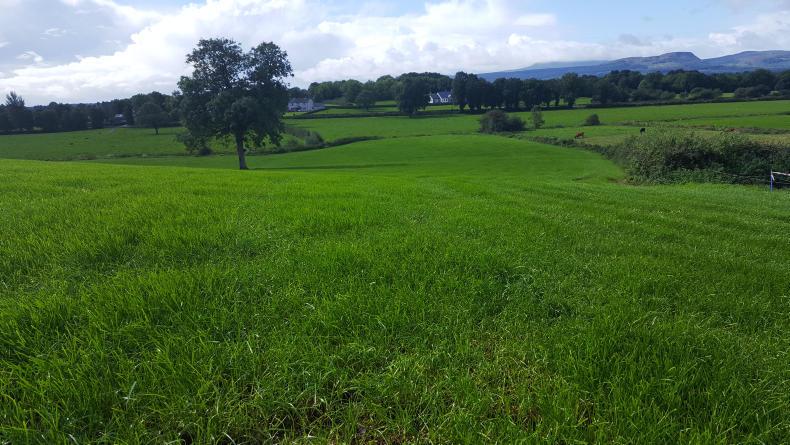
It is more than making up for the dry winter and spring – not only have I not got my first cut silage made but the slurry that I expected to put out on the first-cut silage ground has come up to slat level and we have had to spread it on the individual paddocks we have just grazed. It is not ideal, to put it mildly, but there is nothing else we can do with it.
It would be more awkward if we were set-stocking the bulls as it would then have to go on much heavier swards. I am hoping that we can snatch some reasonable weather in the immediate future to get the silage cut but the forecast doesn’t give me much grounds for optimism.
The cattle themselves are doing well and seem to be becoming fit earlier than usual.
ADVERTISEMENT
Since I have been exposed to the capacity of ICBF to analyse data, I have been paying more attention to the variation in the time it takes to finish different types of bulls to the target weight of 400-420kg. What is clear is that good weight gain is genetically inherited. Dairy farmers buying heifers to go into their herd expect to have an accurate picture of the genetic capacity of the animals they are buying. It would be great to have the same details routinely available for weanlings.
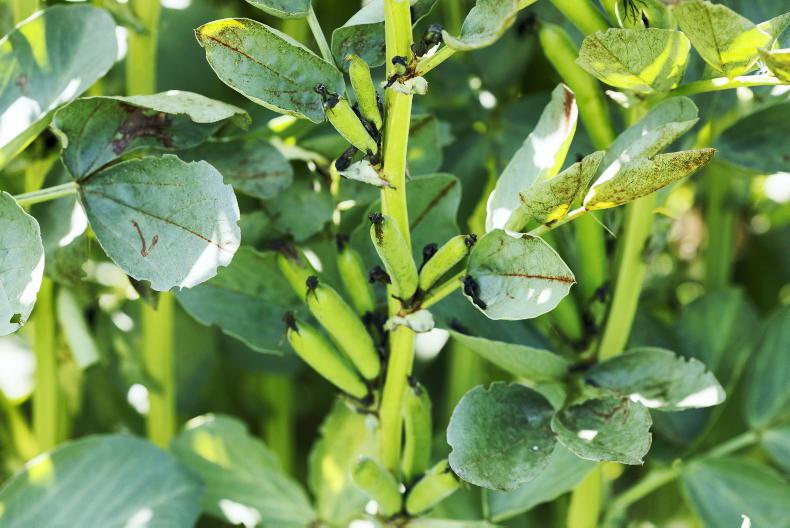
Meanwhile, on the crop side, the first to be harvested will be the winter barley. I may be wrong but I think there are too many heads with 24-28 grains rather than 32 plus, but sun is the greatest help to high yields in winter barley and, at this stage, it’s badly needed. The oilseed rape could do with some as well and I hate to see wheat flowering in such cold, wet weather, though at the moment it seems to be suiting the beans ideally.
Register for free to read this story and our free stories.
This content is available to digital subscribers and loyalty code users only. Sign in to your account, use the code or subscribe to get unlimited access.
The reader loyalty code gives you full access to the site from when you enter it until the following Wednesday at 9pm. Find your unique code on the back page of Irish Country Living every week.
CODE ACCEPTED
You have full access to the site until next Wednesday at 9pm.
CODE NOT VALID
Please try again or contact support.
It is more than making up for the dry winter and spring – not only have I not got my first cut silage made but the slurry that I expected to put out on the first-cut silage ground has come up to slat level and we have had to spread it on the individual paddocks we have just grazed. It is not ideal, to put it mildly, but there is nothing else we can do with it.
It would be more awkward if we were set-stocking the bulls as it would then have to go on much heavier swards. I am hoping that we can snatch some reasonable weather in the immediate future to get the silage cut but the forecast doesn’t give me much grounds for optimism.
The cattle themselves are doing well and seem to be becoming fit earlier than usual.
Since I have been exposed to the capacity of ICBF to analyse data, I have been paying more attention to the variation in the time it takes to finish different types of bulls to the target weight of 400-420kg. What is clear is that good weight gain is genetically inherited. Dairy farmers buying heifers to go into their herd expect to have an accurate picture of the genetic capacity of the animals they are buying. It would be great to have the same details routinely available for weanlings.
Meanwhile, on the crop side, the first to be harvested will be the winter barley. I may be wrong but I think there are too many heads with 24-28 grains rather than 32 plus, but sun is the greatest help to high yields in winter barley and, at this stage, it’s badly needed. The oilseed rape could do with some as well and I hate to see wheat flowering in such cold, wet weather, though at the moment it seems to be suiting the beans ideally.
If you would like to speak to a member of our team, please call us on 01-4199525.
Link sent to your email address
We have sent an email to your address. Please click on the link in this email to reset your password. If you can't find it in your inbox, please check your spam folder. If you can't find the email, please call us on 01-4199525.
ENTER YOUR LOYALTY CODE:
The reader loyalty code gives you full access to the site from when you enter it until the following Wednesday at 9pm. Find your unique code on the back page of Irish Country Living every week.






SHARING OPTIONS