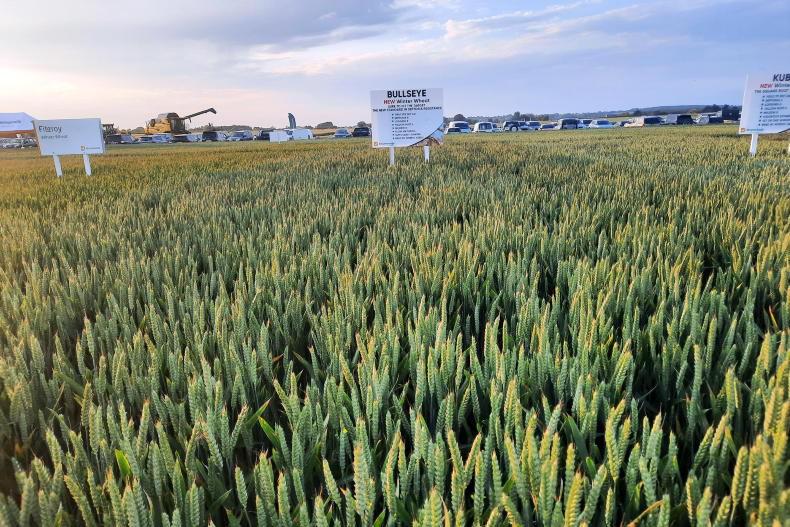
Most crops continue to look well and show good potential.
ADVERTISEMENT
It looks like we could be shaping up for an early harvest but who knows. Most crops continue to look well and show good potential but some areas that suffered early on have not fully recovered.
Frequent rain is the new worry, especially for winter wheat and barley, due to the risk of ear blight. But heavy rain followed by dry is probably safer than continuous damp muggy weather.
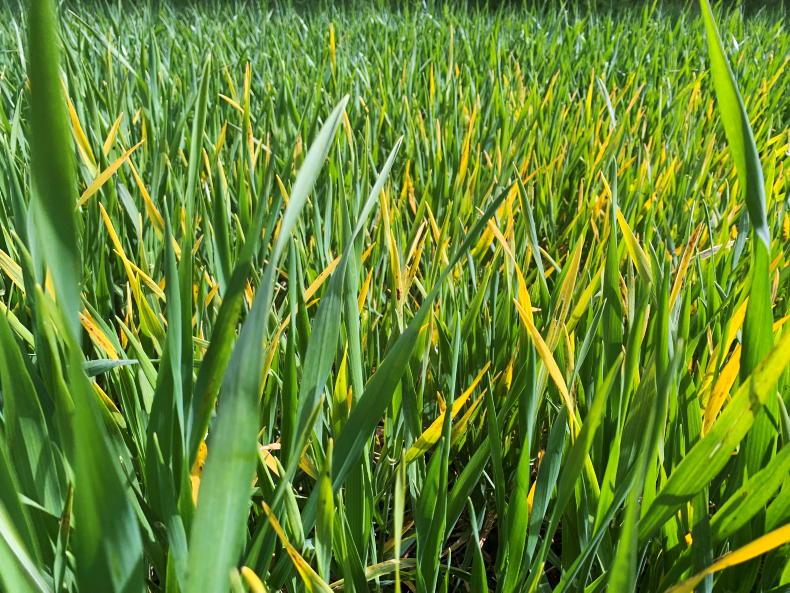
There are a lot of BYDV symptoms in some spring barley crops. Some of this may not be as bad as it looks given the prominence of the tall yellow leaf and the density of some of these good crops. Other crops have a lot of infection. But the symptoms are a bit different to normal. Virus infection generally shows yellowing of the upper leaf on all leaves simultaneously but most spring barley crops are currently only showing yellowing on the second or third last leaf.
ADVERTISEMENT
Most spring crops remain quite clean and growers have taken action against mildew. But there may soon be pressure from rhyncho, net blotch or septoria. One could even see halo blight appearing on oats if the rain continues.
Heavy rain is a risk to heavy winter barley crops and some lodging is likely, at least on ins-and-outs. This mean getting ready to keep crows out so take the necessary preventative action in your most susceptible areas.
This content is available to digital subscribers and loyalty code users only. Sign in to your account, use the code or subscribe to get unlimited access.
The reader loyalty code gives you full access to the site from when you enter it until the following Wednesday at 9pm. Find your unique code on the back page of Irish Country Living every week.
CODE ACCEPTED
You have full access to the site until next Wednesday at 9pm.
CODE NOT VALID
Please try again or contact support.
It looks like we could be shaping up for an early harvest but who knows. Most crops continue to look well and show good potential but some areas that suffered early on have not fully recovered.
Frequent rain is the new worry, especially for winter wheat and barley, due to the risk of ear blight. But heavy rain followed by dry is probably safer than continuous damp muggy weather.
There are a lot of BYDV symptoms in some spring barley crops. Some of this may not be as bad as it looks given the prominence of the tall yellow leaf and the density of some of these good crops. Other crops have a lot of infection. But the symptoms are a bit different to normal. Virus infection generally shows yellowing of the upper leaf on all leaves simultaneously but most spring barley crops are currently only showing yellowing on the second or third last leaf.
Most spring crops remain quite clean and growers have taken action against mildew. But there may soon be pressure from rhyncho, net blotch or septoria. One could even see halo blight appearing on oats if the rain continues.
Heavy rain is a risk to heavy winter barley crops and some lodging is likely, at least on ins-and-outs. This mean getting ready to keep crows out so take the necessary preventative action in your most susceptible areas.
If you would like to speak to a member of our team, please call us on 01-4199525.
Link sent to your email address
We have sent an email to your address. Please click on the link in this email to reset your password. If you can't find it in your inbox, please check your spam folder. If you can't find the email, please call us on 01-4199525.
ENTER YOUR LOYALTY CODE:
The reader loyalty code gives you full access to the site from when you enter it until the following Wednesday at 9pm. Find your unique code on the back page of Irish Country Living every week.





SHARING OPTIONS