


Iodine deficiency results in normal body functions proceeding more slowly, with resultant clinical signs of ill thrift.
Cause
Iodine deficiency may be primary, when soil or plants are deficient in iodine, or it may be secondary, as a consequence of feeding a diet high in substances that inhibit the uptake and/or utilisation of iodine by the thyroid gland. These are known as goitrogens. Examples of goitrogen-containing feedstuffs include kale, turnips and white clover which inhibit the uptake of iodine by the thyroid gland, and rapeseed meal and raw soya bean, both of which interfere with thyroid hormone synthesis. All of these feeds should only be fed in moderate amounts.
Symptoms
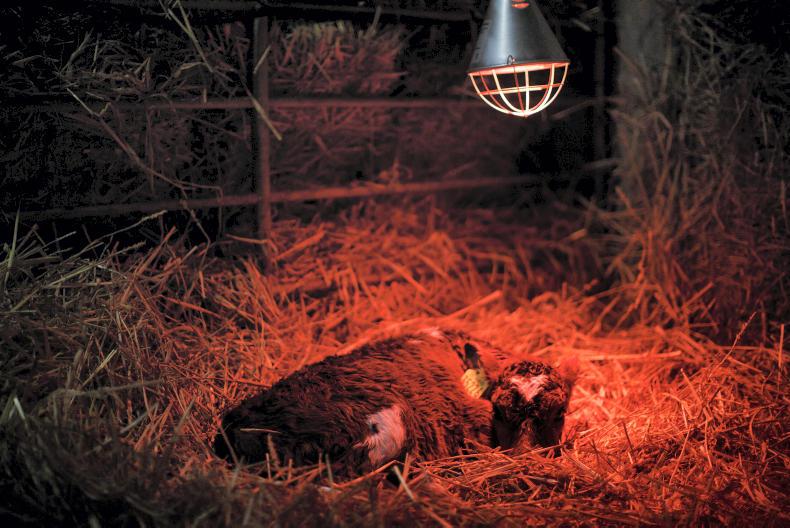
Iodine deficiency is classically associated with stillbirth and perinatal weak calf syndrome, which can affect many calves in some herds. This is usually more common among first-calving heifers in a herd.
Other clinical signs that have been attributed to significant iodine deficiency include lack of thrive; reduced heat expression in cows; prolonged calvings which may lead to an increase in the stillbirth incidence on a farm. It can also lead to the cow retaining her placenta (afterbirth) and lead to womb infections, known as endometritis.
As with other trace element deficiencies such as selenium and copper deficiency, iodine deficiency can affect the immune system leading to immunosuppression, resulting in calves being more susceptible to scour, pneumonia and other infections.
On post-mortem examination of weak or stillborn calves from herds with severe iodine deficiency, the condition of “goitre” may be seen, ie an enlarged thyroid gland situated at the back of the larynx.
Treatment
Diagnosis is obtained by blood-testing cows for plasma inorganic iodine. This is a much more reliable test than the traditional thyroid hormone assays. It is best to test a group of cows prior to mineral supplementation in order to get a true picture of iodine status within the herd.
Iodine may be supplemented to cattle diets in many ways, including oral drenches of potassium iodate at three-week intervals; iodine-containing boluses which release iodine over a period of months and via water in either tablet form or by the daily addition of potassium iodate/iodide to drinking troughs, and through pre-calving mineral supplementation to be applied on to silage.
The brushing of iodine solutions on to the skin every one to two weeks during the dry period is also effective, although very labour intensive. Care should be taken when applying this, as the best place to apply is in the fold between the udder and the leg. The exact method of supplementation can be tailored to the farm itself, with advice from your veterinary practitioner.
Prevention and control
The majority of pastures in Ireland contain inadequate iodine for pregnant and lactating cows and, therefore, if they are on grazing or forage alone, additional supplementation will be required. Iodine is not stored well in the body and so it is crucial that dry cows in herds where iodine deficiency has been diagnosed as a problem are supplemented. It is important that cows are supplemented immediately prior to and during the breeding season so that the cows express strong heats. In deficient herds, supplementation should aim to ensure that the cow is receiving at least 60mg iodine per day.


SHARING OPTIONS