This week's notes cover breeding strategies for hill flocks, a recap on the sheep welfare scheme mineral supplementation option and breeding ewe lambs.
Crossbreeding is not an option for all hill flocks, but where possible it can provide an opportunity to increase flock productivity by increasing the value of output.
The potential level of crossbreeding in a flock will depend on the flock’s replacement rate and the average litter size.
Teagasc experience through its BETTER Farm sheep programme shows the level of crossbreeding possible for a range of flock litter sizes.
ADVERTISEMENT
The recommendations in the table are based on a hill flock with a replacement rate of about 24%, while also allowing for 10% of any potential ewe lambs to be deemed unsuitable.
When deciding on a sire for crossbreeding, it is worth considering your target market.
For example, mating with a Bluefaced Leicester sire will produce mule replacements with good maternal attributes, while using a terminal sire will increase the value of progeny if selling as stores or bringing through to finishing.
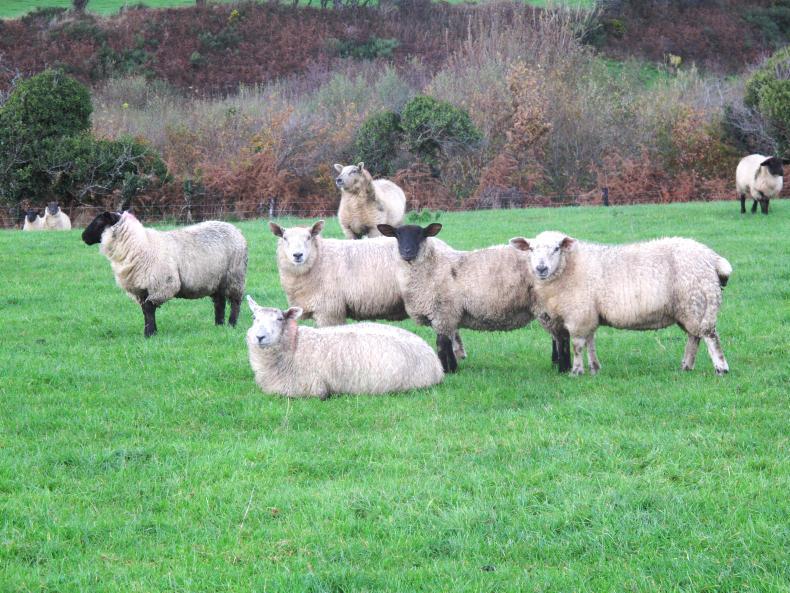
Remember, the litter size of Scottish Blackface ewes can be greatly boosted by having ewes in optimum body condition score at mating (target of BCS3 in hill flocks), while also reducing barren rates and tightening the lambing spread.
Register for free to read this story and our free stories.
This content is available to digital subscribers and loyalty code users only. Sign in to your account, use the code or subscribe to get unlimited access.
However, if you would like to share the information in this article, you may use the headline, summary and link below:
Title: Sheep management notes: breeding for hill flocks
This week's notes cover breeding strategies for hill flocks, a recap on the sheep welfare scheme mineral supplementation option and breeding ewe lambs.
The reader loyalty code gives you full access to the site from when you enter it until the following Wednesday at 9pm. Find your unique code on the back page of Irish Country Living every week.
CODE ACCEPTED
You have full access to the site until next Wednesday at 9pm.
CODE NOT VALID
Please try again or contact support.
Crossbreeding is not an option for all hill flocks, but where possible it can provide an opportunity to increase flock productivity by increasing the value of output.
The potential level of crossbreeding in a flock will depend on the flock’s replacement rate and the average litter size.
Teagasc experience through its BETTER Farm sheep programme shows the level of crossbreeding possible for a range of flock litter sizes.
The recommendations in the table are based on a hill flock with a replacement rate of about 24%, while also allowing for 10% of any potential ewe lambs to be deemed unsuitable.
When deciding on a sire for crossbreeding, it is worth considering your target market.
For example, mating with a Bluefaced Leicester sire will produce mule replacements with good maternal attributes, while using a terminal sire will increase the value of progeny if selling as stores or bringing through to finishing.
Remember, the litter size of Scottish Blackface ewes can be greatly boosted by having ewes in optimum body condition score at mating (target of BCS3 in hill flocks), while also reducing barren rates and tightening the lambing spread.
If you would like to speak to a member of our team, please call us on 01-4199525.
Link sent to your email address
We have sent an email to your address. Please click on the link in this email to reset your password. If you can't find it in your inbox, please check your spam folder. If you can't find the email, please call us on 01-4199525.
ENTER YOUR LOYALTY CODE:
The reader loyalty code gives you full access to the site from when you enter it until the following Wednesday at 9pm. Find your unique code on the back page of Irish Country Living every week.
SHARING OPTIONS