“Don’t worry. They die at Christmas too.”
A reassuring response from the dead animal collection lorry driver to my apology for calling him out on a manky, misty, Christmas Eve eve.
I was lucky to get the animal out of the yard, given the time of year. I prefer to get them off site as fast as I can.
The animal in question got pneumonia back in August and was never 100% afterwards. She got another dose of it back in November and the mild conditions in the runup to Christmas didn’t help her cause.
You find yourself asking a lot of questions and wondering was there anymore you could have done when you lose an animal.
We were always going to pay for everything going to plan with the 2016 calving season. There’s a lot of balance in nature. This year’s losses won’t be truly felt until later this year, with the number available for sale down. A tougher cull on the cow herd may be on the cards to make up the balance.
While the loss was disappointing, the previous Saturday threw up an issue never experienced on the farm before. While I was putting in silage, the usual few cows stayed back in the bedded area. I had the first three bales in when I copped something was up. I could see a few of the in-calf heifers straining their necks, staring past the gate dividing them from the cows.
I looked left while reversing out for the next bale and saw two cows lying down as normal. Descending the tractor to open the next bale, I saw what was wrong. One of those cows was struggling to get up.
I locked the rest of them on the slats and went to investigate.
I threw a handful of ration from the finishing cows into a bucket to test her alertness and appetite. There was no issue with that, so after a few attempts to get her up I called the vet. On examination, he put it down to dry cow milk fever and gave her a bottle of calcium.
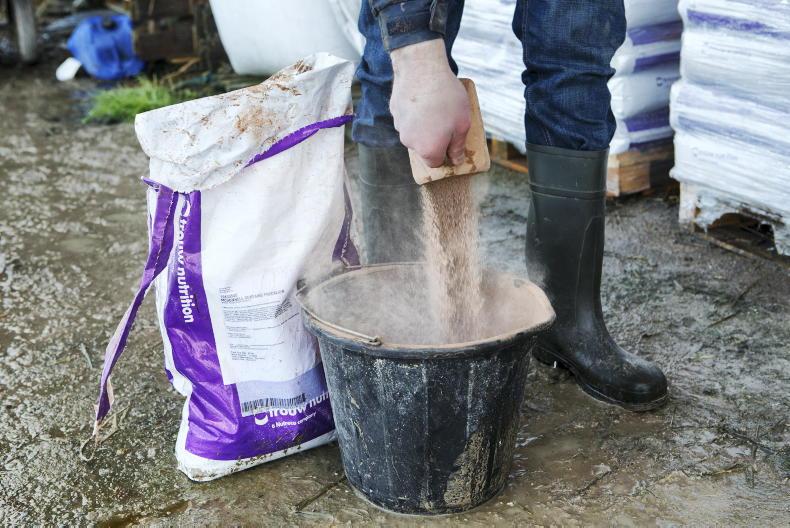
It’s a bizarre ailment for this farm, and likely caused by the cows getting their first feed of straw three days before. The change in diet was the one big change she would have experienced. They didn’t have access to pre-calver minerals at that point, as we normally introduce those at the start of January.
I rearranged a few gates and left her on her own in the straw area. Thankfully, she was back on her feet after two days. It was a wake-up call though.
Dealing with that cow meant I missed the launch of a local historical journal that I had contributed to. It was a diary piece my grand-aunt wrote about her first trip back to Ireland after she emigrated 30 years previously. It was an emotional rollercoaster of great joy and sadness.
Her sister’s husband filmed the trip and the reel of film sat in a press in my grandparents’ house for years. I got a version of it recently and it is fascinating to watch.
Where the youngstock yard stands on the farm now, there is a huge hay or straw reek and fields. It’s a glimpse into farming past.
There are harvest scenes and colour footage of the local creamery with horse and donkey drawn carts queueing to deliver churns of milk.
While much of the local landscape hasn’t changed in the 60 years since it was filmed, the same couldn’t be said for the pace of life.
Read more
Watch: getting straw to the islands
Farmer Writes: the trials and tribulations of TB
Farmer Writes: farmers don't like uncomfortable truths
“Don’t worry. They die at Christmas too.”
A reassuring response from the dead animal collection lorry driver to my apology for calling him out on a manky, misty, Christmas Eve eve.
I was lucky to get the animal out of the yard, given the time of year. I prefer to get them off site as fast as I can.
The animal in question got pneumonia back in August and was never 100% afterwards. She got another dose of it back in November and the mild conditions in the runup to Christmas didn’t help her cause.
You find yourself asking a lot of questions and wondering was there anymore you could have done when you lose an animal.
We were always going to pay for everything going to plan with the 2016 calving season. There’s a lot of balance in nature. This year’s losses won’t be truly felt until later this year, with the number available for sale down. A tougher cull on the cow herd may be on the cards to make up the balance.
While the loss was disappointing, the previous Saturday threw up an issue never experienced on the farm before. While I was putting in silage, the usual few cows stayed back in the bedded area. I had the first three bales in when I copped something was up. I could see a few of the in-calf heifers straining their necks, staring past the gate dividing them from the cows.
I looked left while reversing out for the next bale and saw two cows lying down as normal. Descending the tractor to open the next bale, I saw what was wrong. One of those cows was struggling to get up.
I locked the rest of them on the slats and went to investigate.
I threw a handful of ration from the finishing cows into a bucket to test her alertness and appetite. There was no issue with that, so after a few attempts to get her up I called the vet. On examination, he put it down to dry cow milk fever and gave her a bottle of calcium.
It’s a bizarre ailment for this farm, and likely caused by the cows getting their first feed of straw three days before. The change in diet was the one big change she would have experienced. They didn’t have access to pre-calver minerals at that point, as we normally introduce those at the start of January.
I rearranged a few gates and left her on her own in the straw area. Thankfully, she was back on her feet after two days. It was a wake-up call though.
Dealing with that cow meant I missed the launch of a local historical journal that I had contributed to. It was a diary piece my grand-aunt wrote about her first trip back to Ireland after she emigrated 30 years previously. It was an emotional rollercoaster of great joy and sadness.
Her sister’s husband filmed the trip and the reel of film sat in a press in my grandparents’ house for years. I got a version of it recently and it is fascinating to watch.
Where the youngstock yard stands on the farm now, there is a huge hay or straw reek and fields. It’s a glimpse into farming past.
There are harvest scenes and colour footage of the local creamery with horse and donkey drawn carts queueing to deliver churns of milk.
While much of the local landscape hasn’t changed in the 60 years since it was filmed, the same couldn’t be said for the pace of life.
Read more
Watch: getting straw to the islands
Farmer Writes: the trials and tribulations of TB
Farmer Writes: farmers don't like uncomfortable truths






SHARING OPTIONS