The risk of liver fluke infection remains high in outwintered sheep. The advice for outwintered flocks that received treatment in November is retreatment in January.
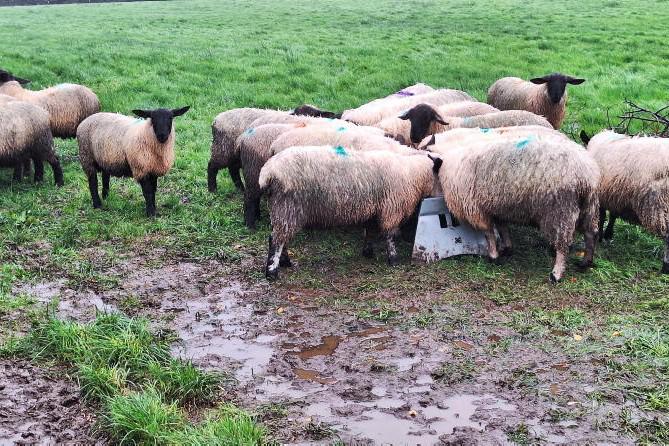
Sheep grazing very wet lands with a history of high liver fluke burdens may require treatment at four to six week intervals while for those with a lower risk, treatment is recommended to take place again in April.
Factory procurement personnel report issues in lambs as well as ewes. It is therefore important to include lambs in your treatment programme.
ADVERTISEMENT
Be careful, however, with product selection in lambs close to slaughter as many flukicide-only products have withdrawal periods of 40 days to over 60 days.
The greatest risk at present is from chronic liver fluke and products should be selected that are effective against immature and mature liver fluke.
Following up on the health status of livers from animals being slaughtered will also give a good indication of the presence of liver fluke.
This content is available to digital subscribers and loyalty code users only. Sign in to your account, use the code or subscribe to get unlimited access.
The reader loyalty code gives you full access to the site from when you enter it until the following Wednesday at 9pm. Find your unique code on the back page of Irish Country Living every week.
CODE ACCEPTED
You have full access to the site until next Wednesday at 9pm.
CODE NOT VALID
Please try again or contact support.
The risk of liver fluke infection remains high in outwintered sheep. The advice for outwintered flocks that received treatment in November is retreatment in January.
Sheep grazing very wet lands with a history of high liver fluke burdens may require treatment at four to six week intervals while for those with a lower risk, treatment is recommended to take place again in April.
Factory procurement personnel report issues in lambs as well as ewes. It is therefore important to include lambs in your treatment programme.
Be careful, however, with product selection in lambs close to slaughter as many flukicide-only products have withdrawal periods of 40 days to over 60 days.
The greatest risk at present is from chronic liver fluke and products should be selected that are effective against immature and mature liver fluke.
Following up on the health status of livers from animals being slaughtered will also give a good indication of the presence of liver fluke.
If you would like to speak to a member of our team, please call us on 01-4199525.
Link sent to your email address
We have sent an email to your address. Please click on the link in this email to reset your password. If you can't find it in your inbox, please check your spam folder. If you can't find the email, please call us on 01-4199525.
ENTER YOUR LOYALTY CODE:
The reader loyalty code gives you full access to the site from when you enter it until the following Wednesday at 9pm. Find your unique code on the back page of Irish Country Living every week.







SHARING OPTIONS