Time to renegotiate what is effectively a double tax
If oil and gas exporting regions of the world do not incur the carbon liability for the energy they export, why should Ireland incur the carbon liability for the food we produce?
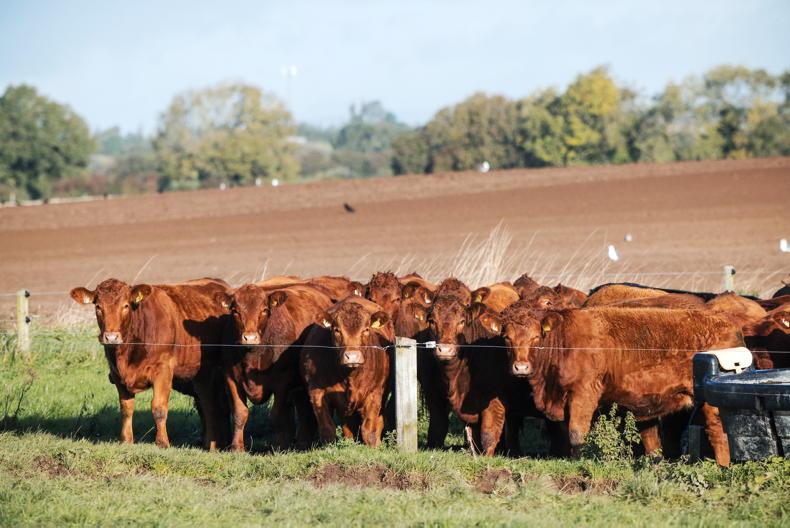
This week, beef specialist Ciarán Lenehan examines Suckler cows and jumbo jets - the great carbon debate" target="_blank">the carbon debate and the role of the suckler cow. His analysis compares the relative greenhouse gas emissions from the volume of beef consumed by the average EU citizen each year against other activities, such as air travel and motoring.
Despite the level of attention that beef production receives in the debate, his figures show 262kg of CO2 equivalents produced annually from the volume of beef consumed by the average EU citizen. To put into context, a return flight from Dublin to New York City equates to 1,394kg of CO2 equivalents. In the case of a jeep travelling 20,000 km per annum, the level of CO2 equivalents is 4,280kg.
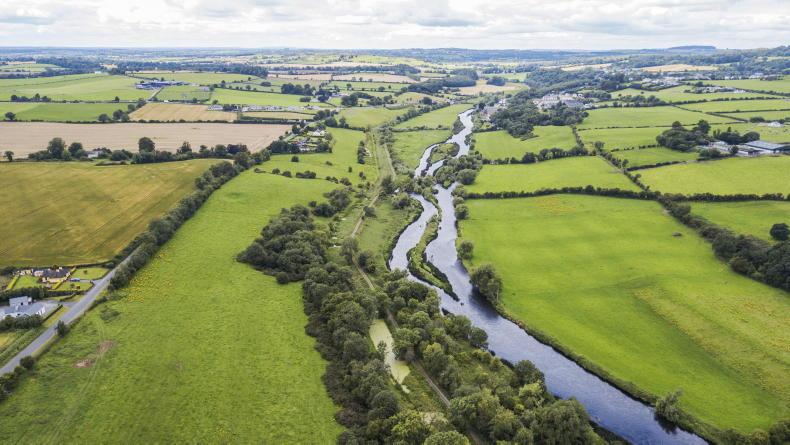
The article identifies the anomaly that exists in calculating Ireland’s greenhouse gas emissions. Not only does our emissions profile include the emissions from imported oil/gas used in our transport and energy sector, but it also includes emissions associated with the production of food that is exported and consumed outside of the country.
ADVERTISEMENT
If oil and gas exporting regions of the world do not incur the carbon liability for the energy they export, why should Ireland incur the carbon liability for the food we produce and export all over the world?
It is a point that we have raised before but it continues to fall on deaf ears. Surely given the financial implications of what is effectively a double tax, it is time to return to the negotiating table on this issue.
Register for free to read this story and our free stories.
This content is available to digital subscribers and loyalty code users only. Sign in to your account, use the code or subscribe to get unlimited access.
However, if you would like to share the information in this article, you may use the headline, summary and link below:
Title: Time to renegotiate what is effectively a double tax
If oil and gas exporting regions of the world do not incur the carbon liability for the energy they export, why should Ireland incur the carbon liability for the food we produce?
The reader loyalty code gives you full access to the site from when you enter it until the following Wednesday at 9pm. Find your unique code on the back page of Irish Country Living every week.
CODE ACCEPTED
You have full access to the site until next Wednesday at 9pm.
CODE NOT VALID
Please try again or contact support.
This week, beef specialist Ciarán Lenehan examines Suckler cows and jumbo jets - the great carbon debate" target="_blank">the carbon debate and the role of the suckler cow. His analysis compares the relative greenhouse gas emissions from the volume of beef consumed by the average EU citizen each year against other activities, such as air travel and motoring.
Despite the level of attention that beef production receives in the debate, his figures show 262kg of CO2 equivalents produced annually from the volume of beef consumed by the average EU citizen. To put into context, a return flight from Dublin to New York City equates to 1,394kg of CO2 equivalents. In the case of a jeep travelling 20,000 km per annum, the level of CO2 equivalents is 4,280kg.
The article identifies the anomaly that exists in calculating Ireland’s greenhouse gas emissions. Not only does our emissions profile include the emissions from imported oil/gas used in our transport and energy sector, but it also includes emissions associated with the production of food that is exported and consumed outside of the country.
If oil and gas exporting regions of the world do not incur the carbon liability for the energy they export, why should Ireland incur the carbon liability for the food we produce and export all over the world?
It is a point that we have raised before but it continues to fall on deaf ears. Surely given the financial implications of what is effectively a double tax, it is time to return to the negotiating table on this issue.
If you would like to speak to a member of our team, please call us on 01-4199525.
Link sent to your email address
We have sent an email to your address. Please click on the link in this email to reset your password. If you can't find it in your inbox, please check your spam folder. If you can't find the email, please call us on 01-4199525.
ENTER YOUR LOYALTY CODE:
The reader loyalty code gives you full access to the site from when you enter it until the following Wednesday at 9pm. Find your unique code on the back page of Irish Country Living every week.
SHARING OPTIONS