Spring has yet to materialise on the programme farms and silage reserves are coming under pressure with a delayed turnout.
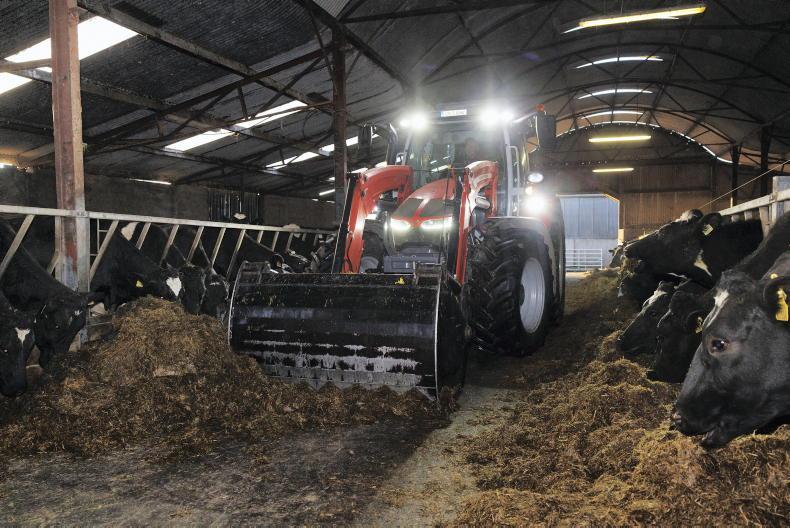
On the farms with autumn-calving herds, weaning is taking place which is easing fodder demand and allowing more silage to be targeted to spring-calving cows which remain housed.
Autumn cows that scanned empty can now be sold at weaning, with most farmers opting to finish any cull cows.
Cows are being offered concentrates for a short period to improve condition prior to slaughter and ultimately increase the carcase value. Bulls which are being intensively finished are also moving on to ad-lib meals for the final 100 to 120 days prior to slaughter.
Ration type is changing from a 16% growing ration to a lower 12% to 13% ration which is higher in maize and starch to improve fat cover.
Fertiliser
Colder temperatures and heavy rainfall have stalled plans to get fertiliser on to grazing and silage ground in the past couple of weeks.
Where fertiliser has been applied, there has been a limited growth response, with younger swards which contain high levels of ryegrass being most responsive.
The nitrogen applied will still be present in soils and will be available for grass growth once temperatures rise.
Silage fertiliser is also normally spread by mid-April on the programme farms to target a harvesting date in late May.
If ground conditions permit, silage fertiliser will be applied as planned to maximise yield and silage quality.
Week in review
Spring-calving cows remain housed due to poor grazing conditions.Weather has limited fertiliser and slurry applications in recent weeks.Autumn cows are now being weaned to save on silage.End in sight for spring calving herd
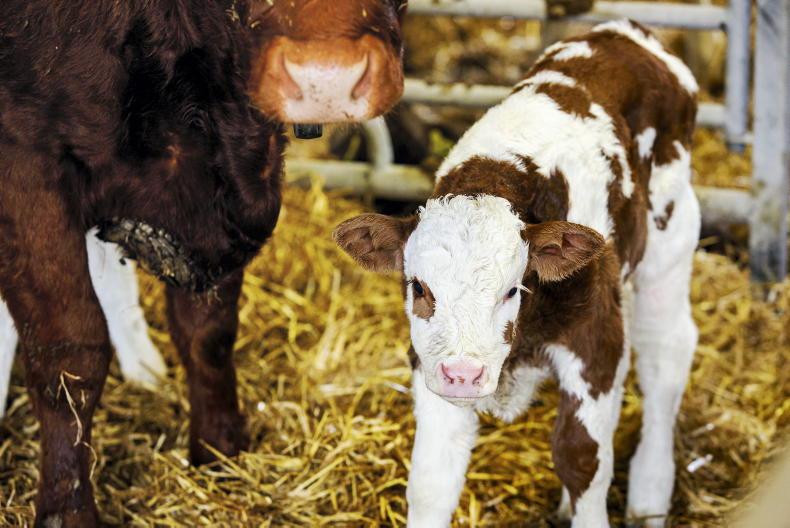
Spring calving is drawing to a close on this farm with just four cows left to calve. Based on breeding and scanning dates, I would imagine these animals will calve inside the next two weeks.
I had 30 cows scanned in-calf for this spring with the first cow calving back on 18 February. Calving has been relatively smooth going with only one calf lost, but I was able to foster a twin calf on to the cow with little trouble.
To date, I have 26 cows on the ground with 27 live calves, which is pleasing.
Prior to calving, cows were on silage and pre-calving mineral. Once calved, they move on to ad-lib silage and 2kg/day of maize gluten rather than a complete ration.
I have been feeding gluten throughout winter to stretch supplies and it worked really well, so I have decided to stick with it for the spring cows.
Spring cows are calving to a mix of AI sires, mainly Angus, Limousin and Simmental sires which I have used in the past and have produced great calves from my cows.
Fertiliser
With ground conditions wet, there is little prospect of getting cows and calves out to grass for a week or two yet.
Silage is getting extremely tight on farm. I have been buying in additional silage from a neighbouring farm and I bought bales back in autumn which have now been used up.
No fertiliser has been spread on grazing ground yet as it has just been too wet and too cold to get any kind of response.
However, I managed to get slurry spread last month which relieved the pressure on storage tanks.
Grazing ground will receive 27-4-4 as soon as weather settles and temperatures start to pick up. Silage ground is usually closed up in early to mid-April and will get slurry and 24-6-12.
If weather conditions do not improve soon, then the first cut will be later this year which could impact on feed quality.
Grazing
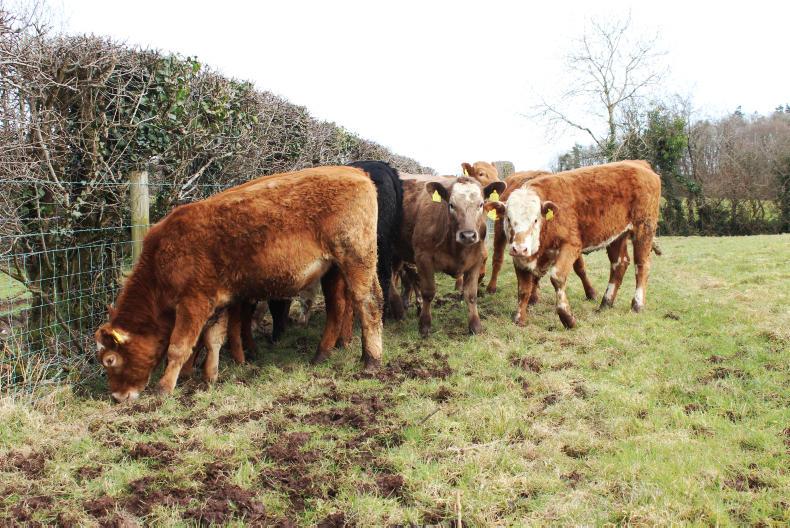
Thankfully, I have managed to get 16 spring-born 2017 heifers out to grass two weeks ago, which freed up housing space and eased silage demand. They were turned out to a 30-acre outfarm which is drier land and partly used for silage.
The heifers have been getting 2kg/day of ration at grass to help keep them settled. Even though the ground is drier, conditions are still tricky and have to be managed carefully.
The group has cleaned off the older and dead grass that accumulated over the autumn and winter period.
I am planning to serve around 14 heifers in this group with the other two heifers likely to be fattened next winter.
As I use 100% AI for breeding, the heifers can still be run as one group over the summer period, whereas this would not be an option if I used a stock bull.
Autumn herd
The autumn herd was scanned a couple of months back and there are 29 in-calf animals, which breaks down to 20 cows and nine heifers.
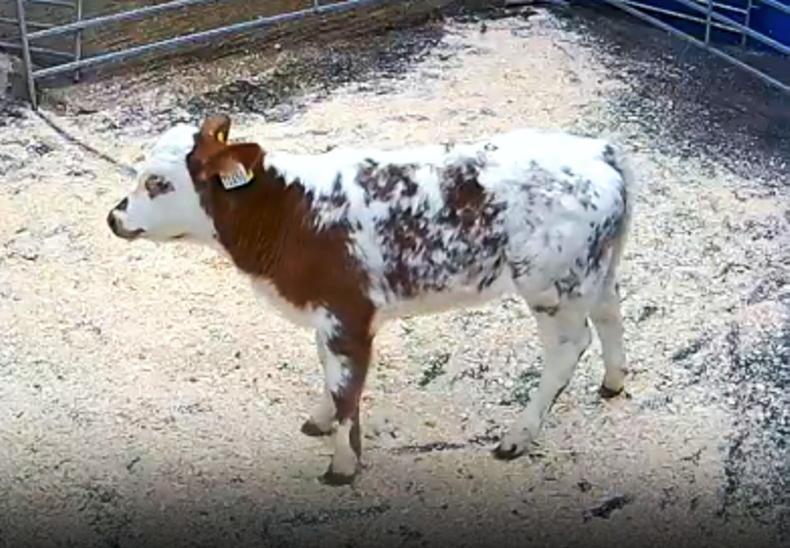
Calving will start in August and finish in early to mid-September, which is similar to last year. I have just started weaning autumn calves this week, starting with bull calves.
The bulls have access to a separate creep area where they can access silage and meals. They were being offered up to 4kg/day of concentrates prior to weaning and were shut off from cows.
The cows were moved to a different pen and got a mix of silage and straw to dry them off properly.
Cows were unsettled for a day, but they quickly settled again, whereas the bulls were settled throughout the process.
The plan is to turn the bulls out to grass as soon as ground allows before re-housing in summer for intensive finishing.
Spring bulls
This leaves me with 14 bulls born last spring. The animals are now 12 months old and weighed 496kg at their last weighing on 14 March. They have gained 1.45kg/day over winter and are now moving on to ad-lib meals having been held on 4kg to 6kg/day of a growing ration over the winter period.
The bulls are also getting silage along with meal, but I am considering moving them on to straw during the final finishing phase. The plan is to have these bulls ready for slaughter by mid-June with a target carcase weight around 370kg. The spring bulls have performed really well in recent years as more AI sires have been used.
Last year, the spring-born bulls averaged 376kg deadweight at 15 months of age.
Read more
Forage register available to farmers
In pictures: Cows a roaring trade at Bandon bank holiday sale
Spring has yet to materialise on the programme farms and silage reserves are coming under pressure with a delayed turnout.
On the farms with autumn-calving herds, weaning is taking place which is easing fodder demand and allowing more silage to be targeted to spring-calving cows which remain housed.
Autumn cows that scanned empty can now be sold at weaning, with most farmers opting to finish any cull cows.
Cows are being offered concentrates for a short period to improve condition prior to slaughter and ultimately increase the carcase value. Bulls which are being intensively finished are also moving on to ad-lib meals for the final 100 to 120 days prior to slaughter.
Ration type is changing from a 16% growing ration to a lower 12% to 13% ration which is higher in maize and starch to improve fat cover.
Fertiliser
Colder temperatures and heavy rainfall have stalled plans to get fertiliser on to grazing and silage ground in the past couple of weeks.
Where fertiliser has been applied, there has been a limited growth response, with younger swards which contain high levels of ryegrass being most responsive.
The nitrogen applied will still be present in soils and will be available for grass growth once temperatures rise.
Silage fertiliser is also normally spread by mid-April on the programme farms to target a harvesting date in late May.
If ground conditions permit, silage fertiliser will be applied as planned to maximise yield and silage quality.
Week in review
Spring-calving cows remain housed due to poor grazing conditions.Weather has limited fertiliser and slurry applications in recent weeks.Autumn cows are now being weaned to save on silage.End in sight for spring calving herd
Spring calving is drawing to a close on this farm with just four cows left to calve. Based on breeding and scanning dates, I would imagine these animals will calve inside the next two weeks.
I had 30 cows scanned in-calf for this spring with the first cow calving back on 18 February. Calving has been relatively smooth going with only one calf lost, but I was able to foster a twin calf on to the cow with little trouble.
To date, I have 26 cows on the ground with 27 live calves, which is pleasing.
Prior to calving, cows were on silage and pre-calving mineral. Once calved, they move on to ad-lib silage and 2kg/day of maize gluten rather than a complete ration.
I have been feeding gluten throughout winter to stretch supplies and it worked really well, so I have decided to stick with it for the spring cows.
Spring cows are calving to a mix of AI sires, mainly Angus, Limousin and Simmental sires which I have used in the past and have produced great calves from my cows.
Fertiliser
With ground conditions wet, there is little prospect of getting cows and calves out to grass for a week or two yet.
Silage is getting extremely tight on farm. I have been buying in additional silage from a neighbouring farm and I bought bales back in autumn which have now been used up.
No fertiliser has been spread on grazing ground yet as it has just been too wet and too cold to get any kind of response.
However, I managed to get slurry spread last month which relieved the pressure on storage tanks.
Grazing ground will receive 27-4-4 as soon as weather settles and temperatures start to pick up. Silage ground is usually closed up in early to mid-April and will get slurry and 24-6-12.
If weather conditions do not improve soon, then the first cut will be later this year which could impact on feed quality.
Grazing
Thankfully, I have managed to get 16 spring-born 2017 heifers out to grass two weeks ago, which freed up housing space and eased silage demand. They were turned out to a 30-acre outfarm which is drier land and partly used for silage.
The heifers have been getting 2kg/day of ration at grass to help keep them settled. Even though the ground is drier, conditions are still tricky and have to be managed carefully.
The group has cleaned off the older and dead grass that accumulated over the autumn and winter period.
I am planning to serve around 14 heifers in this group with the other two heifers likely to be fattened next winter.
As I use 100% AI for breeding, the heifers can still be run as one group over the summer period, whereas this would not be an option if I used a stock bull.
Autumn herd
The autumn herd was scanned a couple of months back and there are 29 in-calf animals, which breaks down to 20 cows and nine heifers.
Calving will start in August and finish in early to mid-September, which is similar to last year. I have just started weaning autumn calves this week, starting with bull calves.
The bulls have access to a separate creep area where they can access silage and meals. They were being offered up to 4kg/day of concentrates prior to weaning and were shut off from cows.
The cows were moved to a different pen and got a mix of silage and straw to dry them off properly.
Cows were unsettled for a day, but they quickly settled again, whereas the bulls were settled throughout the process.
The plan is to turn the bulls out to grass as soon as ground allows before re-housing in summer for intensive finishing.
Spring bulls
This leaves me with 14 bulls born last spring. The animals are now 12 months old and weighed 496kg at their last weighing on 14 March. They have gained 1.45kg/day over winter and are now moving on to ad-lib meals having been held on 4kg to 6kg/day of a growing ration over the winter period.
The bulls are also getting silage along with meal, but I am considering moving them on to straw during the final finishing phase. The plan is to have these bulls ready for slaughter by mid-June with a target carcase weight around 370kg. The spring bulls have performed really well in recent years as more AI sires have been used.
Last year, the spring-born bulls averaged 376kg deadweight at 15 months of age.
Read more
Forage register available to farmers
In pictures: Cows a roaring trade at Bandon bank holiday sale





SHARING OPTIONS