Since the eradication strategy of Mycoplasma bovis was announced by New Zealand at the end of May, 36 infected properties were documented. These premises are under quarantine, restricting the movement of stock and equipment. There are currently over 200 farms under assessment and restrictions are also in place for these farms.
Mycoplasma bovis is a bacterial disease, which can cause untreatable mastitis, pneumonia, arthritis and late-term abortions. It is secreted through bodily fluid and is passed on in times of stress. It is possible for animals to be carriers and not be affected and it is not naturally occurring in New Zealand.
Compensation and cost
Where verifiable loss has been endured, farmers receive compensation. This will cover farms under movement restrictions, as well as herds directly affected by the disease. There have been 139 claims received by the MPI, with 46 to date having received some sort of compensation. The value of the assessed claims are €5.54m (NZ$9.7m). So far, €4.53m (NZ$7.6m) has been paid out.
Out of the 36 infected properties, 28 have had cattle culled. There are varying degrees of compensation to farmers available. Restrictions have been lifted from 115 farms so far after they tested negative. The approximate full cost of the eradication is unknown and the true cost will be hard to calculate, as affected milk output would need to be factored in.
National cull
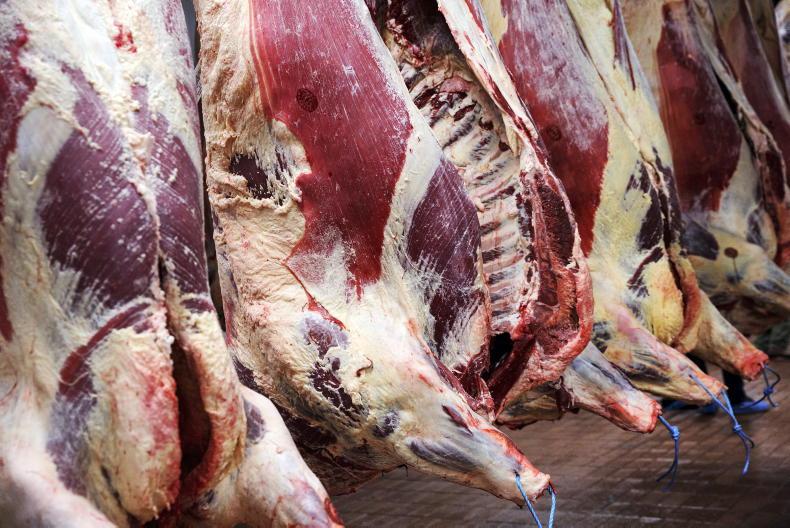
To date, 24,384 animals have been culled. Culling infected animals is described as a critical control measure. It is believed that the disease is confined to a network of farms which are linked by animal movements. The decision for widespread culling has been supported by industry leaders in New Zealand. There is a potential that over 100,000 cattle will be culled over 10 years to fully eradicate the disease.
Read more
More than 20,000 cattle to be culled in New Zealand
New Zealand government plans cattle cull
Since the eradication strategy of Mycoplasma bovis was announced by New Zealand at the end of May, 36 infected properties were documented. These premises are under quarantine, restricting the movement of stock and equipment. There are currently over 200 farms under assessment and restrictions are also in place for these farms.
Mycoplasma bovis is a bacterial disease, which can cause untreatable mastitis, pneumonia, arthritis and late-term abortions. It is secreted through bodily fluid and is passed on in times of stress. It is possible for animals to be carriers and not be affected and it is not naturally occurring in New Zealand.
Compensation and cost
Where verifiable loss has been endured, farmers receive compensation. This will cover farms under movement restrictions, as well as herds directly affected by the disease. There have been 139 claims received by the MPI, with 46 to date having received some sort of compensation. The value of the assessed claims are €5.54m (NZ$9.7m). So far, €4.53m (NZ$7.6m) has been paid out.
Out of the 36 infected properties, 28 have had cattle culled. There are varying degrees of compensation to farmers available. Restrictions have been lifted from 115 farms so far after they tested negative. The approximate full cost of the eradication is unknown and the true cost will be hard to calculate, as affected milk output would need to be factored in.
National cull
To date, 24,384 animals have been culled. Culling infected animals is described as a critical control measure. It is believed that the disease is confined to a network of farms which are linked by animal movements. The decision for widespread culling has been supported by industry leaders in New Zealand. There is a potential that over 100,000 cattle will be culled over 10 years to fully eradicate the disease.
Read more
More than 20,000 cattle to be culled in New Zealand
New Zealand government plans cattle cull







SHARING OPTIONS