The paper code cannot be redeemed when browsing in private/incognito mode. Please go to a normal browser window and enter the code there
Heatwave advice: top five beef tips - Premium
menusearch
close
Heatwave advice: top five beef tips
With no rain forecast for the next seven days, Anthony Mulligan outlines the steps that can be taken on beef farms to maintain animal performance and the grazing rotation.
Weather-wise, 2018 has really been a case of one extreme to another. Inclement weather conditions in the spring prevented early turnout of cattle and now in June a prolonged dry period has nearly stalled grass growth. The following tips could be beneficial on beef farms this week.
1 Use paddocks that have been left for surplus bales as grazing pasture. Use a strip-grazing system to best utilise grass and to achieve greater clean-outs.
2 Be wary of sunstroke in animals. Some early symptoms include animals that have their mouths open and are breathing hard, show signs of lethargy with their heads low as well increased salivation. Affected animals then become too weak with flaccid muscles and eventually are unable to rise. Consult your vet if you think that your animals are suffering from heat stroke. Keep cattle in sheltered paddocks with adequate water access on warm days.
3 Introduce a creep feeder or creep system to feed meal to calves. Suckler calves will have performed well on the most farms, with the good grazing year up until now, and keeping up their performance over this slow growing period should now be the priority.
4 Feed surplus bales in paddocks – bales that would have been cut early in the summer. This will help to maintain the grazing rotation. It would not be recommended to use bales that have been cut in the last few days as these bales will heat in paddocks and cattle will not eat them.
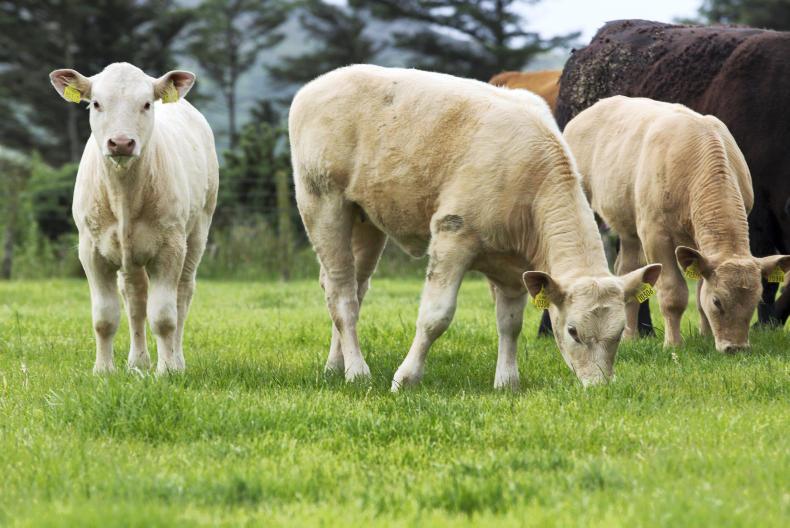
Suckler calves will have performed well on the most farms and keeping up their performance over this slow growing period should now be the priority.
ADVERTISEMENT
5 Compound fertiliser should not be forgotten. The previous good growing period will have greatly diminished nutrients in the soil, with most of it been used to grow grass plants over a short period and in a lot of cases this would have been taken out as surplus bales. One and half bags of 18-6-12 per acre would be recommended for these paddocks.
This content is available to digital subscribers and loyalty code users only. Sign in to your account, use the code or subscribe to get unlimited access.
However, if you would like to share the information in this article, you may use the headline, summary and link below:
Title: Heatwave advice: top five beef tips
With no rain forecast for the next seven days, Anthony Mulligan outlines the steps that can be taken on beef farms to maintain animal performance and the grazing rotation.
The reader loyalty code gives you full access to the site from when you enter it until the following Wednesday at 9pm. Find your unique code on the back page of Irish Country Living every week.
CODE ACCEPTED
You have full access to the site until next Wednesday at 9pm.
CODE NOT VALID
Please try again or contact support.
Weather-wise, 2018 has really been a case of one extreme to another. Inclement weather conditions in the spring prevented early turnout of cattle and now in June a prolonged dry period has nearly stalled grass growth. The following tips could be beneficial on beef farms this week.
1 Use paddocks that have been left for surplus bales as grazing pasture. Use a strip-grazing system to best utilise grass and to achieve greater clean-outs.
2 Be wary of sunstroke in animals. Some early symptoms include animals that have their mouths open and are breathing hard, show signs of lethargy with their heads low as well increased salivation. Affected animals then become too weak with flaccid muscles and eventually are unable to rise. Consult your vet if you think that your animals are suffering from heat stroke. Keep cattle in sheltered paddocks with adequate water access on warm days.
3 Introduce a creep feeder or creep system to feed meal to calves. Suckler calves will have performed well on the most farms, with the good grazing year up until now, and keeping up their performance over this slow growing period should now be the priority.
4 Feed surplus bales in paddocks – bales that would have been cut early in the summer. This will help to maintain the grazing rotation. It would not be recommended to use bales that have been cut in the last few days as these bales will heat in paddocks and cattle will not eat them.
Suckler calves will have performed well on the most farms and keeping up their performance over this slow growing period should now be the priority.
5 Compound fertiliser should not be forgotten. The previous good growing period will have greatly diminished nutrients in the soil, with most of it been used to grow grass plants over a short period and in a lot of cases this would have been taken out as surplus bales. One and half bags of 18-6-12 per acre would be recommended for these paddocks.
If you would like to speak to a member of our team, please call us on 01-4199525.
Link sent to your email address
We have sent an email to your address. Please click on the link in this email to reset your password. If you can't find it in your inbox, please check your spam folder. If you can't find the email, please call us on 01-4199525.
ENTER YOUR LOYALTY CODE:
The reader loyalty code gives you full access to the site from when you enter it until the following Wednesday at 9pm. Find your unique code on the back page of Irish Country Living every week.
SHARING OPTIONS