With temperatures increasing to over 30°C in the coming days, it’s important to be aware of the symptoms of heat stress. It occurs when an animal is unable to cool down naturally and results in elevated breathing. This can progress into pneumonia and if left untreated could result in livestock losses. Make sure animals have access to shade under trees or hedges. Opening doors of sheds where fields are adjacent could be an option, as animals will find it cooler to lie in open sheds. It’s also important to make sure there is adequate water provision. Water intakes will be higher and this will increase the risk of drinkers being tipped over. A cows daily water requirement could be as high as 80l of water/day on very hot days and cows can drink at the rate of 14l/minute when thirsty. Check stock regularly and make sure drinkers are working correctly around the farm.
Grass
ADVERTISEMENT
Grass is very tight on many farms around the country, especially in the east. With no rain forecast for the next few days, it’s important to take action early to avoid severe issues on your farm. Non-priority stock, like dry autumn-calving cows or cull cows, could be housed and fed silage to ease grass demand. Starting to feed meal earlier to cattle destined for finish later this year will also help. Creep-feeding calves will also decrease the impact of reduced milk yield in cows on bare pastures. If second-cut silage has been cut, you might be able to buy an extra few days grazing headlands. Sore eyes and scald can become an issue in the hot conditions, so keep a close eye on stock and herd regularly. Fertiliser spreading should be postponed until rain is forecast, as fertiliser will just sit on the top of the ground and there is an increased chance of losing the nitrogen in the current conditions. Topping paddocks should also cease until rain returns. Topping slows down regrowths and will put further pressure on grass supply.
Tullamore farm
On Tullamore farm heavier than normal covers are being grazed to stretch out supply. Taking these out for bales will result in slower regrowths. Pre-mowing some of these heavy covers for grazing could be an option on some farms and will help to increase grass utilisation. Grazing fields destined for second cut is also an option, but silage will still have to come from elsewhere for winter provision. Feeding hay/silage in paddocks will also help to slow things up.
Tractor Safety
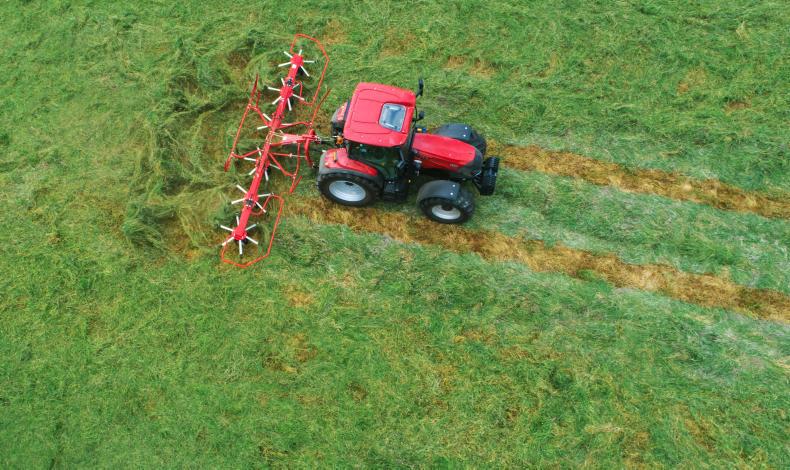
I have heard of a number of farm machines going on fire this week while working at hay. Take a minute and clean out any dry grass that has gathered around the engine or backend of the tractor while taking appropriate safety precautions. An air compressor for five minutes will do the job and reduce the risk of fire. Carrying a small fire extinguisher in the cab of the tractor is a good idea in case it’s needed in an emergency.
Register for free to read this story and our free stories.
This content is available to digital subscribers and loyalty code users only. Sign in to your account, use the code or subscribe to get unlimited access.
The reader loyalty code gives you full access to the site from when you enter it until the following Wednesday at 9pm. Find your unique code on the back page of Irish Country Living every week.
CODE ACCEPTED
You have full access to the site until next Wednesday at 9pm.
CODE NOT VALID
Please try again or contact support.
Heat stress
With temperatures increasing to over 30°C in the coming days, it’s important to be aware of the symptoms of heat stress. It occurs when an animal is unable to cool down naturally and results in elevated breathing. This can progress into pneumonia and if left untreated could result in livestock losses. Make sure animals have access to shade under trees or hedges. Opening doors of sheds where fields are adjacent could be an option, as animals will find it cooler to lie in open sheds. It’s also important to make sure there is adequate water provision. Water intakes will be higher and this will increase the risk of drinkers being tipped over. A cows daily water requirement could be as high as 80l of water/day on very hot days and cows can drink at the rate of 14l/minute when thirsty. Check stock regularly and make sure drinkers are working correctly around the farm.
Grass
Grass is very tight on many farms around the country, especially in the east. With no rain forecast for the next few days, it’s important to take action early to avoid severe issues on your farm. Non-priority stock, like dry autumn-calving cows or cull cows, could be housed and fed silage to ease grass demand. Starting to feed meal earlier to cattle destined for finish later this year will also help. Creep-feeding calves will also decrease the impact of reduced milk yield in cows on bare pastures. If second-cut silage has been cut, you might be able to buy an extra few days grazing headlands. Sore eyes and scald can become an issue in the hot conditions, so keep a close eye on stock and herd regularly. Fertiliser spreading should be postponed until rain is forecast, as fertiliser will just sit on the top of the ground and there is an increased chance of losing the nitrogen in the current conditions. Topping paddocks should also cease until rain returns. Topping slows down regrowths and will put further pressure on grass supply.
Tullamore farm
On Tullamore farm heavier than normal covers are being grazed to stretch out supply. Taking these out for bales will result in slower regrowths. Pre-mowing some of these heavy covers for grazing could be an option on some farms and will help to increase grass utilisation. Grazing fields destined for second cut is also an option, but silage will still have to come from elsewhere for winter provision. Feeding hay/silage in paddocks will also help to slow things up.
Tractor Safety
I have heard of a number of farm machines going on fire this week while working at hay. Take a minute and clean out any dry grass that has gathered around the engine or backend of the tractor while taking appropriate safety precautions. An air compressor for five minutes will do the job and reduce the risk of fire. Carrying a small fire extinguisher in the cab of the tractor is a good idea in case it’s needed in an emergency.
If you would like to speak to a member of our team, please call us on 01-4199525.
Link sent to your email address
We have sent an email to your address. Please click on the link in this email to reset your password. If you can't find it in your inbox, please check your spam folder. If you can't find the email, please call us on 01-4199525.
ENTER YOUR LOYALTY CODE:
The reader loyalty code gives you full access to the site from when you enter it until the following Wednesday at 9pm. Find your unique code on the back page of Irish Country Living every week.
SHARING OPTIONS