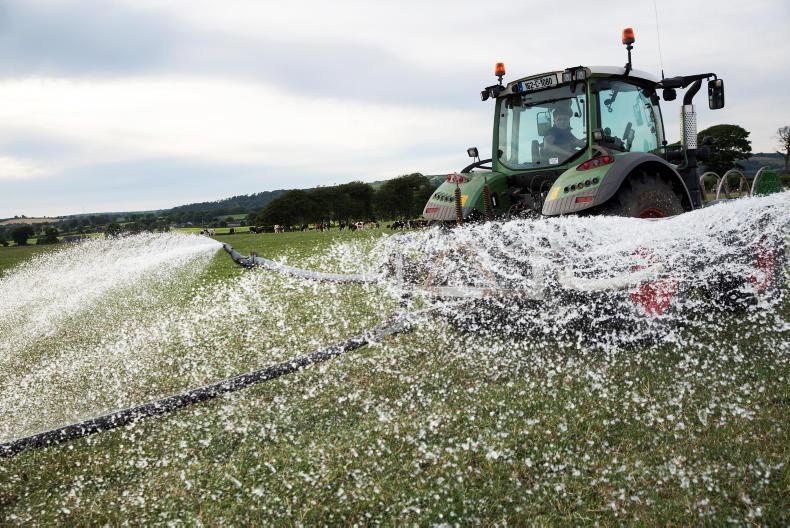
There is officially a drought in Ireland as soil moisture deficits exceed 75mm in parts of Leinster and remain above normal in other areas. Rain at the start of last week has left the northwest in a better position than the rest of the country.
No rain is forecast for the week ahead apart from possible thundery downpours at the weekend. The hottest temperature recorded so far this week was 30.3°C in Mount Dillon, Co Roscommon, on Wednesday.
There are fears over a lack of fodder being saved for next winter as farmers catch up with the wet spring this year. Farmers are grazing ground for second-cut silage or have opened the pit in an effort to keep stock fed.
Grass growth has dropped to 50kg DM/ha/day on average, but there are some as low as 6kg (see page 34). This will affect second-cut silage yield.
Mowers have gone into low fields where neither hay nor silage has been made in years due to wetness. Farmers continue to report lower than average yields with 10 or 11 bales/acre.
Prices range from €25 to €35 per round 4x4 or €2.50 to €3.50 each, collected from the field.
A fodder census will be conducted nationally over the next three weeks by Teagasc.
Meanwhile, feed mills are reporting a busy June as farmers feed more concentrates.
“Mills are busy, particularly on the dairy side,” said Pat Ryan from Liffey Mills. “It would have got quiet early this month but it has picked up again. People are reluctant to start feeding.”
Met Éireann said the potato crop can only survive with the intervention of artificial watering as drought conditions persist for the foreseeable future.
As grass supply tightens, some dairy farmers are drafting unproductive cows and finishers are selling smaller numbers of slaughter-fit cattle earlier than planned.
Read more
What do you need to fill out on your 2018 fodder plan?
There is officially a drought in Ireland as soil moisture deficits exceed 75mm in parts of Leinster and remain above normal in other areas. Rain at the start of last week has left the northwest in a better position than the rest of the country.
No rain is forecast for the week ahead apart from possible thundery downpours at the weekend. The hottest temperature recorded so far this week was 30.3°C in Mount Dillon, Co Roscommon, on Wednesday.
There are fears over a lack of fodder being saved for next winter as farmers catch up with the wet spring this year. Farmers are grazing ground for second-cut silage or have opened the pit in an effort to keep stock fed.
Grass growth has dropped to 50kg DM/ha/day on average, but there are some as low as 6kg (see page 34). This will affect second-cut silage yield.
Mowers have gone into low fields where neither hay nor silage has been made in years due to wetness. Farmers continue to report lower than average yields with 10 or 11 bales/acre.
Prices range from €25 to €35 per round 4x4 or €2.50 to €3.50 each, collected from the field.
A fodder census will be conducted nationally over the next three weeks by Teagasc.
Meanwhile, feed mills are reporting a busy June as farmers feed more concentrates.
“Mills are busy, particularly on the dairy side,” said Pat Ryan from Liffey Mills. “It would have got quiet early this month but it has picked up again. People are reluctant to start feeding.”
Met Éireann said the potato crop can only survive with the intervention of artificial watering as drought conditions persist for the foreseeable future.
As grass supply tightens, some dairy farmers are drafting unproductive cows and finishers are selling smaller numbers of slaughter-fit cattle earlier than planned.
Read more
What do you need to fill out on your 2018 fodder plan?





SHARING OPTIONS