



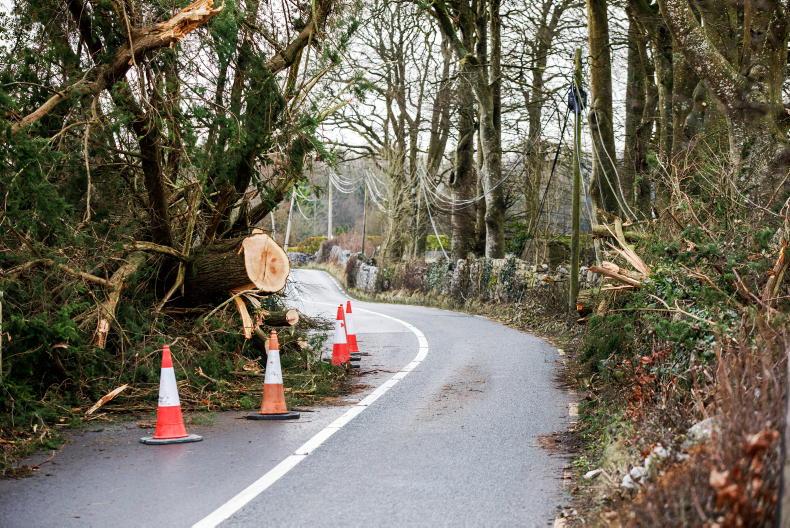
On the morning of 28 June 2012, a friend called up to me to say the road was gone. No, it’s not a line from Fr Ted, the road leading from the entrance to the farm to the beach had been washed out to sea.
It was like something from a different world. Following the remains of it down towards the beach I found bits of tarmac washed under boats that had been hauled up from the shore line. There was a 2ft-deep trench cut through the gravel beach. The force of the water exposed the rock foundation of the beach. It’s a stark contrast to the same time this year.
I’ll be trialling a bit of chicory and plantain in the reseeding programme this year. If I knew this dry spell was coming, I would have got them in sooner and reaped the benefits.
Both plants have a degree of drought tolerance so they will be targeted at paddocks that dry out a bit faster. Some of the mixtures contain perennial ryegrass, white clover and plantain while the rest have chicory added as well. It’s interesting to look at what plants are thriving at the moment.
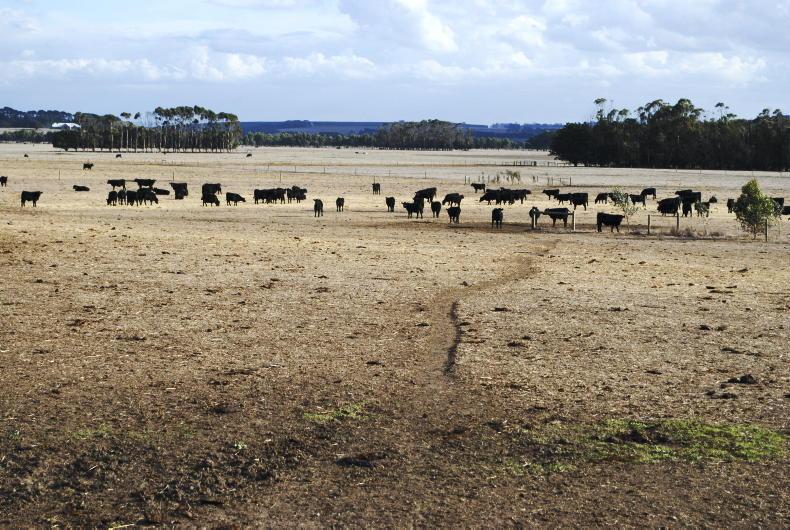
Wild plantain is holding its own and of course docks with their tap roots are flying. A dew on calmer mornings is keeping things just about ticking over. Silage is now being fed to the breeding group and with TB testing on the cards for next week, it will be fed to both groups of cows once the culls are on the yard side of the road.
Grass growth on the home block which is predominantly south-facing is down at 19kg/day.
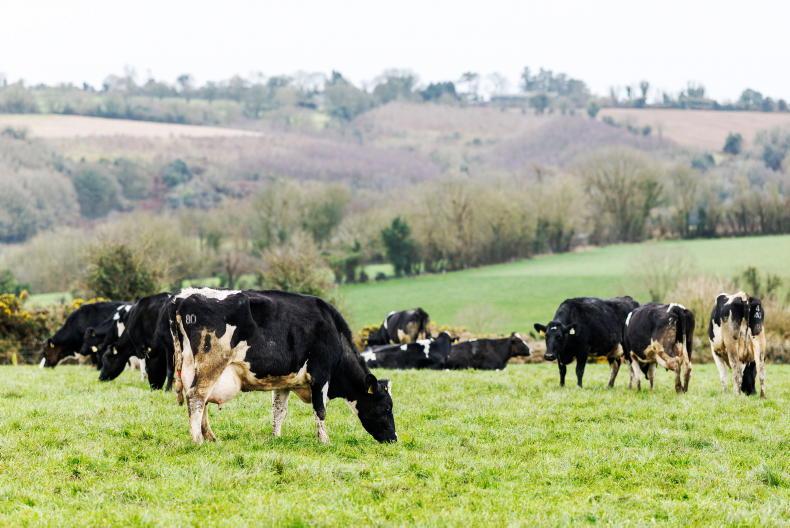
A mile up the road to the north facing ground where the cull heifers are, grass is growing at a rate of 49kg/day. To facilitate easier silage-making that block is stocked lower until August.
On that 20ac, there are two old pump houses and a large rain water collection tank that my grandfather built. The second well was sunk because the first one went dry most summers.
My grandmother and grandaunt who were reared on the farm here, often spoke of dry summers and issues with water. One neighbouring family used to have to walk their cows through a right of way on this farm to get to water. Thankfully, we no longer have to queue up at Tobar na Feochadain, the well of the thistles, for hours to fill barrels and churns of water daily.
The well was covered in when the land was leased out in the 90s but some of the steps to it are still visible. We take piped water for granted and it makes farming life easier but it’s still relatively new.
On 4 July 1980, the Ardfield group water scheme was launched and much hardship was eased.
After numerous attempts since the 1930s to get piped water in the parish it wasn’t until 1976 when a local committee under the chairmanship of future ICMSA president Con Scully took matters into their own hands. My grandfather was one of those involved and I still have the receipt books for the money they collected from every household to help fund it.
Following an order from a local government official to the contractor not to go ahead with the scheme on 8 January 1978, the committee proceeded to order the materials regardless and got the contractor to start the following day.
Six weeks later, they received the notice from the council to go ahead with the scheme.



SHARING OPTIONS