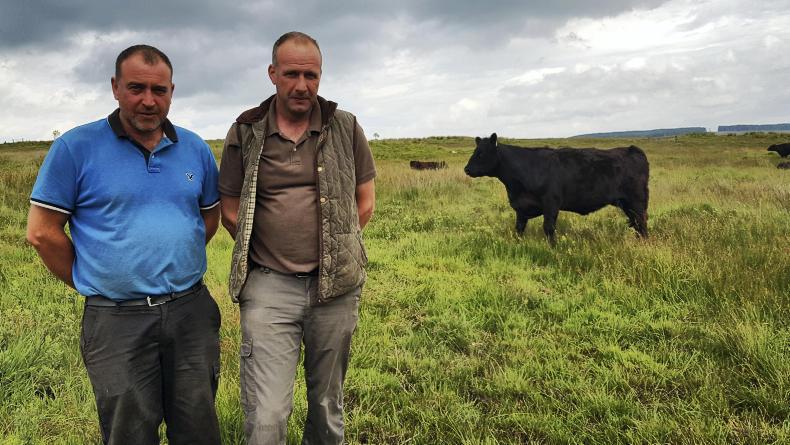
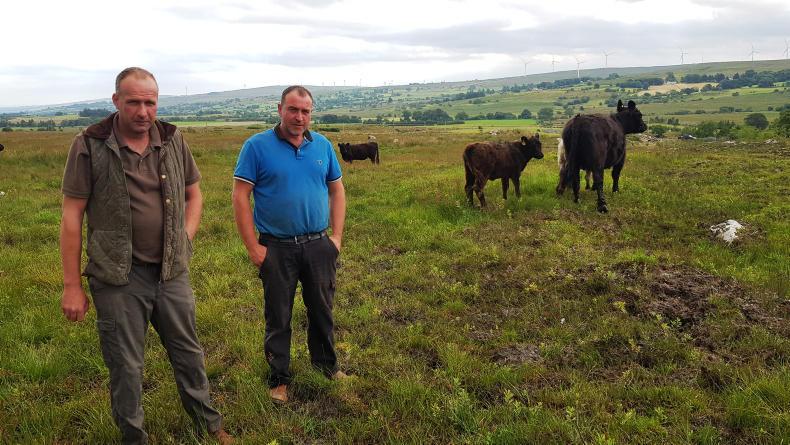
I farm: “900ac of mostly hill ground with my brother Barry. We run 300 Blackface Lanark ewes, 150 Cheviot ewes and 60 Galloway cows. Most male calves are finished as bullocks, but some are sold as pedigree bulls. Heifers are either sold for breeding or kept for replacements.”
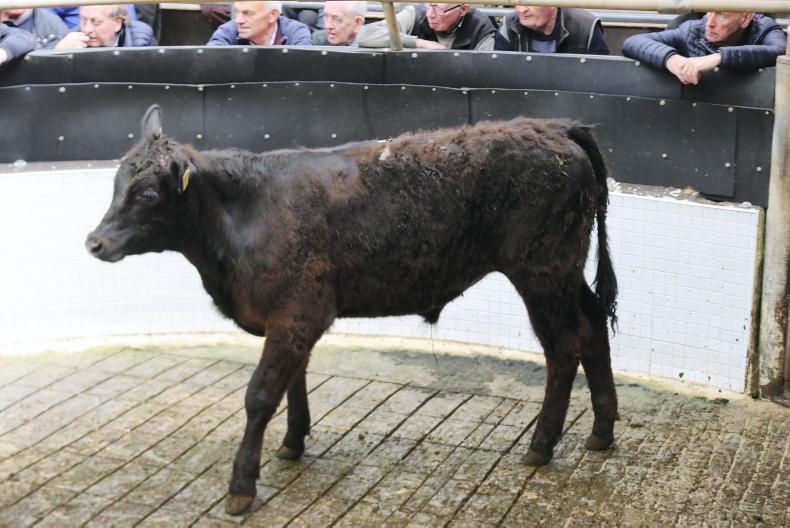
Galloways: “We have only kept cattle since 2010. We wanted cattle that would graze areas of the hill that were not being grazed properly by sheep and were becoming overgrown. The Galloways sourced from Scotland have improved the condition of vegetation on the hill and increased farm output at the same time.”
ADVERTISEMENT
This week: “Growth has held up well in the northwest so far this summer. We baled silage on a few fields close to the farmyard this week. Cattle are outwintered on the hill and the bales will be fed as a supplement from mid-November onwards.”
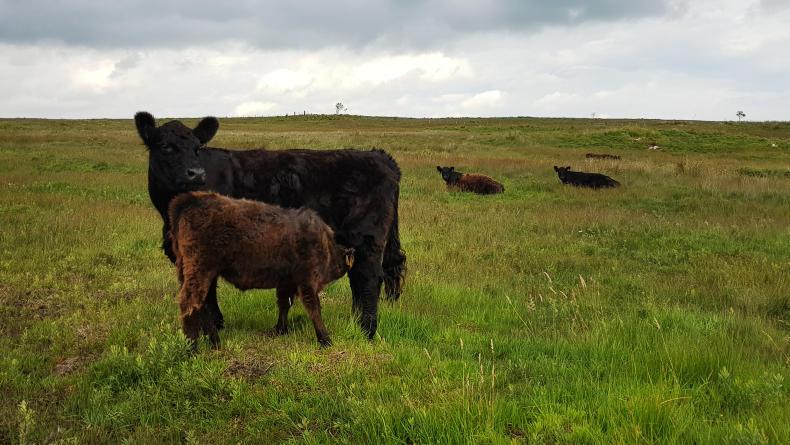
Cows: “Our cows have a mature liveweight of 500kg to 550kg and the cattle are able to graze mountain grasses, heather and soft rushes throughout the year. During the winter, cattle also graze other areas of the hill and eat white grasses and harder rushes.”
Low input: “We run all cattle on a low-input system on the hill. Bullocks are finished between 24 and 30 months of age and only get concentrates from around eight to 12 weeks before slaughter. They are usually finished at around 620kg to 630kg liveweight and produce a 320kg to 330kg carcase.”
Tullamore Show: “The Galloway Cattle Society will be at the Tullamore Show for the first time this year and we are taking a pedigree cow and calf to show on the stand. We think other hill farmers could get more from their upland ground with the right cattle.”
Quotable quote: “A standard suckler cow would be no use on our hill ground. With the lack of shelter and the quality of grazing available, it would simply not work. It takes a hardy breed to do a good job on the mountain.”
Register for free to read this story and our free stories.
This content is available to digital subscribers and loyalty code users only. Sign in to your account, use the code or subscribe to get unlimited access.
The reader loyalty code gives you full access to the site from when you enter it until the following Wednesday at 9pm. Find your unique code on the back page of Irish Country Living every week.
CODE ACCEPTED
You have full access to the site until next Wednesday at 9pm.
CODE NOT VALID
Please try again or contact support.
I farm: “900ac of mostly hill ground with my brother Barry. We run 300 Blackface Lanark ewes, 150 Cheviot ewes and 60 Galloway cows. Most male calves are finished as bullocks, but some are sold as pedigree bulls. Heifers are either sold for breeding or kept for replacements.”
Galloways: “We have only kept cattle since 2010. We wanted cattle that would graze areas of the hill that were not being grazed properly by sheep and were becoming overgrown. The Galloways sourced from Scotland have improved the condition of vegetation on the hill and increased farm output at the same time.”
This week: “Growth has held up well in the northwest so far this summer. We baled silage on a few fields close to the farmyard this week. Cattle are outwintered on the hill and the bales will be fed as a supplement from mid-November onwards.”
Cows: “Our cows have a mature liveweight of 500kg to 550kg and the cattle are able to graze mountain grasses, heather and soft rushes throughout the year. During the winter, cattle also graze other areas of the hill and eat white grasses and harder rushes.”
Low input: “We run all cattle on a low-input system on the hill. Bullocks are finished between 24 and 30 months of age and only get concentrates from around eight to 12 weeks before slaughter. They are usually finished at around 620kg to 630kg liveweight and produce a 320kg to 330kg carcase.”
Tullamore Show: “The Galloway Cattle Society will be at the Tullamore Show for the first time this year and we are taking a pedigree cow and calf to show on the stand. We think other hill farmers could get more from their upland ground with the right cattle.”
Quotable quote: “A standard suckler cow would be no use on our hill ground. With the lack of shelter and the quality of grazing available, it would simply not work. It takes a hardy breed to do a good job on the mountain.”
If you would like to speak to a member of our team, please call us on 01-4199525.
Link sent to your email address
We have sent an email to your address. Please click on the link in this email to reset your password. If you can't find it in your inbox, please check your spam folder. If you can't find the email, please call us on 01-4199525.
ENTER YOUR LOYALTY CODE:
The reader loyalty code gives you full access to the site from when you enter it until the following Wednesday at 9pm. Find your unique code on the back page of Irish Country Living every week.





SHARING OPTIONS