




All of the country got some badly needed rain over the past week. Quantities vary from 20mm in Tipperary to 30mm in Cork and up to 40mm in Wexford.
While this rain was badly wanted, all eyes will be on what happens over the coming week. There is rain in the forecast, but quantities will be less and it will be more sporadic.
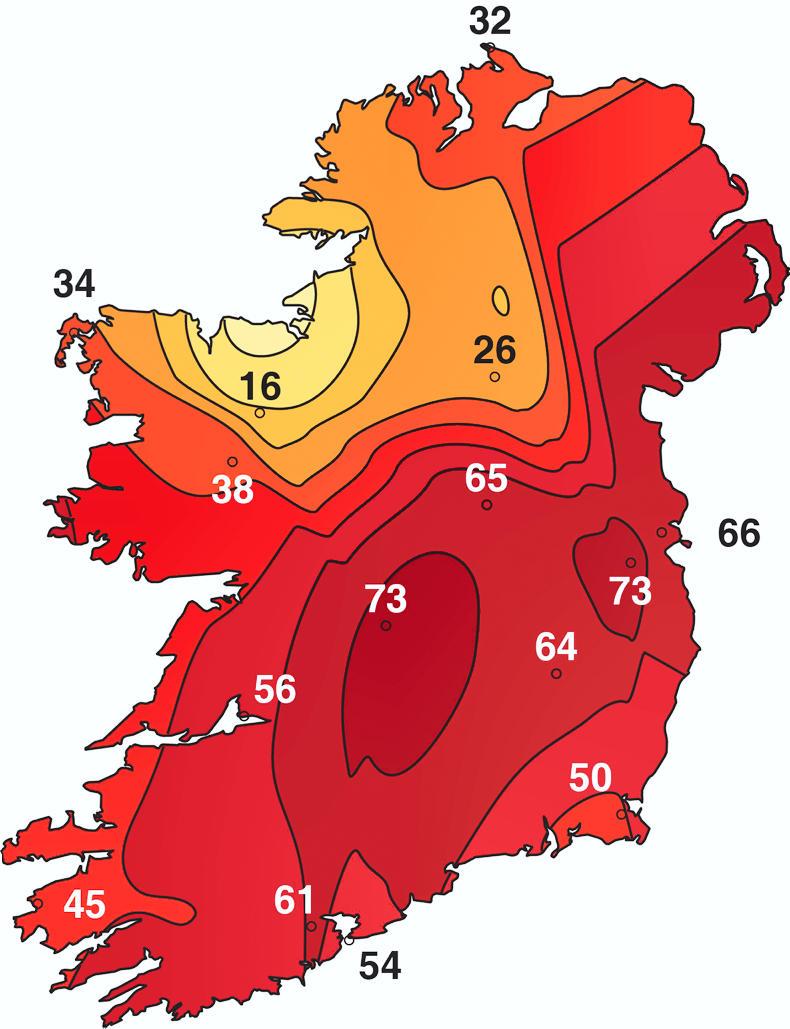
With soil moisture deficits approaching 90mm in the worst-affected parts, more rain will be needed to bring the deficits back to the normal range of about 30mm to 40mm. However, the pattern of rain is as important as the quantity. We need soft weather over the next few weeks or else the moisture will be lost through evapotranspiration.
Fertiliser
Many farmers are asking about fertiliser. Teagasc soil scientists are advising farmers badly affected by the drought not to spread straight away, saying there is enough nitrogen in the soil.
There is always some nitrogen in the soil, but the levels are higher after a drought due to a buildup of dead plant material, dung, urine patches and mineralisation.
The fertiliser advice for fields badly affected by the drought is to hold on spreading nitrogen straight away, as it is not needed.
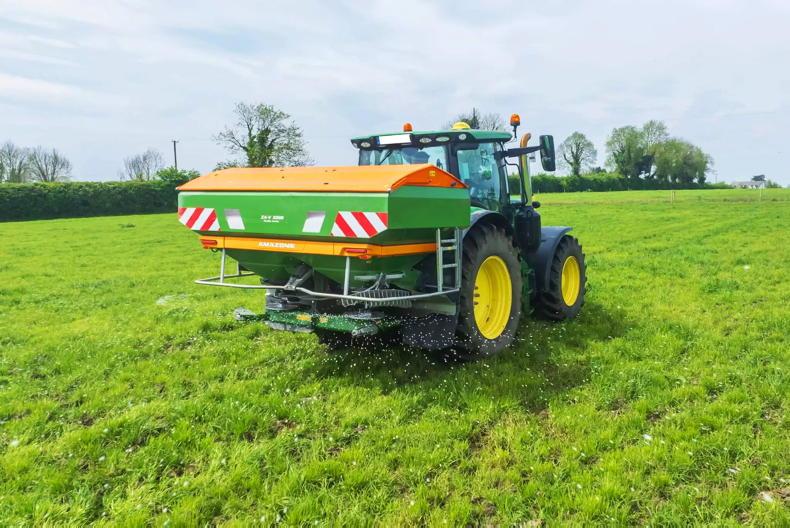
The time to spread is a week or two weeks’ time when the residual nitrogen has been used up for grass growth. At this point, one bag/acre of CAN or equivalent should be spread.
However, the dilemma is that there is rain coming this week, which will wash in fertiliser. Some people are saying the weather is going to get dry again, but, as we know, meteorologists can only predict the weather five to seven days ahead.
50/50 call
In my view, it’s a 50/50 call as to whether spreading fertiliser now will give a benefit. If we continue to get some rain every week into August, then I wouldn’t spread.
But if it turns dry again, then I would be inclined to spread in advance of the rain. However, I would only spread at half-rate (15 units/acre).
On farms that were not as badly affected by the drought and kept growing throughout, normal fertiliser policy should apply.




SHARING OPTIONS