


Bloat
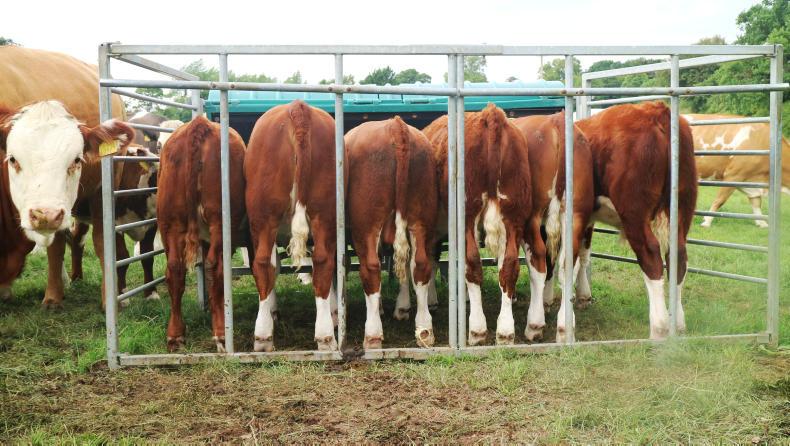
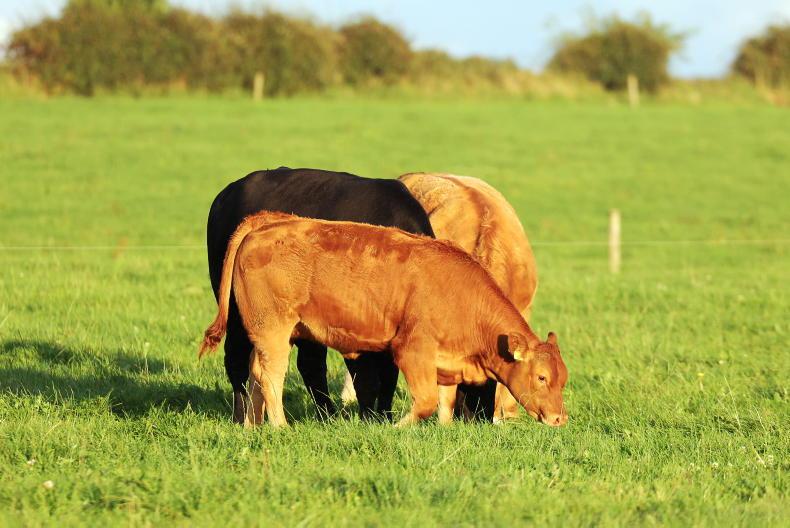
The return of good growth has resulted in a high level of lush, leafy pastures on farms. Where stock are coming off a restricted plane of nutrition for the past number of weeks, be vigilant when turning these groups on to very lush grass covers, particularly those with a high clover content. I have heard some reports of cattle swelling-up on very fresh grass, from mature cows right down to weanlings. To prevent bloat I would recommend strip grazing lush pastures, at least until animals become accustomed to high volumes of grass once again. A feeder with silage, hay or straw wouldn’t do any harm either, particularly with nights getting cold and grass tetany also a risk. You would be surprised that in places where feeders are out, cattle will be seen walking away from fresh grass to take a mouthful of roughage in the evening times and early in the mornings.
Worm treatment
The risk of worm burdens has also increased with recent heavy growth. Where fields have been grazed extremely bare or where paddocks were used as sacrifice paddocks, worm populations would have been increasing rapidly. With the onset of wet and mild conditions, these worm populations had the perfect climate to mature. With that in mind, a worm treatment for all youngstock would be recommended. Spring calves should be priority in this case. These should have received one treatment for worms already and in many cases this may only be four to five weeks ago. While standard practice would be to leave intervals of at least six weeks between worm treatments, if calves are beginning to cough, now is the time to act. Where paddocks were used as sacrifice paddocks during the drought, hold off on grazing these as long as possible also.
Spring calves
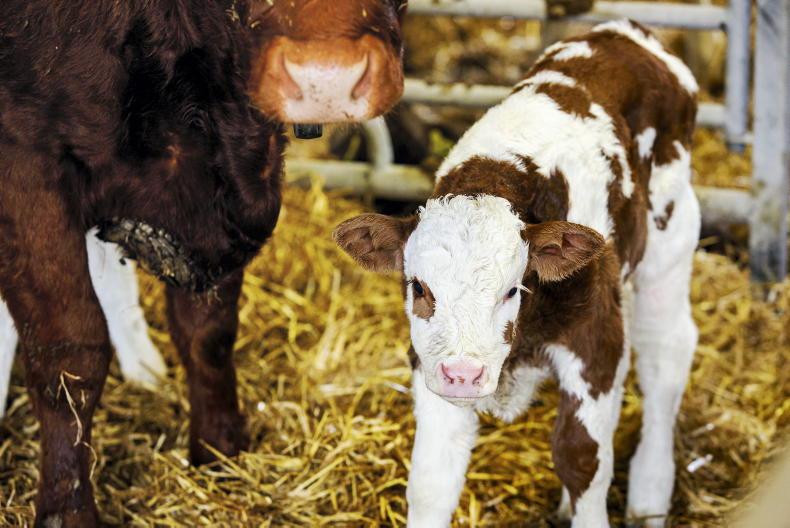
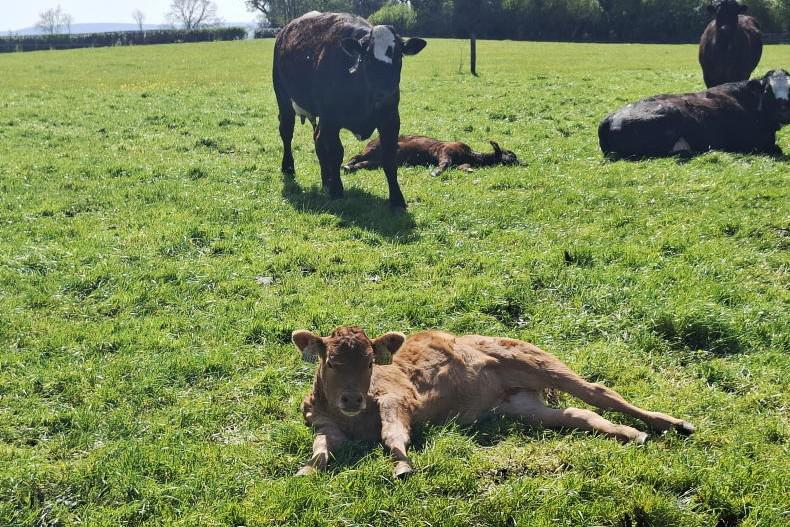
If spring calves are in the yard for a worm treatment, now is a good time to split the bulls and heifers. On many farms this has already been done, and rightly so, as early spring heifer calves have now been seen coming in heat. Be aware that, as many introduced calves to concentrates during the drought, there is a strong likelihood that heifer calves will begin cycling earlier this year than in other years.
Autumn calving vaccinations: As autumn calving continues, it is time to start thinking about the health of your autumn-calving herd. It is best to sit down now and pin-point the dates for administering vaccines over the coming months. Young calves should be receiving vaccines for clostridial diseases and it is also worth considering giving the first vaccination for pneumonia. On farms vaccinating for lepto, a good time to do these cows is the same time as calves are being vaccinated – then you will know the cow-calf combination has received its full vaccinations. Remember to pick a date for BVD vaccinating the whole herd prior to breeding. Finally, replacement heifers for the autumn herd should also be picked out and given their first vaccination for lepto – remember, depending what product you are using, they may need a booster before breeding also.


SHARING OPTIONS