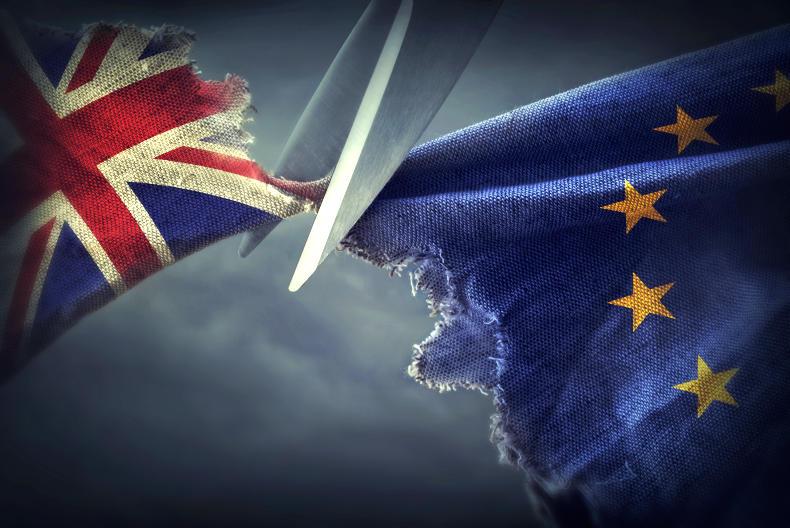
We have heard EU chief negotiator Michel Barnier say it many times: “The clock is ticking.” There are now just six months to go in the countdown to 11pm on 29 March 2019, the moment when the UK leaves the EU.
Withdrawal agreement
The current EU-UK negotiations are about trying to reach a withdrawal agreement. The draft treaty is over 80% agreed, with areas such as the financial settlement, citizens’ rights and a two-year “standstill” transition period all settled.
However, the remaining issues are the most difficult and they are crucial for the prospects of our agri-food sector and the livelihoods of Irish farmers. These are:
The practical arrangements required to avoid a hard border in Ireland while meeting the UK’s “backstop” commitment of last December that, if no other solution was agreed, then Northern Ireland would maintain regulatory alignment with the rules of the EU’s single market and customs union.The framework for the future EU-UK relationship including trade, which will be set out in a political declaration alongside the withdrawal agreement. Frictionless trade
The IFA is very clear that Irish farmers’ interests lie in maintaining full access and frictionless trade, both north-south and east-west between Ireland and Britain, while retaining the full value of the UK market.
The ideal way to achieve this would be for the UK to remain within the single market and customs union.
Chequers proposals
In July, the UK government announced its Chequers plan, which promised a free-trade area for goods under a “common rulebook” that would remove the need for customs checks.
The difficulty is that the detailed UK white paper failed to live up to what was promised and there are serious shortcomings in the UK’s commitments on both trade policy and standards.
The document maintains that on agri-food products: “The UK would be able … to change tariffs and [import] quotas in the future.”
This would open the door to Britain directly competing with the EU in future trade deals, undercutting EU import tariffs and opening up additional import quotas to the US, Mercosur, Australia, New Zealand, Canada, etc.
On standards too, the common rulebook’s commitments cover “only those rules necessary to provide for frictionless trade at the border”.
This falls short of full regulatory alignment with EU standards.
It is clear to the IFA that the UK is aiming to avoid compliance with EU regulations on marketing, labelling, GMOs, pesticides, geographic indications, food fraud and other CAP requirements in ways that would give its producers clear competitive advantages and undermine the value of the UK market.
The IFA supports Michel Barnier in the objections he has made around these issues. But the UK cannot have its cake and eat it. It would be a licence to pursue a cheap food policy that would destroy the value of Irish beef on the UK market and drag down the EU market.
IFA position
We have put our concerns on the record to An Tánaiste and Minister for Foreign Affairs Simon Coveney and to Minister for Agriculture Michael Creed following publication of the UK white paper.
Our position is that we want to see no hard border on the island of Ireland, no border in the Irish Sea and no scope for the UK to pursue a cheap food policy.
For this to happen and to secure a withdrawal agreement, the UK needs to drop its Chequers double-think and commit to full ongoing alignment with EU food safety, animal health/welfare and environmental standards and with the common external tariff and import quotas for agri-food.
The IFA has set out to the Government the need to prepare for all possible scenarios as the Brexit negotiations continue. Irish farmers will require direct Government and EU support measures, including:
A special purpose fund to offset the negative impacts from Brexit that is scalable depending on the outcome, from a soft Brexit up to a no-deal scenario. This would provide scope for structural and adjustment measures including direct producer sectoral and targeted supports, basic payment top-ups, emergency market supports, etc, and take full account of the additional costs on Irish farmers and food exporters arising from the devaluation of the UK market.
Direct income aid to farmers in the event of sterling devaluation – on the basis that even a small fall in sterling beyond 90p to the euro could wipe out producer margins.We have also highlighted the need for an increased CAP budget to make up for the loss of the UK contribution and strongly opposed any concessions by the EU in trade negotiations – such as Mercosur – which would be damaging for Irish farmers.
We have heard EU chief negotiator Michel Barnier say it many times: “The clock is ticking.” There are now just six months to go in the countdown to 11pm on 29 March 2019, the moment when the UK leaves the EU.
Withdrawal agreement
The current EU-UK negotiations are about trying to reach a withdrawal agreement. The draft treaty is over 80% agreed, with areas such as the financial settlement, citizens’ rights and a two-year “standstill” transition period all settled.
However, the remaining issues are the most difficult and they are crucial for the prospects of our agri-food sector and the livelihoods of Irish farmers. These are:
The practical arrangements required to avoid a hard border in Ireland while meeting the UK’s “backstop” commitment of last December that, if no other solution was agreed, then Northern Ireland would maintain regulatory alignment with the rules of the EU’s single market and customs union.The framework for the future EU-UK relationship including trade, which will be set out in a political declaration alongside the withdrawal agreement. Frictionless trade
The IFA is very clear that Irish farmers’ interests lie in maintaining full access and frictionless trade, both north-south and east-west between Ireland and Britain, while retaining the full value of the UK market.
The ideal way to achieve this would be for the UK to remain within the single market and customs union.
Chequers proposals
In July, the UK government announced its Chequers plan, which promised a free-trade area for goods under a “common rulebook” that would remove the need for customs checks.
The difficulty is that the detailed UK white paper failed to live up to what was promised and there are serious shortcomings in the UK’s commitments on both trade policy and standards.
The document maintains that on agri-food products: “The UK would be able … to change tariffs and [import] quotas in the future.”
This would open the door to Britain directly competing with the EU in future trade deals, undercutting EU import tariffs and opening up additional import quotas to the US, Mercosur, Australia, New Zealand, Canada, etc.
On standards too, the common rulebook’s commitments cover “only those rules necessary to provide for frictionless trade at the border”.
This falls short of full regulatory alignment with EU standards.
It is clear to the IFA that the UK is aiming to avoid compliance with EU regulations on marketing, labelling, GMOs, pesticides, geographic indications, food fraud and other CAP requirements in ways that would give its producers clear competitive advantages and undermine the value of the UK market.
The IFA supports Michel Barnier in the objections he has made around these issues. But the UK cannot have its cake and eat it. It would be a licence to pursue a cheap food policy that would destroy the value of Irish beef on the UK market and drag down the EU market.
IFA position
We have put our concerns on the record to An Tánaiste and Minister for Foreign Affairs Simon Coveney and to Minister for Agriculture Michael Creed following publication of the UK white paper.
Our position is that we want to see no hard border on the island of Ireland, no border in the Irish Sea and no scope for the UK to pursue a cheap food policy.
For this to happen and to secure a withdrawal agreement, the UK needs to drop its Chequers double-think and commit to full ongoing alignment with EU food safety, animal health/welfare and environmental standards and with the common external tariff and import quotas for agri-food.
The IFA has set out to the Government the need to prepare for all possible scenarios as the Brexit negotiations continue. Irish farmers will require direct Government and EU support measures, including:
A special purpose fund to offset the negative impacts from Brexit that is scalable depending on the outcome, from a soft Brexit up to a no-deal scenario. This would provide scope for structural and adjustment measures including direct producer sectoral and targeted supports, basic payment top-ups, emergency market supports, etc, and take full account of the additional costs on Irish farmers and food exporters arising from the devaluation of the UK market.
Direct income aid to farmers in the event of sterling devaluation – on the basis that even a small fall in sterling beyond 90p to the euro could wipe out producer margins.We have also highlighted the need for an increased CAP budget to make up for the loss of the UK contribution and strongly opposed any concessions by the EU in trade negotiations – such as Mercosur – which would be damaging for Irish farmers.






SHARING OPTIONS