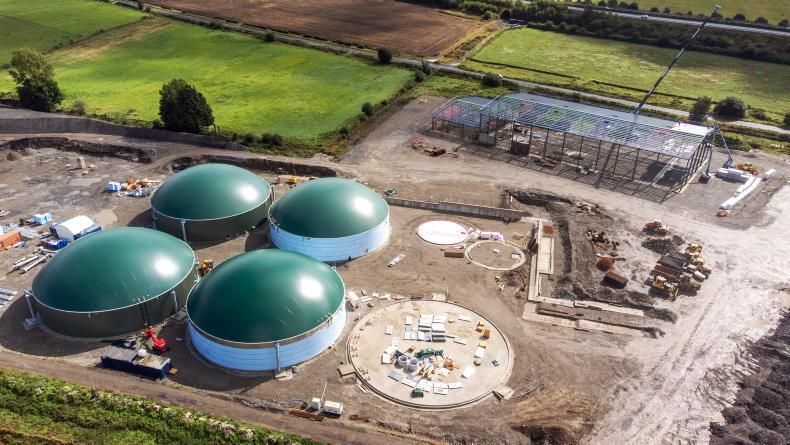
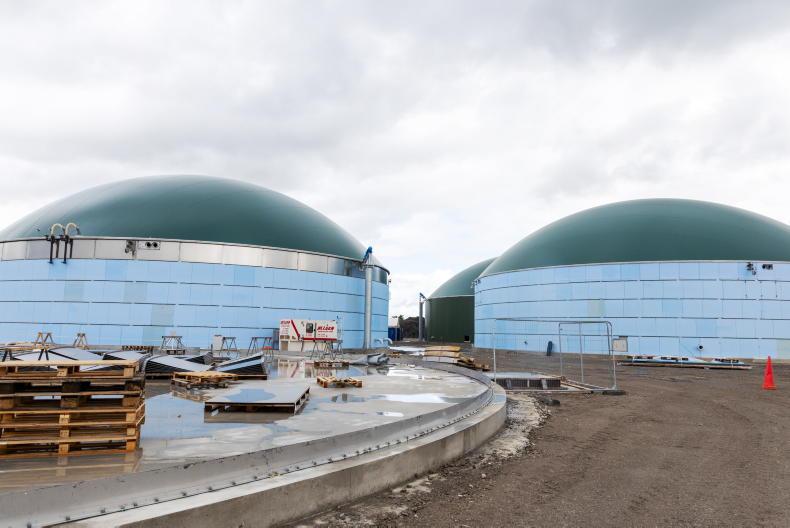
Anaerobic digester in France: the country has been connnecting three such plants to its gas grid every week. \ Grégory Brandel/GRDF
ADVERTISEMENT
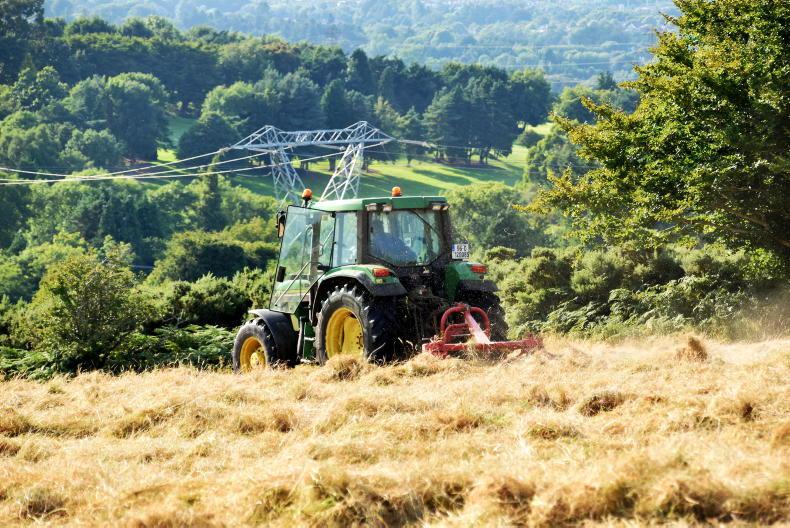
Introducing more clover and anaerobic digestion could boost grassland productivity while reducing its greenhouse gas emissions, according to the Sustainability Energy Authority of Ireland. “This scenario is very promising,” SEAI bioenergy programme manager Matthew Clancy told last Thursday’s European Biomethane Conference in Dublin. Use of red clover in grass swards and fertilisation with digestate from anaerobic digestion (AD) instead of synthetic fertiliser was found to achieve yields of 13tDM/ha while reducing emissions from grassland by 76%. The gas produced in the process could cover 2% of Ireland’s energy needs, he said, and AD demand for grass could help farmers reduce livestock numbers and emissions while keeping their income.
Industry leaders confirmed demand for green gas. “I would welcome every molecule of biomethane in our network,” said Ian O’Flynn, head of commercial at Gas Networks Ireland. Calor Gas Ireland has seen BioLPG achieve 47% of its three-year sales target within five months of its launch, chief executive Gino Vansteenhuyse said. While it is currently imported from the Netherlands, Vansteenhuyse said 25 suppliers were now offering to produce the renewable gas for Calor and he ultimately expected to have one in Ireland. The company plans to go 100% renewable by 2040.
ADVERTISEMENT
Demonstration plant
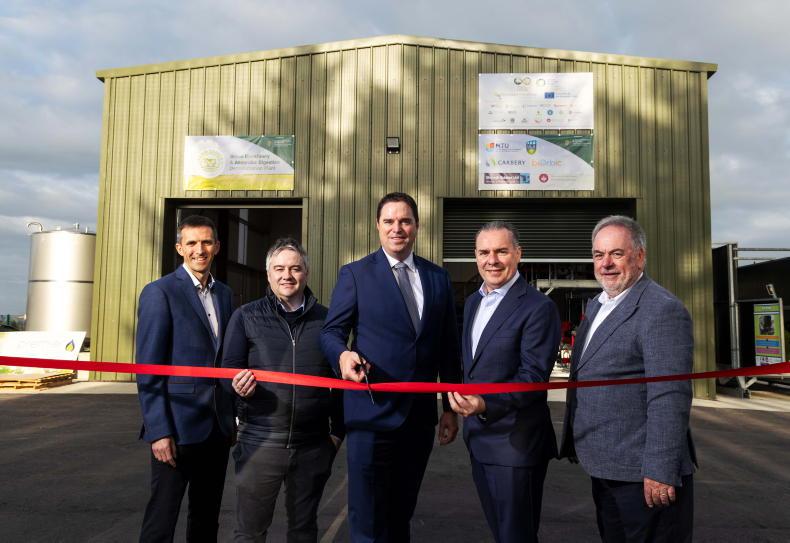
Minister for Agriculture Michael Creed addressed the first edition of the conference outside Germany, saying his Department and that of Climate Action were collaborating to consider “further potential for the agricultural sector to contribute to Ireland’s significant renewable energy and greenhouse gas targets”. He announced funding for a demonstration plant injecting biomethane from farms into the national grid in Co Cork. Guillaume Virmaux of the French gas network GrDF said it was connecting one plant to the grid every three weeks for the past two years, most of them on small farms thanks to targeted government support. “In the very near future, we’re looking at a biomethane scheme in Ireland” with an estimated 6,500 rural jobs potential, said PJ McCarthy, chair of the Renewable Gas Forum of Ireland.
This content is available to digital subscribers and loyalty code users only. Sign in to your account, use the code or subscribe to get unlimited access.
The reader loyalty code gives you full access to the site from when you enter it until the following Wednesday at 9pm. Find your unique code on the back page of Irish Country Living every week.
CODE ACCEPTED
You have full access to the site until next Wednesday at 9pm.
CODE NOT VALID
Please try again or contact support.
Introducing more clover and anaerobic digestion could boost grassland productivity while reducing its greenhouse gas emissions, according to the Sustainability Energy Authority of Ireland. “This scenario is very promising,” SEAI bioenergy programme manager Matthew Clancy told last Thursday’s European Biomethane Conference in Dublin. Use of red clover in grass swards and fertilisation with digestate from anaerobic digestion (AD) instead of synthetic fertiliser was found to achieve yields of 13tDM/ha while reducing emissions from grassland by 76%. The gas produced in the process could cover 2% of Ireland’s energy needs, he said, and AD demand for grass could help farmers reduce livestock numbers and emissions while keeping their income.
Industry leaders confirmed demand for green gas. “I would welcome every molecule of biomethane in our network,” said Ian O’Flynn, head of commercial at Gas Networks Ireland. Calor Gas Ireland has seen BioLPG achieve 47% of its three-year sales target within five months of its launch, chief executive Gino Vansteenhuyse said. While it is currently imported from the Netherlands, Vansteenhuyse said 25 suppliers were now offering to produce the renewable gas for Calor and he ultimately expected to have one in Ireland. The company plans to go 100% renewable by 2040.
Demonstration plant
Minister for Agriculture Michael Creed addressed the first edition of the conference outside Germany, saying his Department and that of Climate Action were collaborating to consider “further potential for the agricultural sector to contribute to Ireland’s significant renewable energy and greenhouse gas targets”. He announced funding for a demonstration plant injecting biomethane from farms into the national grid in Co Cork. Guillaume Virmaux of the French gas network GrDF said it was connecting one plant to the grid every three weeks for the past two years, most of them on small farms thanks to targeted government support. “In the very near future, we’re looking at a biomethane scheme in Ireland” with an estimated 6,500 rural jobs potential, said PJ McCarthy, chair of the Renewable Gas Forum of Ireland.
If you would like to speak to a member of our team, please call us on 01-4199525.
Link sent to your email address
We have sent an email to your address. Please click on the link in this email to reset your password. If you can't find it in your inbox, please check your spam folder. If you can't find the email, please call us on 01-4199525.
ENTER YOUR LOYALTY CODE:
The reader loyalty code gives you full access to the site from when you enter it until the following Wednesday at 9pm. Find your unique code on the back page of Irish Country Living every week.
SHARING OPTIONS