


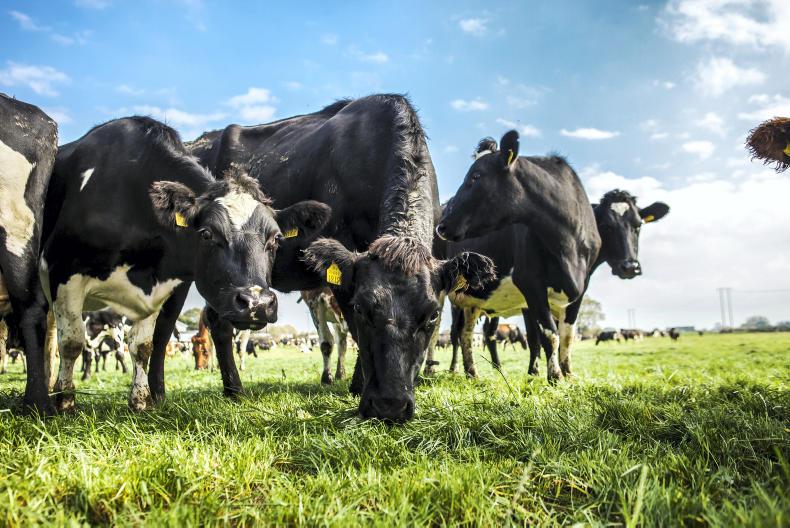
The full cost of the dry weather period is only now coming to light – one month after the rains have returned to Kilkenny. However, a good scan result on the herd, good milk production and an autumn boost to grass supply are the positives from a year like never before on the Greenfield Farm in Kilkenny. According to the last milk statement, annual milk supplies are back 20% compared with last year. The catch-up continues – it was 25% lower at the time of writing the last print report. Some queried afterwards why such a difference. The main reason is lower cow numbers. There were 350 milking for most of last year (360 at peak) compared with 330 cows at peak this year and 283 cows milking now as not-in-calf cows have already left the farm.
Snowfall affected spring grazing as cows calved. Also drought hit from June to September. That’s the story on the volume side. Milk sales will be further reduced by the fact that milk price is back 3 to 4c/litre (0.5 to 0.6 c/kg MS). On a per cow basis compared to 2017 up to the end of September production is back 35kg of milk solids per cow (c 10% or 341kg versus 305kg MS). At €4.50 per kilo milk solids that is €160 per cow less output to date.
Since the 10 September rains returned to the farm but it has not been possible to reduce supplement on grazed grass down to 2.5kg per cow until this week.
The business is lucky it created a reserve to have that money available rather than having to go back to the bank for more borrowing – a real lesson for startup dairy farms
Growth rate last week averaged near 60kg per day and 35kg for the last seven days. This has allowed farm cover to jump to 994kg last week and 957kg (400kg/cow) this week. Pre-grazing covers are now close to 2,000kg. The nitrogen potash mix no doubt helped give growth a good push. The whole farm got two bags to the acre of 21:0:10 in late September.
The drought cost
Similar to other dairy farms in the east, the drought has cost the farm about €380 per cow (€125,000) in extra feed cost over and above a normal grass supply year.
This cost is a combination of extra concentrate (700kg per cow at €300/t), extra forage and feeding equipment hire. In this calculation I’m not allowing any extra cost on the extra labour that was required, which was substantial.
For the first time this year we have three full-time labour units employed, reducing additional farm relief costs.
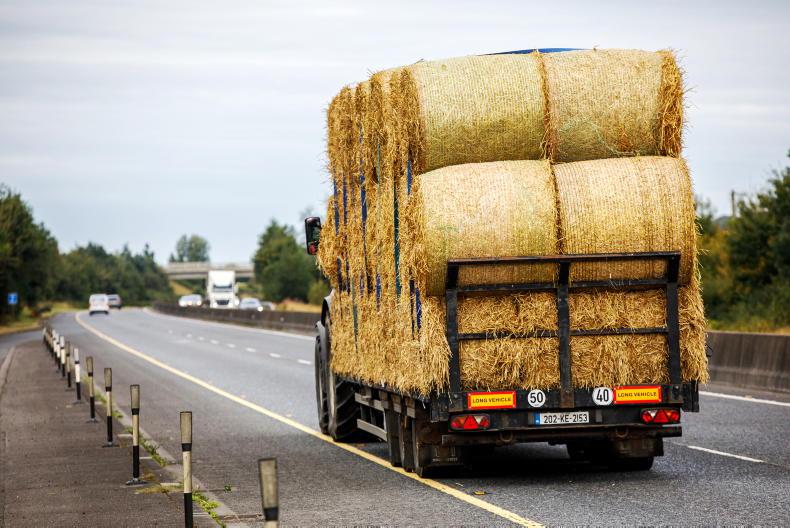
The net cost of the extra feed to the farm will be even greater as a large portion of the winter feed will be have to be purchased to replace the first-cut silage made on the farm which has already been consumed by the milking herd.
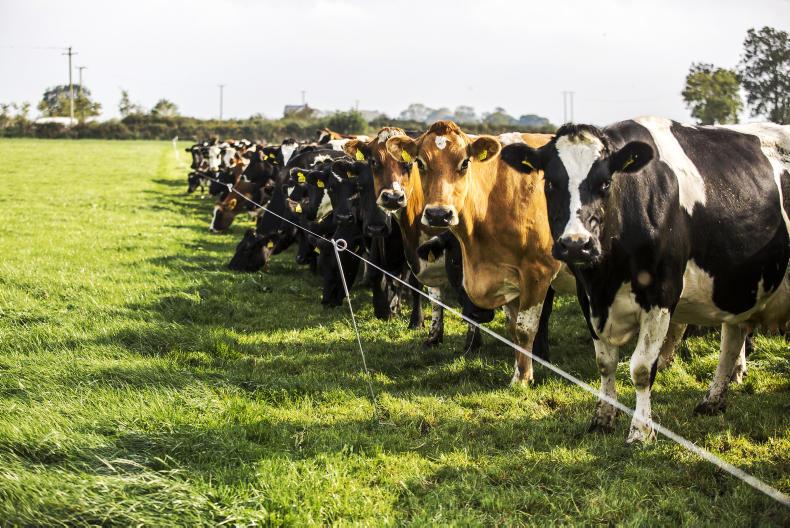
There will have to be 800 bales of silage purchased and cost will be €30 per bale plus transport so the farm business is looking at a cost of €35,000 at least for this. The reason is grass grown is down from 4t/ha (13.25t to 9.25t of dry matter) so there was a 480t feed gap to fill.
The cost will be funded by drawing down money that was lodged in a capital account (the rainy day fund). The business is lucky it created a reserve to have that money available rather than having to go back to the bank for more borrowing – a real lesson for startup dairy farms. Borrowing would have been an option, but with €440,000 still outstanding on a long-term loan, the less borrowed the better for the business.
Capital infrastructure
Batch feeders are being installed in the milking parlour. The batch feeders will be eligible for grant aid and will cost about €17,800 (before VAT and TAMS, so net €9,500) with another maybe €3,000 for retrofitting them into the existing parlour. Also, a generator is being purchased to better equip the farm if and when power supply is cut. The farm has been very lucky in this respect up to now but the thinking is it is better to have an option in the event a storm would cut power. Earlier this year, the plate cooler had to be replaced at a cost of €4,500 plus VAT. These investments plus a few other smaller investments mean about €40,000 in total will be invested on cap-ex on farm this year.
Scanning results
So the scanning went well in fairness and 25 cows out of 308 were scanned not in calf. They have since been sold off the farm for further finishing, averaging €336 each for 25 animals sold. Most left the farm from the middle to the end of September.
While six-week calving rate is good at 73% (excluding heifers), there is a tail to calving and about 50 cows (17%) are due from 1 April to early May. There are 72 in-calf heifers at the contract-rearer so as it stands there should be around 355 to calve down starting late January.
The external review group are finalising the report into the snowstorm and its impact. We will detail the outcome, recommendations and findings once published.
It is less than a month since supplementary feeding was up at 13 to 14kg per head per day and 4kg of grazed grass to give the farm a chance to recover. Meal is costing €290/t delivered at the moment, well up from the €250/t for meal purchases last year.




SHARING OPTIONS