The sun shone last weekend and it was restorative to get out in the veg patch. There’s still a lot of work to do there too, mainly cleaning up beds that have finished cropping. My legume bed (peas and beans) is more or less cleared now.
I cleared away two long rows of peas and broad bean plants yesterday, which had long since finished cropping and were looking pretty disheveled. I spent about 20 minutes cutting them up with a garden shears so that I could put them on the compost heap. I reckon they wouldn’t have broken down very well if I had left them whole.
The only thing left in the legume beds now are a late July-sown crop of dwarf French beans (cropping happily for the last three weeks) and a runner bean wigwam (about three or four plants at the base of each cane, and five canes in total) that is still churning out beans.
Slowing the runners
I did things a little differently this year with runner beans. I sowed them later for starters and timed it so that they would start cropping in late September when the broad beans and peas were finished – this seems to have worked.
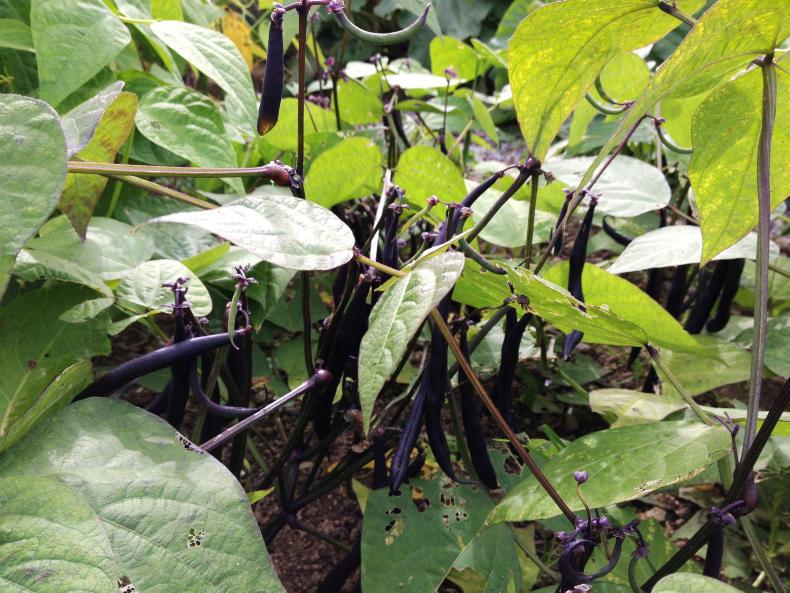
I also steered clear of the more bog-standard varieties and grew some more interesting ones – beautiful slim black pods and the blood red Borlotto Lingua di Fuoco It’s worth growing just for the name, don’t you think? It means “firetongue”.
I am loving runner beans at the moment. The key I think is to harvest them when young (don’t let them get too big and knobbly) and cook them right – I like to boil them up in lots of salty water for about five minutes and then fry them briefly with some garlic and butter.
The legume bed won’t need any work over winter to prepare it for next year. I won’t be adding any manure or compost to it. As part of my crop rotation plan, the brassicas (cabbages, kales, etc) will be going where the legumes were this year. Brassicas need lots of nitrogen and legumes are nitrogen fixers, taking it from the air and leaving it in the soil. I like that symbiotic aspect of GIY-ing.
So once the runner beans are finished, I will just cover the entire bed with black plastic until the spring, which will keep the weeds from growing and prevent the nutrients in the soil from being washed away over the winter.
Read more
GIY: Recognising the humble radish
GIY: Dealing with pests in the veg patch the organic way
The sun shone last weekend and it was restorative to get out in the veg patch. There’s still a lot of work to do there too, mainly cleaning up beds that have finished cropping. My legume bed (peas and beans) is more or less cleared now.
I cleared away two long rows of peas and broad bean plants yesterday, which had long since finished cropping and were looking pretty disheveled. I spent about 20 minutes cutting them up with a garden shears so that I could put them on the compost heap. I reckon they wouldn’t have broken down very well if I had left them whole.
The only thing left in the legume beds now are a late July-sown crop of dwarf French beans (cropping happily for the last three weeks) and a runner bean wigwam (about three or four plants at the base of each cane, and five canes in total) that is still churning out beans.
Slowing the runners
I did things a little differently this year with runner beans. I sowed them later for starters and timed it so that they would start cropping in late September when the broad beans and peas were finished – this seems to have worked.
I also steered clear of the more bog-standard varieties and grew some more interesting ones – beautiful slim black pods and the blood red Borlotto Lingua di Fuoco It’s worth growing just for the name, don’t you think? It means “firetongue”.
I am loving runner beans at the moment. The key I think is to harvest them when young (don’t let them get too big and knobbly) and cook them right – I like to boil them up in lots of salty water for about five minutes and then fry them briefly with some garlic and butter.
The legume bed won’t need any work over winter to prepare it for next year. I won’t be adding any manure or compost to it. As part of my crop rotation plan, the brassicas (cabbages, kales, etc) will be going where the legumes were this year. Brassicas need lots of nitrogen and legumes are nitrogen fixers, taking it from the air and leaving it in the soil. I like that symbiotic aspect of GIY-ing.
So once the runner beans are finished, I will just cover the entire bed with black plastic until the spring, which will keep the weeds from growing and prevent the nutrients in the soil from being washed away over the winter.
Read more
GIY: Recognising the humble radish
GIY: Dealing with pests in the veg patch the organic way






SHARING OPTIONS