Sheep management: autumn grazing plans and the threat of liver fluke
This week's notes cover autumn grazing plans, completing dispatch documents for lambs of different birth origins and a reminder on the threat of liver fluke.
It is important to put a plan in place that ensures grass is available for the breeding ewe flock while also closing paddocks for early spring grazing. \ David Ruffles
ADVERTISEMENT
Grazing
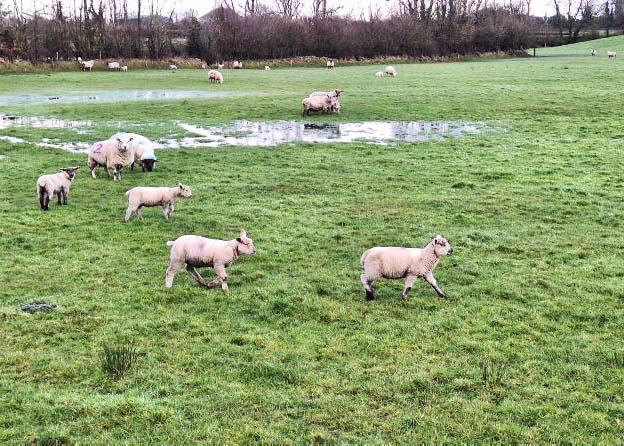
Grass supplies remain favourable on farms but in general are positive with good grass utilisation helping to stretch out supplies. It is important to assess current supplies and put a plan in place that best utilises what grass is available. Priority should remain with the breeding ewe flock with a high plane of nutrition important for at least the first month of gestation to enhance embryo attachment to the wall of the uterus and limit early embryo mortality. Where supplies are likely to run tight, then steps such as selling store lambs, increasing supplementation levels or housing finishing lambs should be considered.
It is also important to start closing up paddocks with a 120-day rest period recommended for March lambing flocks to have sufficient grass available next spring. Table 1 shows a closing plan based on the experience of the research demonstration flocks in Athenry. If sufficient ground is not closed up, swards will not be in a position to take advantage of end-of-year growth, leading to a grass shortage next spring.
ADVERTISEMENT
Further Teagasc research looking at the effect of closing in December shows that swards closed at the start of the month have a chance of having a grass cover of 600kg grass DM in early April. This drops to 300kg for swards closed in mid-December with almost zero growth for swards closed in January in a normal year. This reinforces the importance of closing swards in time.
The first fields grazed and closed should be those targeted for lambing next spring. Growth is currently good and there will be a temptation to re-enter grazed paddocks. Grazing plans can be slightly tweaked to graze light covers now before closing and let heavier covers bulk up for grazing in November. This will help to still keep grazing targets on track.
Dispatch documents
The topic of being prepared for inspections is also covered this week. Factory procurement personnel are also reminding farmers trading lambs that may have been purchased from different origins that the full 12-digit tag number needs to be recorded on dispatch documents.
Fluke treatment
There is continued regional reports about liver fluke infestation in slaughtered sheep. It is important to try to make the best use of this information and follow up the health status of livers in sheep sent for slaughter. At this time of the year, early immature and immature fluke parasites are of greatest concern and therefore it is important to select a product that targets these stages of the life cycle. Products should also be alternated between active ingredients to reduce the risk of resistance occurring.
Register for free to read this story and our free stories.
This content is available to digital subscribers and loyalty code users only. Sign in to your account, use the code or subscribe to get unlimited access.
The reader loyalty code gives you full access to the site from when you enter it until the following Wednesday at 9pm. Find your unique code on the back page of Irish Country Living every week.
CODE ACCEPTED
You have full access to the site until next Wednesday at 9pm.
CODE NOT VALID
Please try again or contact support.
Grazing
Grass supplies remain favourable on farms but in general are positive with good grass utilisation helping to stretch out supplies. It is important to assess current supplies and put a plan in place that best utilises what grass is available. Priority should remain with the breeding ewe flock with a high plane of nutrition important for at least the first month of gestation to enhance embryo attachment to the wall of the uterus and limit early embryo mortality. Where supplies are likely to run tight, then steps such as selling store lambs, increasing supplementation levels or housing finishing lambs should be considered.
It is also important to start closing up paddocks with a 120-day rest period recommended for March lambing flocks to have sufficient grass available next spring. Table 1 shows a closing plan based on the experience of the research demonstration flocks in Athenry. If sufficient ground is not closed up, swards will not be in a position to take advantage of end-of-year growth, leading to a grass shortage next spring.
Further Teagasc research looking at the effect of closing in December shows that swards closed at the start of the month have a chance of having a grass cover of 600kg grass DM in early April. This drops to 300kg for swards closed in mid-December with almost zero growth for swards closed in January in a normal year. This reinforces the importance of closing swards in time.
The first fields grazed and closed should be those targeted for lambing next spring. Growth is currently good and there will be a temptation to re-enter grazed paddocks. Grazing plans can be slightly tweaked to graze light covers now before closing and let heavier covers bulk up for grazing in November. This will help to still keep grazing targets on track.
Dispatch documents
The topic of being prepared for inspections is also covered this week. Factory procurement personnel are also reminding farmers trading lambs that may have been purchased from different origins that the full 12-digit tag number needs to be recorded on dispatch documents.
Fluke treatment
There is continued regional reports about liver fluke infestation in slaughtered sheep. It is important to try to make the best use of this information and follow up the health status of livers in sheep sent for slaughter. At this time of the year, early immature and immature fluke parasites are of greatest concern and therefore it is important to select a product that targets these stages of the life cycle. Products should also be alternated between active ingredients to reduce the risk of resistance occurring.
If you would like to speak to a member of our team, please call us on 01-4199525.
Link sent to your email address
We have sent an email to your address. Please click on the link in this email to reset your password. If you can't find it in your inbox, please check your spam folder. If you can't find the email, please call us on 01-4199525.
ENTER YOUR LOYALTY CODE:
The reader loyalty code gives you full access to the site from when you enter it until the following Wednesday at 9pm. Find your unique code on the back page of Irish Country Living every week.






SHARING OPTIONS