


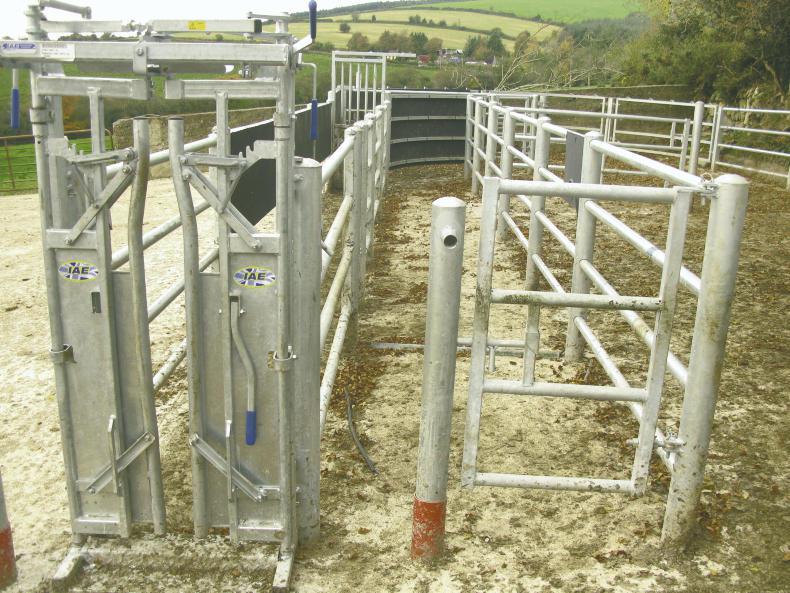
Too often we hear about people being injured by animals on farm. Most of these livestock issues of course involve cattle. Sometimes they are human errors due to rushing or possibly where cattle handling facilities aren’t up to standard.
If we take our time to understand cattle behaviour it may allow us to make better decisions that will reduce stress and most importantly the risk of injury on farm. Firstly we should take a step back to understand cattle behaviour.
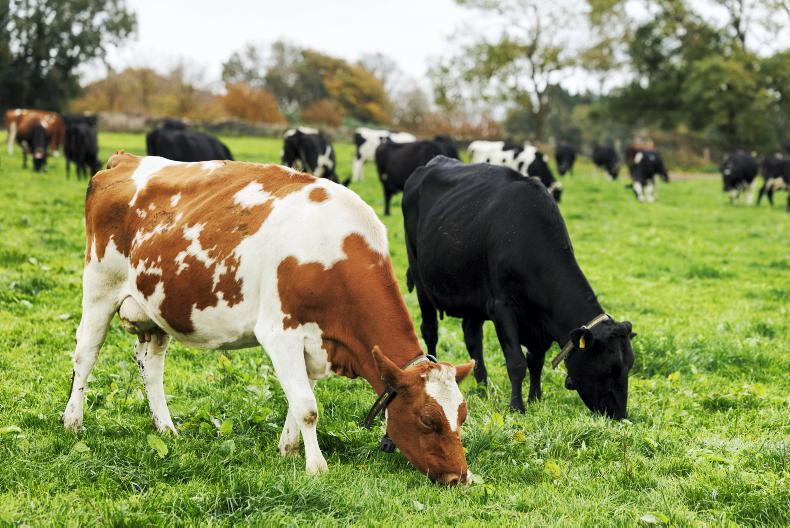
1. Cattle as herd animals
Cattle are herd animals this is an important thing to remember because when we isolate animals on their own we are taking them out of the herd and risk exciting them. The cow calving is a classic example of this and also you have her protective nature kicking in. So when we separate animals we are stressing them because they are being removed from the herd.
2. Flight zone
Cattle have a flight zone, look at this as an imaginary circle around them. When we enter this, they move away. They move away because this is their natural instinct to protect themselves from predators. The larger the flight zone the wilder cattle are.
Through good handling and consistent routines, we should aim for 2-3m flight zone in our cattle. It is very useful to understand flight zones also when moving cattle. We can actually move stock with less shouting and more ease once we understand this flight zone.
3. Comfort
Cattle are generally slow-moving, with about 3.0km/h being their natural speed. When we hurry we rush cattle and potentially move them out of their comfort zone. This can make cattle ‘flightier’ and less predictable. This is why cattle don’t like quad bikes.
4. Loud noises
Their hearing is twice as sensitive as humans so cattle don’t like loud noises that will spook them. Noise can often cause them particularly to kick out without warning.
5 Approaching cattle
Cattle have very good lateral vision with their eyes on the sides of their heads watching for predators. If we approach cattle from behind they can’t see us, again maybe causing them to spook. Always approach cattle slowly from the side where they can see you.
6. Human contact
Cattle are social animals and like consistency. They adapt to human contact so the more positive that contact is from an early age, the easier it is to handle cattle.
For example, meal-feeding weanlings before weaning time has many positive benefits and it gets animals used to human contact.
This may seem to some like ‘fluffy’ stuff but if we can improve stockmanship skills we not only make the farm a safer place, but animals will be less stressed, more productive and profitable.
These are all very important principles to understand when we are working around or moving animals.
The less we ‘spook’ cattle the less chance we have of unpredictable behaviour.
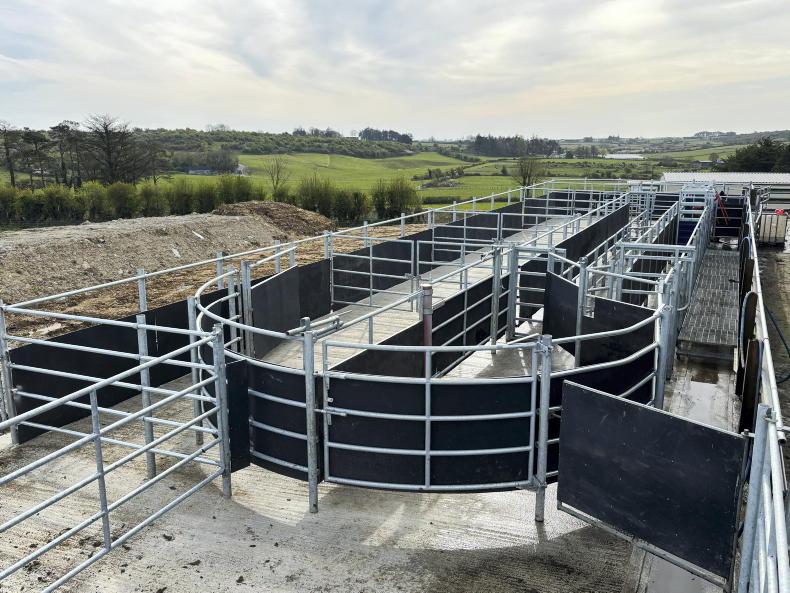
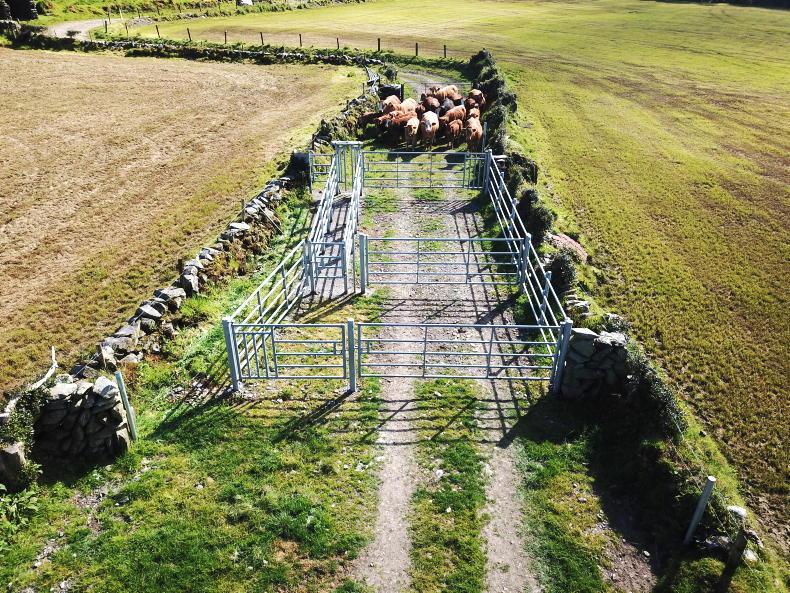
For individual animals, handling facilities are so important. With a functioning crush that animals will flow into. Remember cattle are sensitive to light, sound and some colours.
So generally, cattle will flow from darker areas into light and always like to see an escape route.
A good functioning crush gate that keeps animals well and securely restrained is essential. Even still, be mindful of rapid head movements or when injecting animals, watch for them kicking out between the bars.
Dangerous animals
Two of the most dangerous animals on farm are the bull and the freshly calved cow.
The bull is asserting dominance particularly around breeding time, no bull should ever be trusted. When handling bulls moving them with the herd is easier and only isolating them with the safety of gates between you and them.
Freshly calved cows can also be very dangerous because there is the protective nature for their calf and hormones are flying. Always have a secure calving gate when calving cows and heifers that allows for easy escape. Always have a gate between you and the animal calving.
Body language
Read the body language of cows. Sometimes we are going so fast we forget to stop and look at the demeanour of animals.
Always be cautious when cattles’ heads and ears are up, it is a strong indication of excitement or fear. Also cattle bellowing or vocalising should be noted as this again can be a sign of fear.
This fear usually results in animals running from or removing themselves from a situation but it could also mean animals attacking.
Cattle give off signals, equally humans give off signals that affect cattle behaviour. It is just not worth risking ignoring these and getting injured, or far worse even killed.
Having safe animal handling facilities is a good investment for your farm. Being patient and consistent around cattle is also a good investment of your time and energy.
Livestock have always the risk of being unpredictable, so farm safely.



SHARING OPTIONS