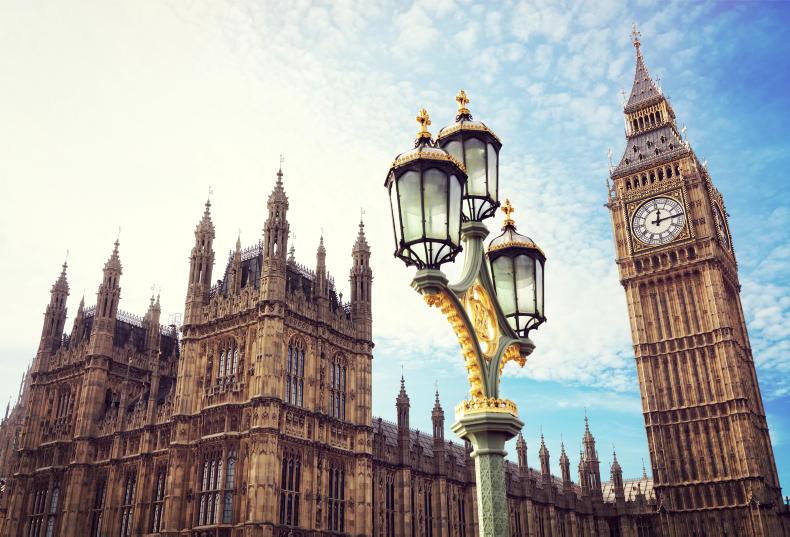
While the British government has previously committed to maintain funding to agriculture at current levels to 2022, there was no commitment on funding beyond that date from Defra Secretary of State Michael Gove when he met with MPs in Westminster on Wednesday.
During a committee meeting in the House of Commons, several MPs questioned Gove on why a clear plan for long term funding for post-Brexit farm support schemes was not included in the government’s agriculture Bill.
“The current level of funding is £3.4bn. It would give farmers a huge sense of reassurance if you were to commit now to maintaining that level of funding. It is a very small proportion of UK net public spending,” Labour MP Angela Smith said.
“I quite understand, but I am not the Chancellor of the Exchequer,” Gove responded.
During the meeting, the Defra Secretary argued that the level of funding available for farm support schemes in the future should instead be subject to election promises in party manifestos, budgets from the UK Treasury, and debates in parliament.
“You could say [in the agriculture Bill] ‘a future government must pay into any given scheme’. But a future government could say ‘OK we will pay, but all we will pay is a pound’,” Gove said.
Imports
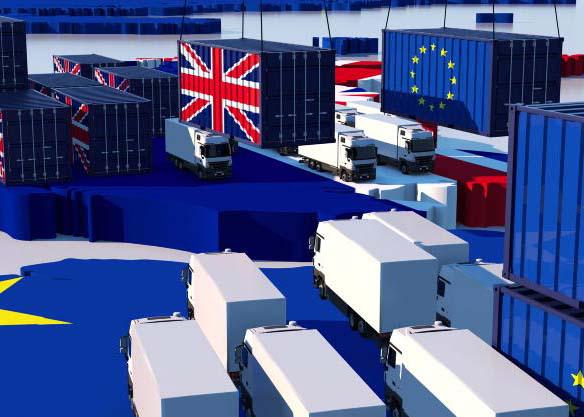
He also argued that it was not appropriate to put a commitment into law through the Bill that the UK government will not allow imports of lower standard, cheap food from third countries after Brexit.
Gove told MPs that any future trade deal between the UK and third countries after Brexit will require the approval of parliament.
“It is not within the scope of a Bill, which is intended to deal with future payments,” he said.
Read more
NI farmers need clarity on subsidies before Brexit – report
QUB academic to lead review of direct payments
While the British government has previously committed to maintain funding to agriculture at current levels to 2022, there was no commitment on funding beyond that date from Defra Secretary of State Michael Gove when he met with MPs in Westminster on Wednesday.
During a committee meeting in the House of Commons, several MPs questioned Gove on why a clear plan for long term funding for post-Brexit farm support schemes was not included in the government’s agriculture Bill.
“The current level of funding is £3.4bn. It would give farmers a huge sense of reassurance if you were to commit now to maintaining that level of funding. It is a very small proportion of UK net public spending,” Labour MP Angela Smith said.
“I quite understand, but I am not the Chancellor of the Exchequer,” Gove responded.
During the meeting, the Defra Secretary argued that the level of funding available for farm support schemes in the future should instead be subject to election promises in party manifestos, budgets from the UK Treasury, and debates in parliament.
“You could say [in the agriculture Bill] ‘a future government must pay into any given scheme’. But a future government could say ‘OK we will pay, but all we will pay is a pound’,” Gove said.
Imports
He also argued that it was not appropriate to put a commitment into law through the Bill that the UK government will not allow imports of lower standard, cheap food from third countries after Brexit.
Gove told MPs that any future trade deal between the UK and third countries after Brexit will require the approval of parliament.
“It is not within the scope of a Bill, which is intended to deal with future payments,” he said.
Read more
NI farmers need clarity on subsidies before Brexit – report
QUB academic to lead review of direct payments






SHARING OPTIONS