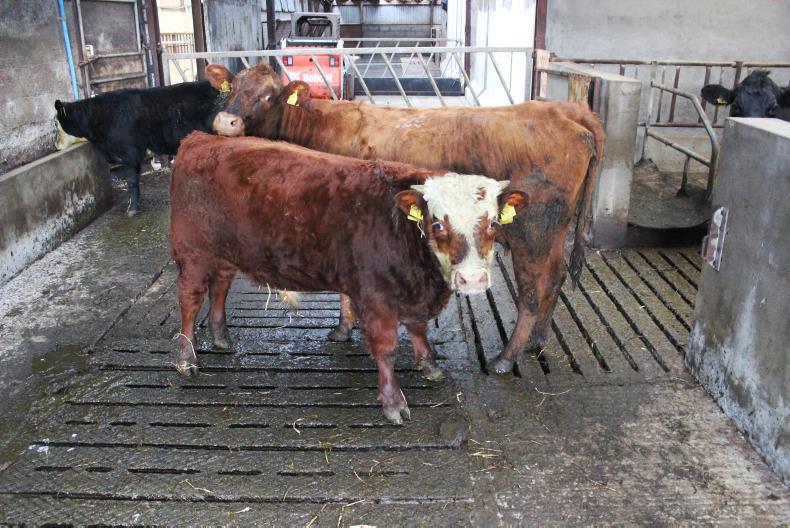
Grazing conditions on our farm have been excellent this autumn, but with grass starting to run out we housed the first group of cows on 31 October.
They were running in two batches all summer, with each batch consisting of 35 cows and calves. The cows that were housed have the youngest calves in the herd, with most born in April and early May. The other group of cows is still grazing and, if weather permits, they will hopefully stay out for another week before housing.
With the weather being relatively mild and wet, I am reluctant to bring them inside until temperatures become cooler, to reduce the risk of respiratory issues in young cattle.
The group at grass consists of the older calves born in March. All calves have been vaccinated for pneumonia and wormed back in September in preparation for weaning and winter housing.
Weaning will be carried out once calves are housed and settled onto concentrates. Calves were not offered concentrates at grass this year, yet performance has been good.
Weight gain
I weighed the cows and calves at housing last week. The bull calves averaged 296kg at approximately 200 days old, giving a daily gain from birth of 1.2kg/day from a grass-only diet.
The heifer calves averaged 259kg at 195 days old, giving a liveweight gain from birth of 1.11kg/day. There were a couple of animals that had a problem with coccidiosis back in spring and they never fully recovered. This is evident in their weight gains, which are dragging down the group average. Weight gains within the calf group were as low as 0.7kg/day and 0.95kg/day for calves affected.
In contrast, there were calves in the group that had exceptional performance, with weight gains of 1.35kg to 1.42kg/day.
Considering these are the younger animals, I am generally pleased with their overall performance. It will be interesting to compare their weight gains with the older calves still at grass.
I also weighed the cows at housing to get a handle on weaning efficiency. The cows with bull calves averaged 556kg liveweight. This means, on average, the cows weaned around 53% of their body weight this year.
The cows with heifer calves averaged 560kg, giving a weaning percentage of 46%. Again, there is huge variation within the group, but the calves hit by coccidiosis are pulling the average down again.
I still have to weigh the other cows and calves at grass and they should increase the weaning percentages.
Last year, the herd had an average of 59% across all cows. Cows averaged 489kg liveweight for the animals with heifer calves, with cows suckling bull calves averaging 481kg at weaning. Bull calves averaged 1.29kg/day from birth to 200 days old, while the heifers averaged 1.18kg/day from birth across all calves in the herd.
The big difference between this year and last year has been the weather. In 2017, cows were housed from late August and calves were straight onto meal to maintain performance.
This year we have had a considerable cost saving keeping cattle at grass until the start of November.
Winter housing
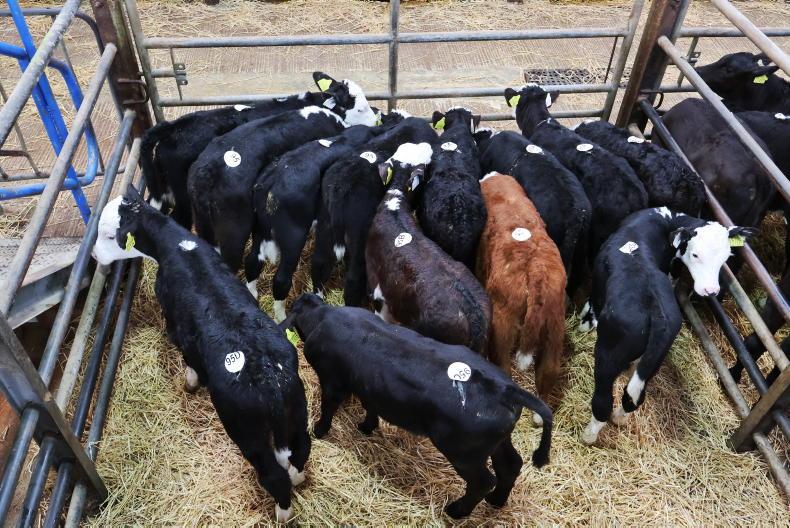
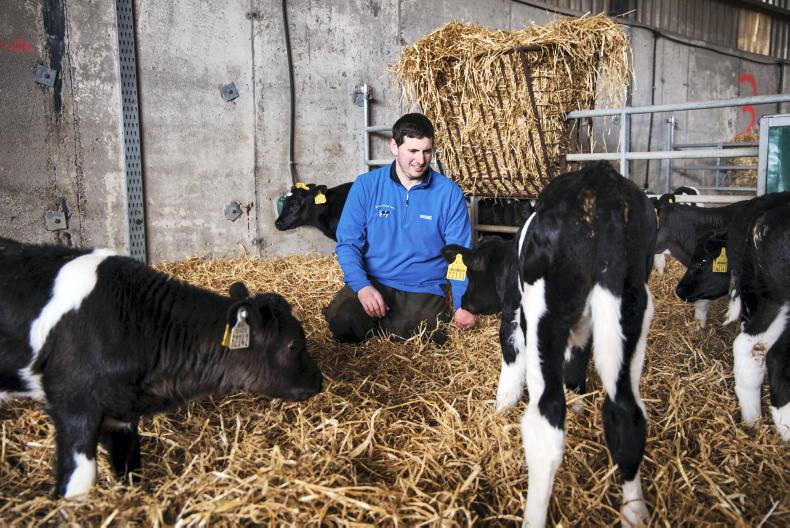
Now that cattle are housed and settled, the plan is to start weaning. Creep feed has been introduced to help ease the transition and calves are fed in a straw-bedded creep area.
Cows are still on good silage, but once weaning is completed they will be divided into two groups based on body condition. Cows in good condition will be fed a maintenance diet of silage and straw, with the aim of keeping them in good flesh over winter.
The thinner cows will be given silage on an ad-lib basis to improve condition. I can move animals between groups if necessary as winter progresses. Last winter, I feel that we probably did not push calves hard enough and they were lighter than I would have liked at turnout.
Therefore, this year they will be fed 2kg/day of a growing ration along with the best silage on-farm to keep them performing over winter. At the same time, I do not want them becoming over fat as they will lose excessive flesh once they go back to grass next spring. Calving is due to start around 17 March for the heifers and 24 March for the cows. This is two weeks later than normally, but after three wet springs in the past five years, the earlier calving dates do not suit our farm. Cows do not get to grass until the start of April.
Therefore, having too many cows calved in March puts pressure on housing and creates work. Scanning was carried out in September and results were good. We have 102 cows in-calf from 106 put to the bull. This includes 33 in-calf heifers from 35 put to the bull.
While there are 102 animals scanned in-calf, it is unlikely that we will calve this number. Most of the in-calf heifers have been sold as we have established a good market for these animals, with repeat customers coming back this autumn to purchase more stock.
I will probably sell off some cows in spring. The reason being is that I am in full-time employment off the farm, so my plans are to reduce cow numbers to a manageable level to suit my job. This decision will be made next year.
Finishing cattle sold
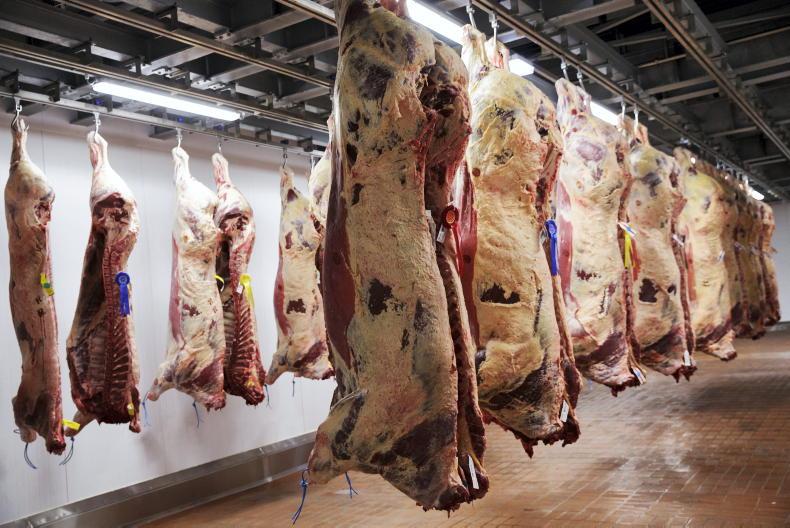
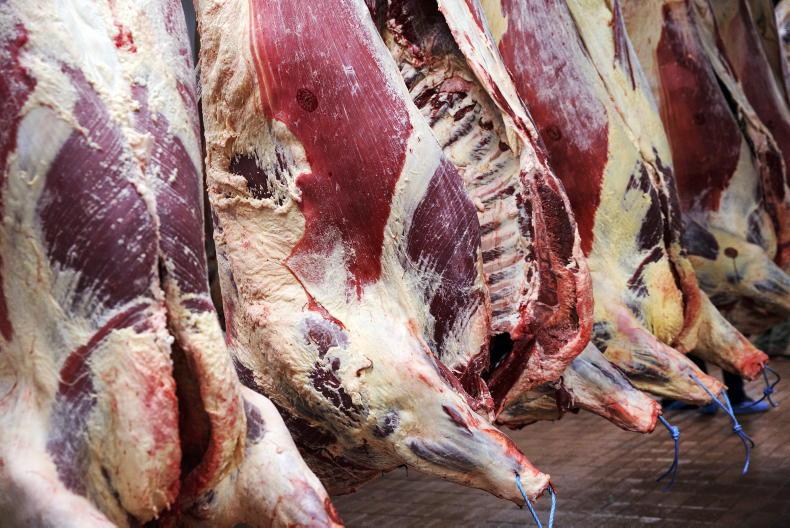
We killed 16 Hereford bullocks in the past three weeks and they averaged 295kg deadweight. They were killed off grass at just over 18 months, with a small quantity of meal being fed. The meal was merely to get them used to being handled and make it easier to load them onto a trailer. They should have been killed earlier, but there was a delay at the plant. This meant the bullocks went into fat class four when slaughtered. In September, we were heavily stocked so we sold 11 Angus bullocks straight out of the yard for finishing. They averaged 470kg, so were a good bit away from being finished. At £2/kg and no fees, we felt they were better off sold live.
Read more
Beef trends update: another week of static prices
Farmer writes: milk fever rears its head
Grazing conditions on our farm have been excellent this autumn, but with grass starting to run out we housed the first group of cows on 31 October.
They were running in two batches all summer, with each batch consisting of 35 cows and calves. The cows that were housed have the youngest calves in the herd, with most born in April and early May. The other group of cows is still grazing and, if weather permits, they will hopefully stay out for another week before housing.
With the weather being relatively mild and wet, I am reluctant to bring them inside until temperatures become cooler, to reduce the risk of respiratory issues in young cattle.
The group at grass consists of the older calves born in March. All calves have been vaccinated for pneumonia and wormed back in September in preparation for weaning and winter housing.
Weaning will be carried out once calves are housed and settled onto concentrates. Calves were not offered concentrates at grass this year, yet performance has been good.
Weight gain
I weighed the cows and calves at housing last week. The bull calves averaged 296kg at approximately 200 days old, giving a daily gain from birth of 1.2kg/day from a grass-only diet.
The heifer calves averaged 259kg at 195 days old, giving a liveweight gain from birth of 1.11kg/day. There were a couple of animals that had a problem with coccidiosis back in spring and they never fully recovered. This is evident in their weight gains, which are dragging down the group average. Weight gains within the calf group were as low as 0.7kg/day and 0.95kg/day for calves affected.
In contrast, there were calves in the group that had exceptional performance, with weight gains of 1.35kg to 1.42kg/day.
Considering these are the younger animals, I am generally pleased with their overall performance. It will be interesting to compare their weight gains with the older calves still at grass.
I also weighed the cows at housing to get a handle on weaning efficiency. The cows with bull calves averaged 556kg liveweight. This means, on average, the cows weaned around 53% of their body weight this year.
The cows with heifer calves averaged 560kg, giving a weaning percentage of 46%. Again, there is huge variation within the group, but the calves hit by coccidiosis are pulling the average down again.
I still have to weigh the other cows and calves at grass and they should increase the weaning percentages.
Last year, the herd had an average of 59% across all cows. Cows averaged 489kg liveweight for the animals with heifer calves, with cows suckling bull calves averaging 481kg at weaning. Bull calves averaged 1.29kg/day from birth to 200 days old, while the heifers averaged 1.18kg/day from birth across all calves in the herd.
The big difference between this year and last year has been the weather. In 2017, cows were housed from late August and calves were straight onto meal to maintain performance.
This year we have had a considerable cost saving keeping cattle at grass until the start of November.
Winter housing
Now that cattle are housed and settled, the plan is to start weaning. Creep feed has been introduced to help ease the transition and calves are fed in a straw-bedded creep area.
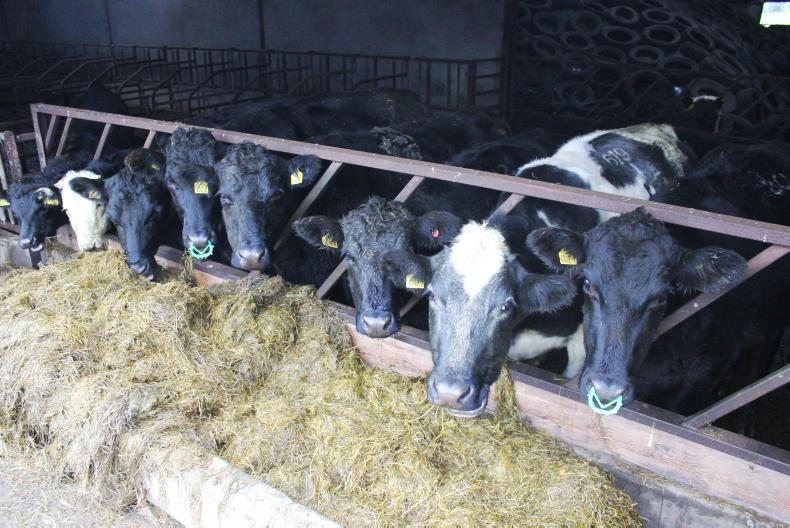
Cows are still on good silage, but once weaning is completed they will be divided into two groups based on body condition. Cows in good condition will be fed a maintenance diet of silage and straw, with the aim of keeping them in good flesh over winter.
The thinner cows will be given silage on an ad-lib basis to improve condition. I can move animals between groups if necessary as winter progresses. Last winter, I feel that we probably did not push calves hard enough and they were lighter than I would have liked at turnout.
Therefore, this year they will be fed 2kg/day of a growing ration along with the best silage on-farm to keep them performing over winter. At the same time, I do not want them becoming over fat as they will lose excessive flesh once they go back to grass next spring. Calving is due to start around 17 March for the heifers and 24 March for the cows. This is two weeks later than normally, but after three wet springs in the past five years, the earlier calving dates do not suit our farm. Cows do not get to grass until the start of April.
Therefore, having too many cows calved in March puts pressure on housing and creates work. Scanning was carried out in September and results were good. We have 102 cows in-calf from 106 put to the bull. This includes 33 in-calf heifers from 35 put to the bull.
While there are 102 animals scanned in-calf, it is unlikely that we will calve this number. Most of the in-calf heifers have been sold as we have established a good market for these animals, with repeat customers coming back this autumn to purchase more stock.
I will probably sell off some cows in spring. The reason being is that I am in full-time employment off the farm, so my plans are to reduce cow numbers to a manageable level to suit my job. This decision will be made next year.
Finishing cattle sold
We killed 16 Hereford bullocks in the past three weeks and they averaged 295kg deadweight. They were killed off grass at just over 18 months, with a small quantity of meal being fed. The meal was merely to get them used to being handled and make it easier to load them onto a trailer. They should have been killed earlier, but there was a delay at the plant. This meant the bullocks went into fat class four when slaughtered. In September, we were heavily stocked so we sold 11 Angus bullocks straight out of the yard for finishing. They averaged 470kg, so were a good bit away from being finished. At £2/kg and no fees, we felt they were better off sold live.
Read more
Beef trends update: another week of static prices
Farmer writes: milk fever rears its head






SHARING OPTIONS