There are a number of factors to look for when assessing a shed for winter housing.
ADVERTISEMENT
Below are the key points you should keep in mind when it comes to winter housing:
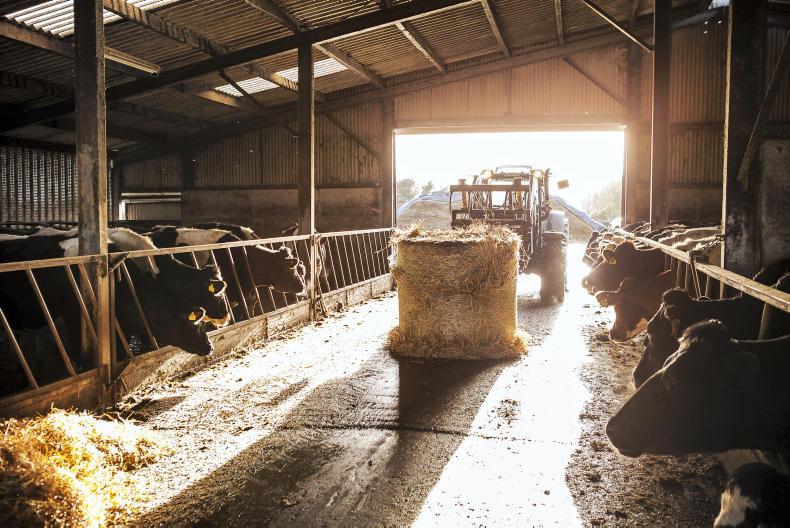
1. Shed position: always have the long axis of your shed facing into a southwesterly breeze to maximise natural ventilation.
2. Fresh air at stock level: it is worth using your own nose and get down and smell air freshness at stock level. This becomes very important in calf sheds and lambing pens.
3. Sufficient outlet: if using the stack effect, we need plenty of outlets for air to escape. Hot air rising from cattle needs somewhere to escape to.
4. Sufficient inlet: we need twice the inlet space as outlet space and this is so important with adult cattle. Make sure you have plenty inlet space for the number of stock in the shed.
5. Low moisture: reducing moisture can reduce the risk of diseases in our sheds. We do this by maximising fresh air and having good drainage which is clean and working. Fix broken water pipes and faulty downpipes.
6. Mechanical ventilation: in sheds with poor airflow, particularly where there are calves, we need to make sure we have fresh air. Sometimes this requires vented tubing and fans to help push air into sheds.
7. Lots of cobwebs: if we see lots of cobwebs then we can be suspicious about good airflow through our sheds.
8. Smoke bombs: smoke bombs can be useful to assess if airflow is working in our sheds. They are a great way of tracking airflow in sheds.
9. Avoid draughts: high wind speeds blowing in on animals, particularly youngstock, can have very negative impacts.
10. Comfortable bedding: having comfortable dry bedding can make such a difference to herd performance and cow comfort.
11. Good feedspace: having enough feedspace for every animal makes a huge difference to stock. Work out how many animals and what size space they require.
12. Operator efficiency: how easy is it to move animals, feed animals and clean out easily?
13.Floor slopes: getting slopes right helps to reduce moisture buildup.
14. Floor comfort: look at how abrasive or comfortable floors are for animals to stand on. Slippery floors can lead to problems also.
15. Cubicles: getting cubicle size right is really important. They should be big enough for cattle to get in and lie down comfortably. Make sure there is at least one cubicle per cow.
16. Light and water: having good light helps animals and is also important for stock people to spot sick animals. Water must be provided in good quantities and be clean.
17. Stocking densities: if you want to reduce problems with disease, avoiding over-stocking is critical.
This is the list of things to look at when assessing sheds for winter housing. It may seem long but by doing this systematically every time you assess a shed, it can really make a difference to overall herd performance.
ADVERTISEMENT
Register for free to read this story and our free stories.
This content is available to digital subscribers and loyalty code users only. Sign in to your account, use the code or subscribe to get unlimited access.
The reader loyalty code gives you full access to the site from when you enter it until the following Wednesday at 9pm. Find your unique code on the back page of Irish Country Living every week.
CODE ACCEPTED
You have full access to the site until next Wednesday at 9pm.
CODE NOT VALID
Please try again or contact support.
Below are the key points you should keep in mind when it comes to winter housing:
1. Shed position: always have the long axis of your shed facing into a southwesterly breeze to maximise natural ventilation.
2. Fresh air at stock level: it is worth using your own nose and get down and smell air freshness at stock level. This becomes very important in calf sheds and lambing pens.
3. Sufficient outlet: if using the stack effect, we need plenty of outlets for air to escape. Hot air rising from cattle needs somewhere to escape to.
4. Sufficient inlet: we need twice the inlet space as outlet space and this is so important with adult cattle. Make sure you have plenty inlet space for the number of stock in the shed.
5. Low moisture: reducing moisture can reduce the risk of diseases in our sheds. We do this by maximising fresh air and having good drainage which is clean and working. Fix broken water pipes and faulty downpipes.
6. Mechanical ventilation: in sheds with poor airflow, particularly where there are calves, we need to make sure we have fresh air. Sometimes this requires vented tubing and fans to help push air into sheds.
7. Lots of cobwebs: if we see lots of cobwebs then we can be suspicious about good airflow through our sheds.
8. Smoke bombs: smoke bombs can be useful to assess if airflow is working in our sheds. They are a great way of tracking airflow in sheds.
9. Avoid draughts: high wind speeds blowing in on animals, particularly youngstock, can have very negative impacts.
10. Comfortable bedding: having comfortable dry bedding can make such a difference to herd performance and cow comfort.
11. Good feedspace: having enough feedspace for every animal makes a huge difference to stock. Work out how many animals and what size space they require.
12. Operator efficiency: how easy is it to move animals, feed animals and clean out easily?
13.Floor slopes: getting slopes right helps to reduce moisture buildup.
14. Floor comfort: look at how abrasive or comfortable floors are for animals to stand on. Slippery floors can lead to problems also.
15. Cubicles: getting cubicle size right is really important. They should be big enough for cattle to get in and lie down comfortably. Make sure there is at least one cubicle per cow.
16. Light and water: having good light helps animals and is also important for stock people to spot sick animals. Water must be provided in good quantities and be clean.
17. Stocking densities: if you want to reduce problems with disease, avoiding over-stocking is critical.
This is the list of things to look at when assessing sheds for winter housing. It may seem long but by doing this systematically every time you assess a shed, it can really make a difference to overall herd performance.
If you would like to speak to a member of our team, please call us on 01-4199525.
Link sent to your email address
We have sent an email to your address. Please click on the link in this email to reset your password. If you can't find it in your inbox, please check your spam folder. If you can't find the email, please call us on 01-4199525.
ENTER YOUR LOYALTY CODE:
The reader loyalty code gives you full access to the site from when you enter it until the following Wednesday at 9pm. Find your unique code on the back page of Irish Country Living every week.







SHARING OPTIONS