It is the second case in just a matter of days in the UK. \ Philip Doyle.
ADVERTISEMENT
A has been detected in Yorkshire - on 7 December.
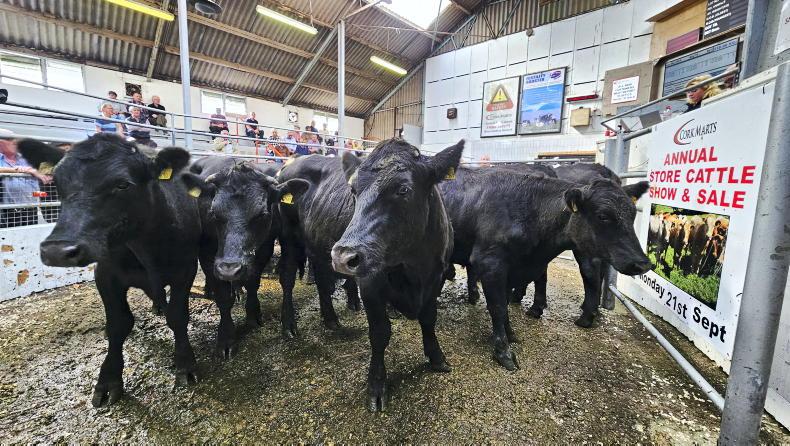
The case related to three consignments of cattle imported from France, which will be culled and pose no risk to human health, according to the UK Department of Environment, Food and Rural Affairs (DEFRA).
Due to the fact that the disease was detected in imported stock, it is deemed not to be circulating and therefore has not been categorised as an outbreak.
Bluetongue does not impact humans, but can cause animals to have a lower milk yield and lower fertility.
It can be transferred between animals by midge bites.
“Farmers must be aware of the risks of bringing animals from disease-affected areas into their flocks and herds.
"It is vitally important that we keep this disease out,” UK chief veterinary officer Christine Middlemiss said.
This content is available to digital subscribers and loyalty code users only. Sign in to your account, use the code or subscribe to get unlimited access.
The reader loyalty code gives you full access to the site from when you enter it until the following Wednesday at 9pm. Find your unique code on the back page of Irish Country Living every week.
CODE ACCEPTED
You have full access to the site until next Wednesday at 9pm.
CODE NOT VALID
Please try again or contact support.
A has been detected in Yorkshire - on 7 December.
The case related to three consignments of cattle imported from France, which will be culled and pose no risk to human health, according to the UK Department of Environment, Food and Rural Affairs (DEFRA).
Due to the fact that the disease was detected in imported stock, it is deemed not to be circulating and therefore has not been categorised as an outbreak.
Bluetongue does not impact humans, but can cause animals to have a lower milk yield and lower fertility.
It can be transferred between animals by midge bites.
“Farmers must be aware of the risks of bringing animals from disease-affected areas into their flocks and herds.
"It is vitally important that we keep this disease out,” UK chief veterinary officer Christine Middlemiss said.

If you would like to speak to a member of our team, please call us on 01-4199525.
Link sent to your email address
We have sent an email to your address. Please click on the link in this email to reset your password. If you can't find it in your inbox, please check your spam folder. If you can't find the email, please call us on 01-4199525.
ENTER YOUR LOYALTY CODE:
The reader loyalty code gives you full access to the site from when you enter it until the following Wednesday at 9pm. Find your unique code on the back page of Irish Country Living every week.
SHARING OPTIONS