


To say that 2018 was a funny old year for farming doesn’t fully capture the awfulness of much of the last 12 months.
At first glance, not much happened at macro level in Irish farming.
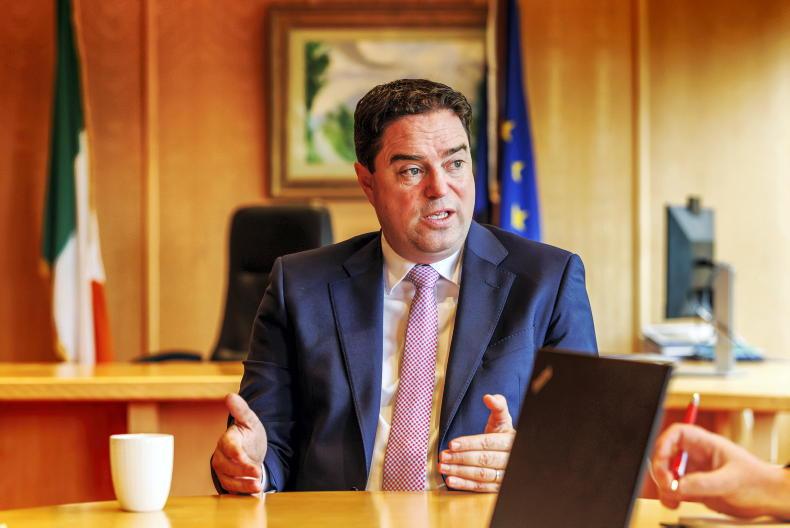
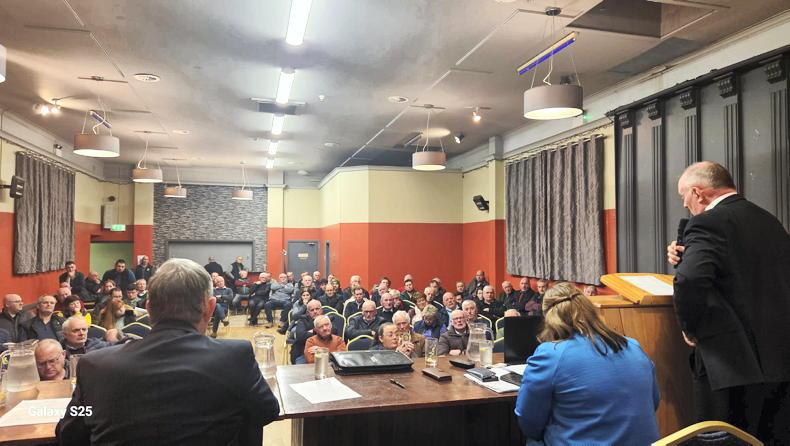
CAP reform meandered along with no dramatic policy shift announcements. There hasn’t been any big debate in Ireland yet as to what shape the reform should take. The round of meetings hosted by the Minister for Agriculture Michael Creed in the spring were poorly enough attended considering the central importance of the future CAP to every single farming family.
Meanwhile, Brexit in all its awfulness may be inching inexorably towards the cliff-edge, but it has, as yet, had no effect on farmers on the ground. Brexit has fed into the general sense of foreboding which was the overwhelming mood among farmers.
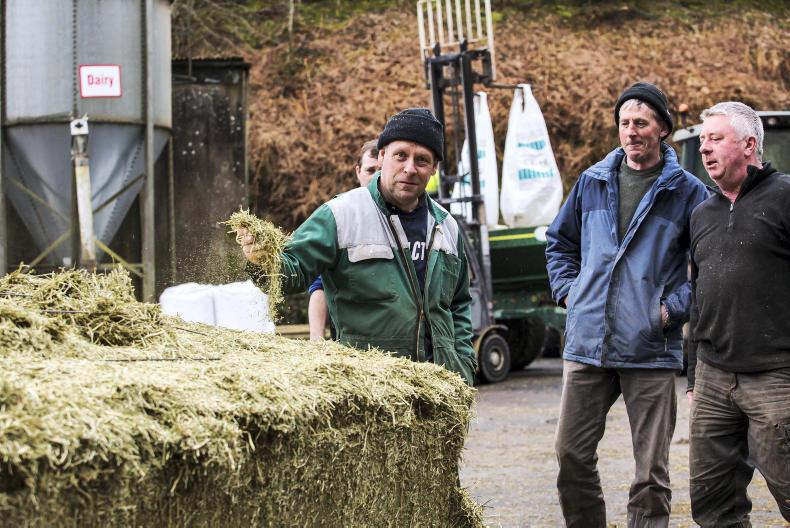
It was, of course, the weather which dominated the farming year. The prolonged wet winter, with the storms and snow of early March thrown in for good measure, created a nationwide shortage of fodder. The respite brought in mid-April by the belated spring was shortlived. Our long, hot, and glorious summer created drought conditions particularly across the east and south, deepening feed bills.
All farmers struggled in the face of these natural forces but dairy farmers in the east visibly aged, with the workload in the spring and the lack of relief labour. Their feed bills might be the biggest, but they have the best repayment capacity. It did throw question marks around the sustainability of shed-based non-grass-focused dairy operations.
Climate change is looming as the dominant theme for farming as we face into the new year. Some would like to see a carbon tax introduced on farming.
The first battleground will likely be in the climate change Oireachtas committee, which is set to issue recommendations for national policy in January. CAP reform is also likely to be “decarbonated”. Tillage and hill farmers want to be rewarded for the carbon-friendly nature of their enterprises.
It is just one more threat to the suckler sector, which is in danger of death by a thousand cuts. Live shipping restrictions, Brexit, ongoing dissatisfaction with the BDGP, vegans, Brexit, industrial action by vets in factories and Brexit are all icebergs on the horizon. It’s only the resilience of farmers that keeps them going.




SHARING OPTIONS