


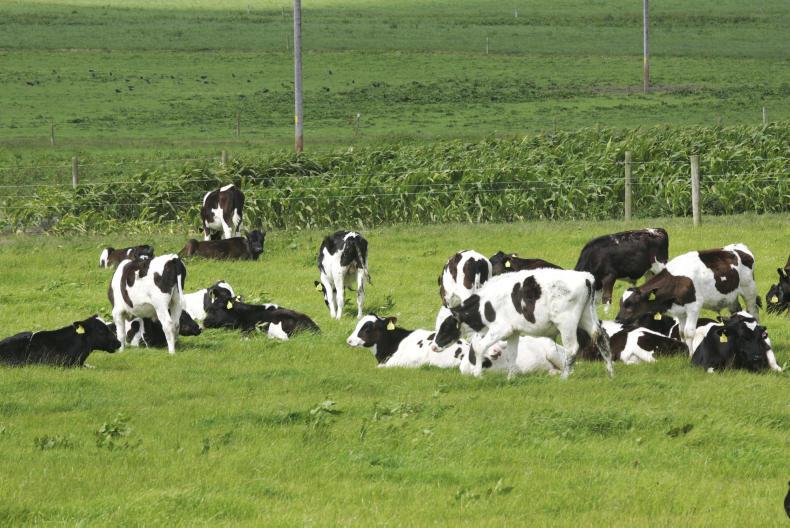
Vet and Nuffield scholar Rob Drysdale presented a paper entitled "How can we make dairy beef a premium meat and not a byproduct?"
The presentation circulated around building the image of and developing the reputation for having a high-quality, consistent meat product as opposed to just depending on the idealistic story of our beef animals.
“At the moment, we believe consumers will buy our beef based on a story. Should we be doing this? Probably not. Price is always number one for the consumer, quality is number two,” he said.
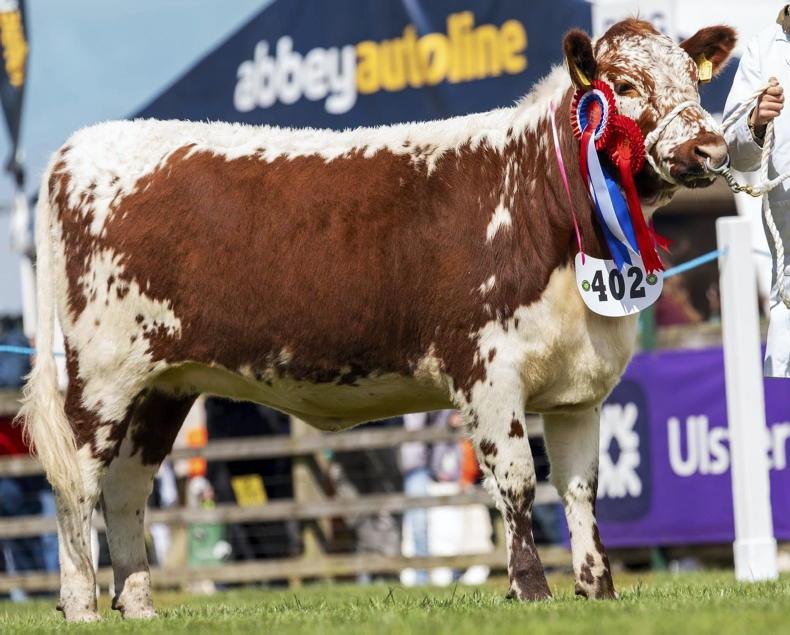
“I hate to say it but it’s not the breed that the consumer cares about. The meat we produce should be paid on its quality, not the clothes it’s wearing.”
He also argued that the "grass-fed" image is questionable considering the amount of cattle that are finished intensively, indoors and on concentrates.
“Are we showing full transparency?” he asked.
Arguing that the brand image should be based on quality and consistency of product, Rob pointed out some interesting research: “Research shows that if a consumer eats a bad chicken, they won’t eat chicken for three weeks. However, if a consumer eats a bad steak, they won’t repeat for three months.”
Dairy beef
In Rob’s opinion, dairy beef has the potential to deliver a high-quality, consistent product – one that consumers are willing to pay for.
“It’s simple – people want that great eating experience when they buy beef.”
“I have done a lot of work studying dairy beef enterprises and the one thing that stood out to me is integration.”
If a consumer eats a bad steak, they won’t repeat for three months
For Rob, integration is essentially “increasing output and bettering return.”
He is currently working with a number of dairy beef systems in the UK, with total slaughterings of 4,500 animals per year. The animals are grazed outdoors for much of their lives and finished indoors.
They are fully integrated systems, taking calves from rearing right through to slaughter. The finishing sheds are almost like poultry units, he explained, with light and heat artificially controlled to maximise performance.
Furthermore, these units have a lifetime health plan in place, welfare and assurance systems and even an antimicrobial reduction policy.
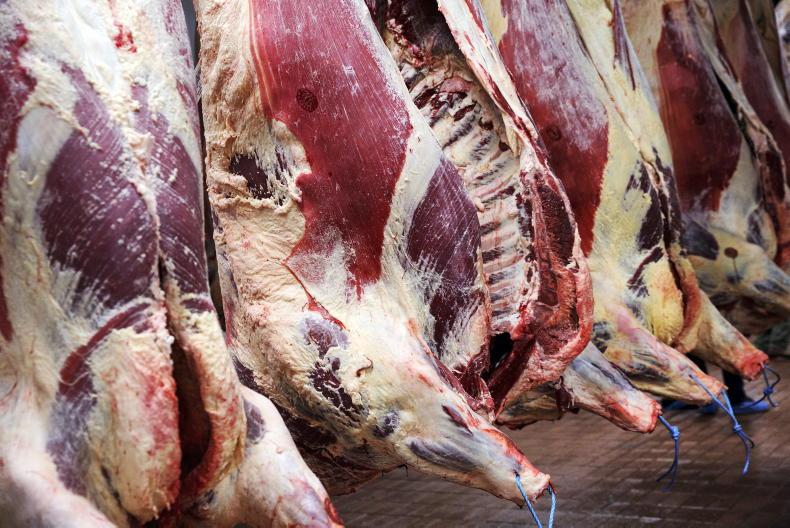
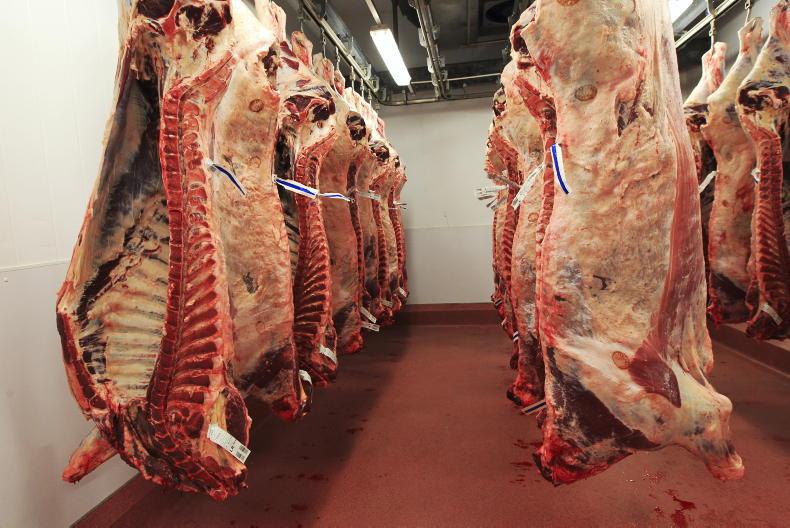
“We supply cattle to our customers based on what they want. Customers will vary between weights, grades and fat scores. We can ensure consistency to each customer by giving them what they want.”
He concluded: “It’s time for the industry to sit down and talk about meat eating quality rather than the name of the package. Dairy beef has the potential.”



SHARING OPTIONS