



When we joined the Farm Profit Programme two years ago, each enterprise on the farm was benchmarked to establish the areas that needed attention. It’s always been clear to us that the sheep enterprise has not been pulling its weight for the amount of labour hours that are put into it. 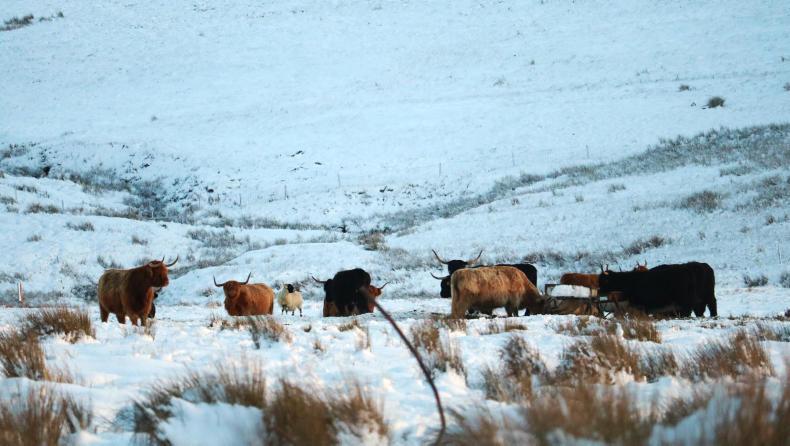
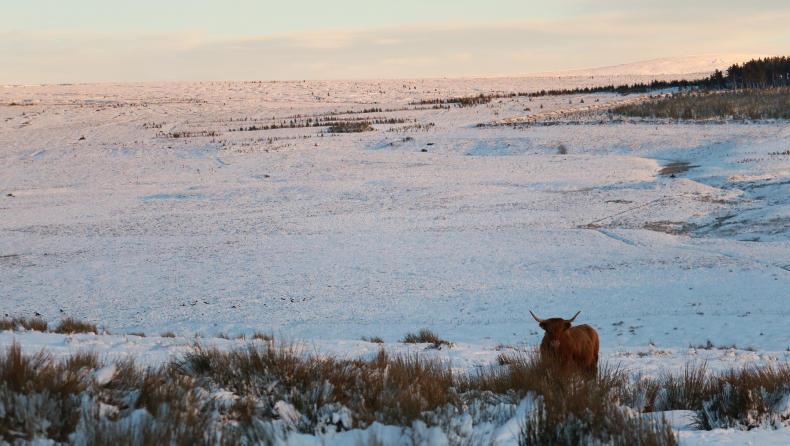
While we are continually working to improve this, we felt that there was an opportunity to introduce a hill cow herd on the farm.
This would not only improve output, but would have the added benefit of breaking up hill ground that has been under-utilised in recent years and help improve the grazing for the sheep at the same time.
This will also provide us with a constant supply of uniform heifers for the in-bye herd.
These heifers will be a more compact size, that will not only have a lower maintenance cost, but will be more suited to the conditions to which they are exposed to here in Tomintoul.
Our farm steading sits at 1,150ft above sea level and rises to 2,300ft at the highest point.
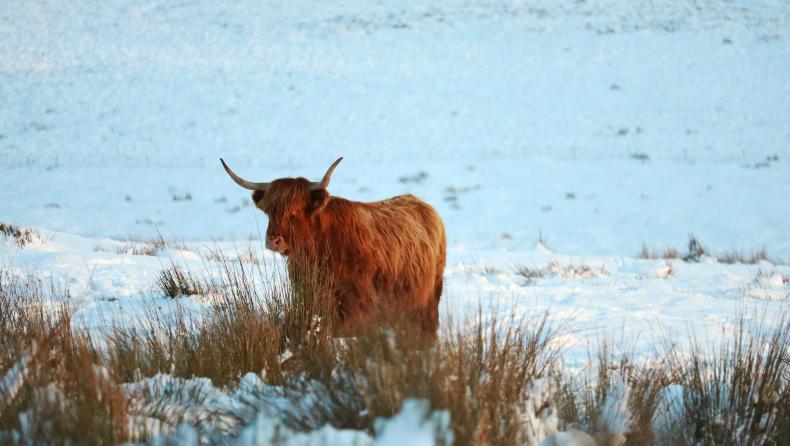
To build numbers, 23 in-calf Highlander cows were purchased over the last number of months.
These are due to calve from late March onwards. The majority of the cows are in-calf to a Simmental/Luing bull, while another seven were covered by a beef Shorthorn.
There are also 16 Highlander heifers, mainly Shorthorn-cross, which we purchased the previous year and put in-calf to our own Shorthorn bull. They are due to calve in mid-March.
The in-bye spring herd will start calving in a fortnight’s time
At the moment all the hill herd cows are being out-wintered and fed silage and a small amount of draff.
The heifers will be housed for calving to ensure there are no problems. The cows will remain outside.
The in-bye spring herd will start calving in a fortnight’s time.
There are 31 in this herd, including nine heifers that entered recently. We have been culling hard over the last couple of years. Any cow that gives problems is culled. We also culled any cows not in-calf at scanning time.
Fodder reserves
Silage is quite tight given the increased number of stock on-farm this winter.
However, we should be just fine. We have just purchased 42 bales of silage to help stretch our own stocks.
We hope to get a sizeable draft of yearlings away by the end of February, which will also take the pressure off silage stocks.
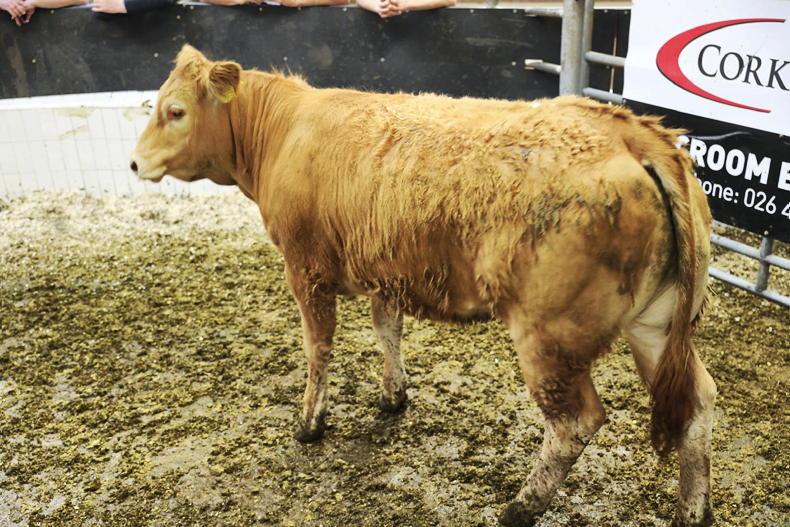
The last of the 2017-born autumn calves were sold two weeks ago at Thainstone and averaged £2.11/kg. We were quite happy with this given where trade has been at.
Sheep
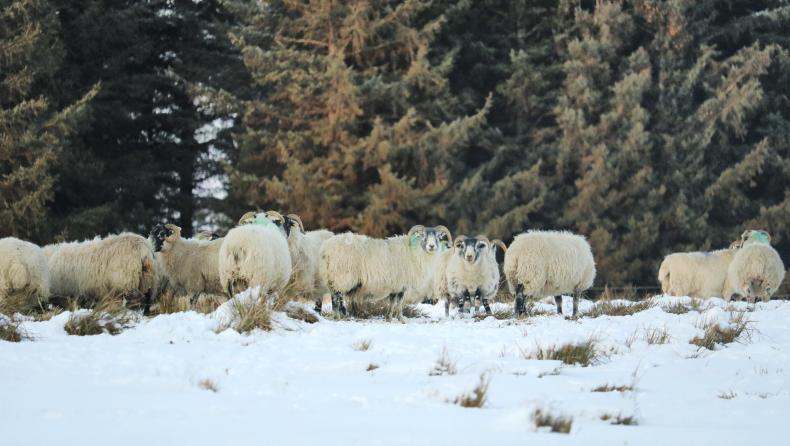
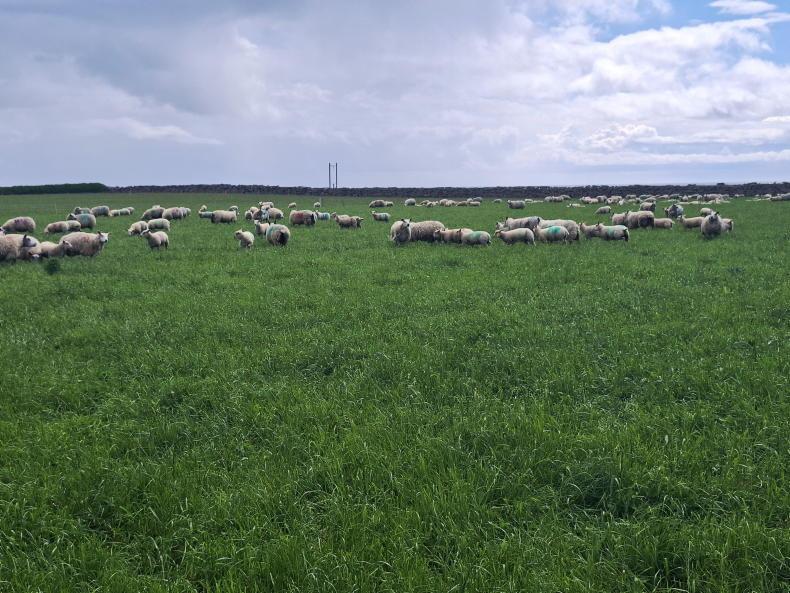
The ewes are to be scanned in the next week, lambing starts mid-April.
There were just over 550 ewes to the tup in the back end, this is back by about 100 as we try to weed out the non-performers and improve the output from the flock.
Ewes are in great condition this year, however, we have been feeding them since the turn of the year as we have been under snow the majority of the time since then.
Using scanning information to save feed
The majority of flocks are now scanned, with decent scanning figures coming back in most cases.
Across the focus farms and speaking to farmers across the country, ewes are in tremendous condition compared with this time last year.
By combining scanning results with the correct nutrition pre-lambing, there are potentially significant savings to be made this year in terms of purchased feed.
Just because you fed a certain level last year, does not mean you need to do the same this year.
Take the time to separate out singles, twins and triplets and assess ewe body condition at the same time.
It is important to use scanning information to help make feeding decisions in the last seven weeks pre-lambing.
The better condition the ewe is in at lambing will result in higher lamb birth weights
Remember 70% of lamb birth weight is put on in the last seven weeks of pregnancy.
This puts a huge nutritional strain on ewes.
Research has shown that there is a direct link between ewe body condition in late pregnancy and lamb birth weight.
In many cases this difference carries right through to weaning.
The better condition the ewe is in at lambing will result in higher lamb birth weights.
Obviously there is a happy medium here, where over-fat ewes will have higher incidences of lambing difficulty.
Really what we are trying to avoid is thin ewes at lambing. This can only be achieved by body condition scoring all ewes and feeding according to condition and litter size.
Table 1 outlines a typical concentrate feeding pattern for ewes in optimal condition, carrying twins and being fed varying-quality grass silage.



SHARING OPTIONS