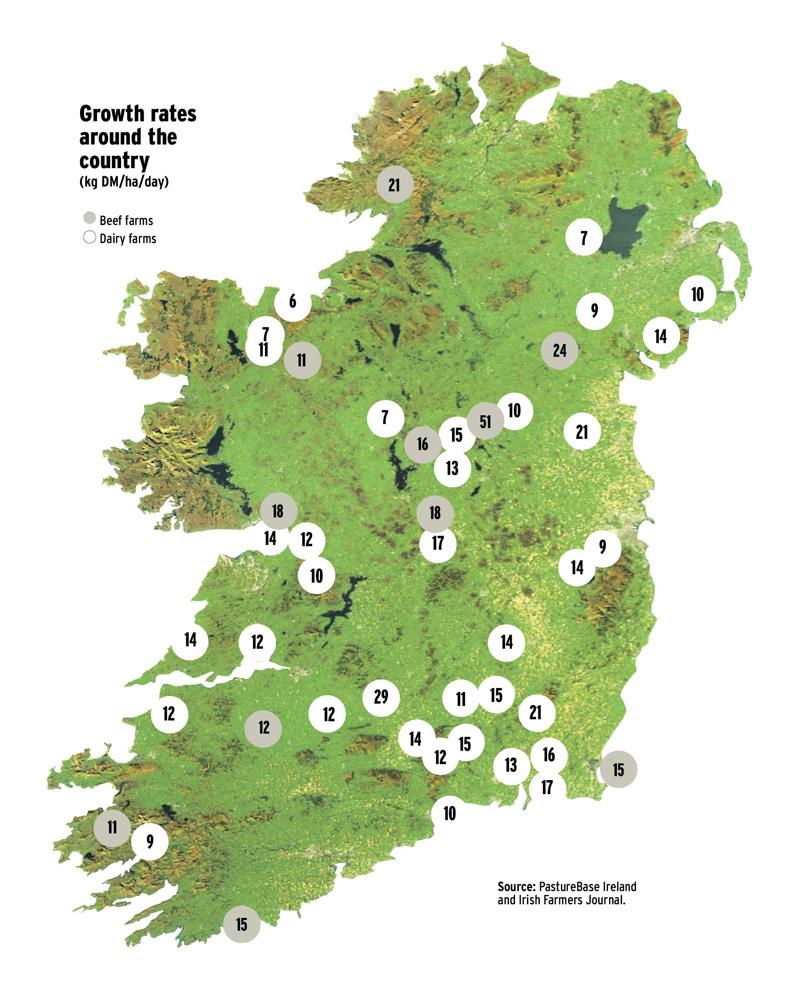
The national average growth rate is sitting at 13kg DM/ha/day now.
ADVERTISEMENT
Let’s face it, we weren’t going to escape without a spell of bad weather at some stage.
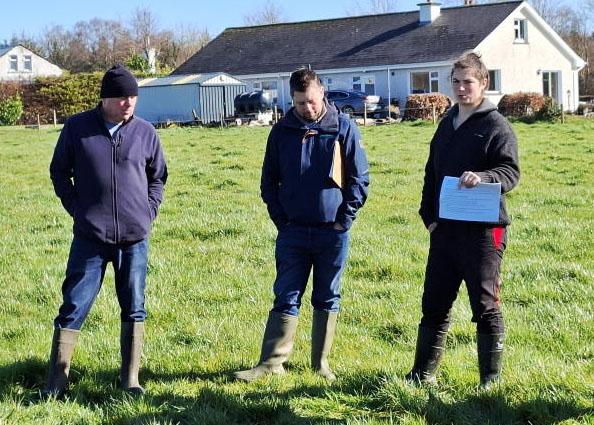
After the rain that has fallen over the last seven days, and the cooler temperatures last weekend, grazing has more or less come to a standstill on many farms throughout the country. But does this mean that early grazing was a failure? And was it all a waste of time? I think not. As I have argued on page 36, any early grazing achieved during February won’t have been in vain. Fodder will have been saved and grazed ground will be up and growing for the second rotation. Even just getting cattle outdoors is an advantage in itself. Weanlings or stores will be accustomed to their outdoor surroundings once again while getting new born calves outdoors and past that critical 10-day-old age is a great help health-wise. If cattle have to be re-housed, or have already been housed this week, I don’t think it should be seen as a major setback. Wicklow farmer Brian Doran agrees.
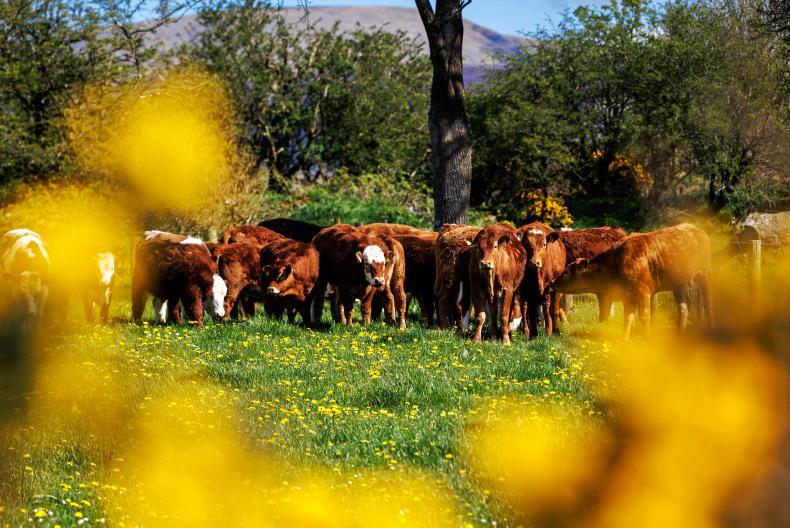
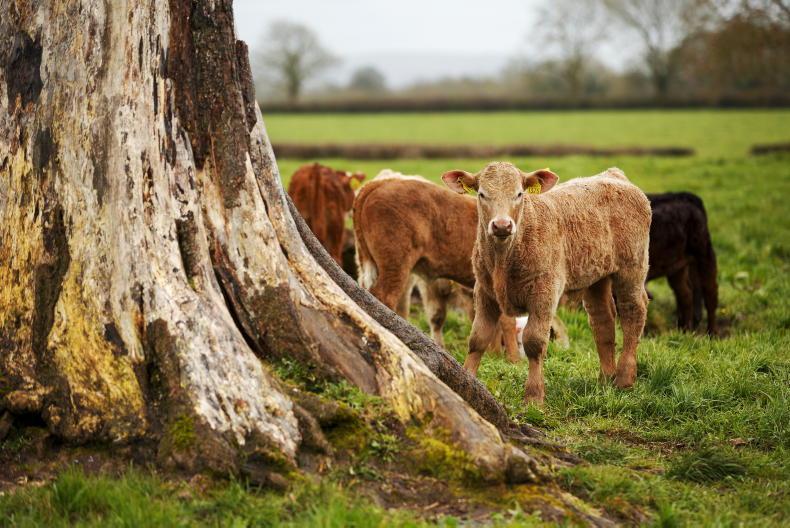
Forecasts for the coming week show that there is plenty more rain on the way. This will lead to further housing in some cases. Others will choose or be forced to leave stock out. I’d prefer to leave lighter weanlings/stores out as opposed to cows and calves if I had the choice. However, if cows and calves are being left out, be extremely cautious with grass tetany – particularly on ground that received slurry early in the spring. At the very least allocate lick buckets, but consider bolusing or feeding 2kg ration and powder minerals daily too.
ADVERTISEMENT
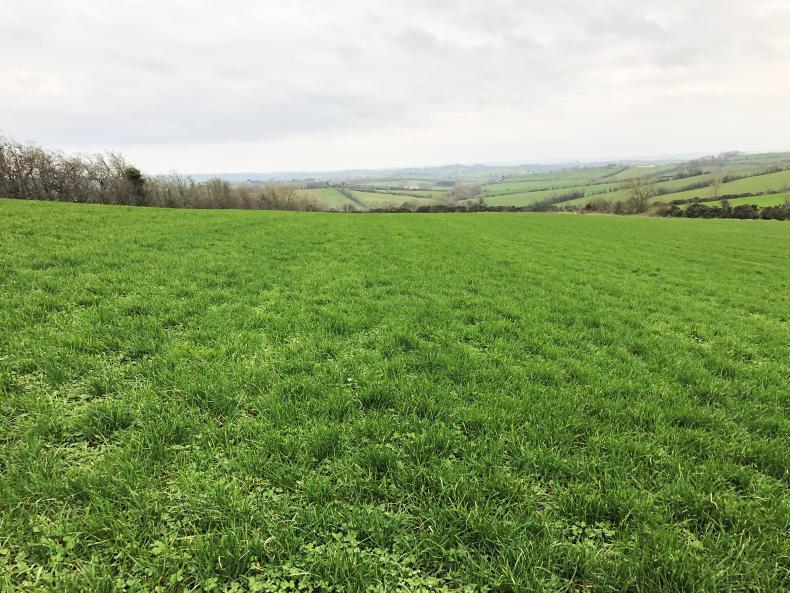
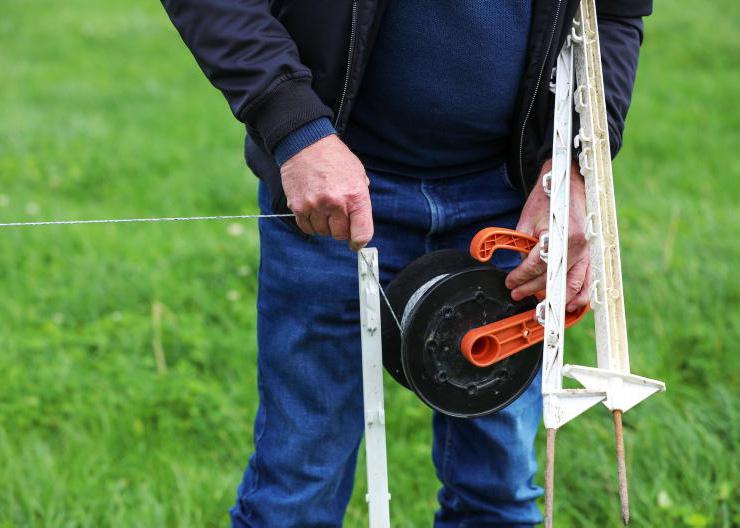
Stock that is left out will need two things: shelter and grass. Shelter is self-explanatory. In terms of grass, it’s very hard to follow the grazing rule book. Do what needs to be done and that might mean getting creative. Large grazing groups are a big no-no. If they get unsettled, poaching can get severe, quickly. I think strip- or block-grazing is the way to go. Allocate enough for one to two days only and move them just before heavy rainfall is due. Keeping stock moved frequently will give you the best chance.
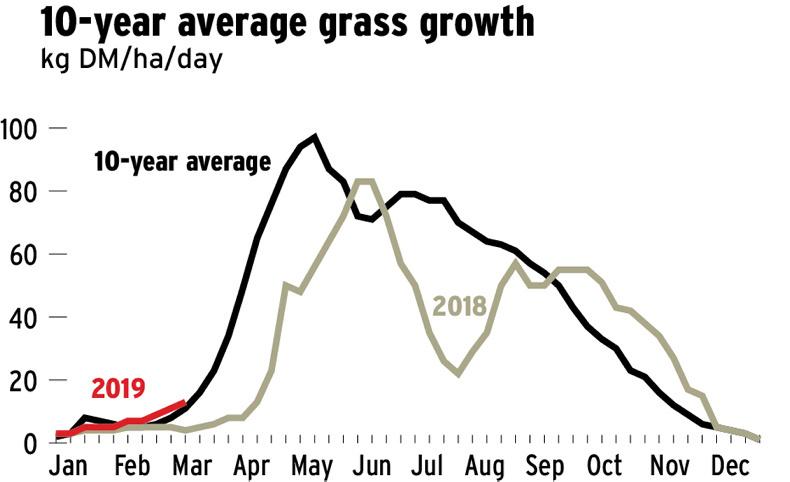
It’s encouraging to see growth rates are still creeping up. The national average is sitting at 13kg DM/ha/day now.
This content is available to digital subscribers and loyalty code users only. Sign in to your account, use the code or subscribe to get unlimited access.
The reader loyalty code gives you full access to the site from when you enter it until the following Wednesday at 9pm. Find your unique code on the back page of Irish Country Living every week.
CODE ACCEPTED
You have full access to the site until next Wednesday at 9pm.
CODE NOT VALID
Please try again or contact support.
Let’s face it, we weren’t going to escape without a spell of bad weather at some stage.
After the rain that has fallen over the last seven days, and the cooler temperatures last weekend, grazing has more or less come to a standstill on many farms throughout the country. But does this mean that early grazing was a failure? And was it all a waste of time? I think not. As I have argued on page 36, any early grazing achieved during February won’t have been in vain. Fodder will have been saved and grazed ground will be up and growing for the second rotation. Even just getting cattle outdoors is an advantage in itself. Weanlings or stores will be accustomed to their outdoor surroundings once again while getting new born calves outdoors and past that critical 10-day-old age is a great help health-wise. If cattle have to be re-housed, or have already been housed this week, I don’t think it should be seen as a major setback. Wicklow farmer Brian Doran agrees.
Forecasts for the coming week show that there is plenty more rain on the way. This will lead to further housing in some cases. Others will choose or be forced to leave stock out. I’d prefer to leave lighter weanlings/stores out as opposed to cows and calves if I had the choice. However, if cows and calves are being left out, be extremely cautious with grass tetany – particularly on ground that received slurry early in the spring. At the very least allocate lick buckets, but consider bolusing or feeding 2kg ration and powder minerals daily too.
Stock that is left out will need two things: shelter and grass. Shelter is self-explanatory. In terms of grass, it’s very hard to follow the grazing rule book. Do what needs to be done and that might mean getting creative. Large grazing groups are a big no-no. If they get unsettled, poaching can get severe, quickly. I think strip- or block-grazing is the way to go. Allocate enough for one to two days only and move them just before heavy rainfall is due. Keeping stock moved frequently will give you the best chance.
It’s encouraging to see growth rates are still creeping up. The national average is sitting at 13kg DM/ha/day now.
If you would like to speak to a member of our team, please call us on 01-4199525.
Link sent to your email address
We have sent an email to your address. Please click on the link in this email to reset your password. If you can't find it in your inbox, please check your spam folder. If you can't find the email, please call us on 01-4199525.
ENTER YOUR LOYALTY CODE:
The reader loyalty code gives you full access to the site from when you enter it until the following Wednesday at 9pm. Find your unique code on the back page of Irish Country Living every week.






SHARING OPTIONS