


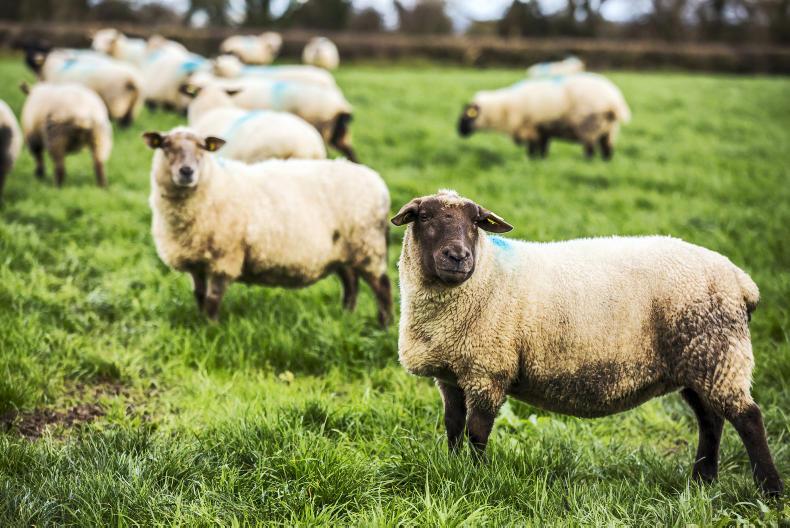
On many farms this has been an ideal spring, with stock housed late and out early to take advantage of the good grass growth. There are so many advantages to the outdoor grazing systems we have, but there is one challenge that doesn’t seem to be going away – parasites. Worms and fluke feed off the animals they occupy, with mild to severe consequences on health and performance. With the potential for a longer grazing season this year, we must have a solid plan around parasite control.
Last year, the drought slowed down parasite problems on farms but an increase in worm burdens came with the return of grass growth and rain in August. Ideal grazing conditions seem to bring ideal conditions for these parasites as well. This is because the infective larvae often need mild weather to survive and wet conditions to migrate along the plant.
Resistance is now a problem developing with some wormers. This is often caused by overuse or incorrect use. This allows parasites to adapt and become resistant to these products. We even sometimes use products when they are not needed.
The life cycle
Most worms and even fluke have two stages of development – one in pasture and one in the animal. We can control the stage within the animal by using doses to control and kill parasites. At pasture we can often do little but we must understand when conditions are right for development and grazing strategies that increase the risk.
A good example of this is nematodirus worm in lambs in late spring. This worm’s larvae will hatch after temperatures of 10-15°C for seven to 10 days; typically we will see this in April. The warm start to spring could result in this being an issue in flocks earlier this year. It is the same for liver fluke – when we have wet and mild conditions, the risk seems to increase in certain years.
So over the coming weeks farmers need to be mindful of the scouring and weight loss in young lambs associated with nematodirus.
The source of worms
Some worm eggs will overwinter and survive in pasture, particularly after a mild winter such as that we just had. They will almost be in a state of hibernation. With the favourable conditions of mild wet weather, they move into infective stages. Also, older animal such as cows and ewes can be reservoirs of infection for the new grazing season. They often only contain small levels but this is enough to begin the worm life cycle again.
This can be complicated in the ewe around lambing, when a drop in immunity can see a rise in worm eggs in their faeces. In some flocks, farmers will dose young ewes, ewes carrying triplets or any thin sheep to overcome this.
The ideal scenario is minimal dosing for adult cattle and sheep. This is because we want an immunity to develop naturally. To overcome this we should consider using dung samples or faecal egg counts. These can be pooled, with groups of animals being tested to check for parasite levels. Consistently low levels of egg counts are good, with rising levels indicating possible need for treatment.
When using egg counts, we generally advise dosing above 800 to 1,000 eggs per gramme (EPG). On some farms this can be lowered to 500 EPG but must take into account clinical signs and weights.
Dose by calendar
We want to minimise dosing where possible and when we do use wormers we want the best results. So getting some idea of risk or parasite burdens on our farms is crucial.
We can use faecal egg counts in young stock in their first grazing season, starting often when they are out for four to six weeks and then repeat every four to six weeks as a monitoring tool. With cattle and ewes on their second grazing, every eight weeks for pooled sampling should suffice. On dairy farms, bulk milk samples are useful and hopefully for beef farms blood tests will become cheaper and more accurate.
The products we use to worm our animals are a vital tool in animal health management. They can no longer be dispensed regularly without good evidence supporting their use.
Immunity
Overuse of anthelmintic or wormers creates a risk around delayed immunity. In our first grazing season we want to kill parasites but still allow some natural immunity to develop. This becomes a challenge if we have heavy burdens, turning out calves and lambs to the same pasture each year.
This can be a particular problem where we see coccidiosis every year in calves or lambs. When we investigate these cases we often see that animals are turned out to the same paddocks each year. We can overcome this by strategic dosing with coccidostats at keys times but it is worth considering grazing strategies and where young animals are turned out to.
A parasite that causes problems year on year is lungworm. It seems to be causing issues earlier and earlier in dairy calves and for the last number of years in adult dairy cows. It also is a problem in sucklers later in the year. It seems to be somewhat unpredictable. Like many parasites, it favours mild and wet weather.
We need to really consider lungworm vaccines on dairy farms where this is a big issue yearly. This is a live oral vaccine requiring two doses to calves before turnout – first dose at eight weeks then repeat dose in four weeks and turnout two weeks later. It involves keeping calves in longer but might be an option for some farms. Second-grazers can also receive a booster dose two weeks out from turnout.
Lungworm is causing significant losses on farm. It is worth considering reviewing control programs this spring.
For many years we have struggled with resistance in our sheep flocks. This is where the parasites become resistant through overexposure or ineffective dosing. Every farm can get a handle on where they stand regarding resistance issues using faecal egg count reduction tests. This is something many sheep farmers may have done when after dosing they haven’t got the response they might have expected.
Resistance to worm products also seems to be a concern for cattle farmers. So to test for evidence of resistance we take a faecal egg count before dosing, then dose and repeat the faecal egg count seven days (for yellow drenches) or 14 days (for white and clear drenches) later. We should expect to see a reduction of greater than 95% in worm counts. Where we see poor kills, we must consider resistance as an issue.
I counted more than 135 worm products on the Irish market recently. This is a lot considering we have only three main active ingredients? The price and volume we can purchase of these also seems to be coming down, which seems like great news to farmers.
For me this means two things – one that we will use these products less sparingly and two we will struggle to maintain quality and regulation around these products. With resistance growing, it would not surprise me to see tighter regulation around the use of wormers in the future.
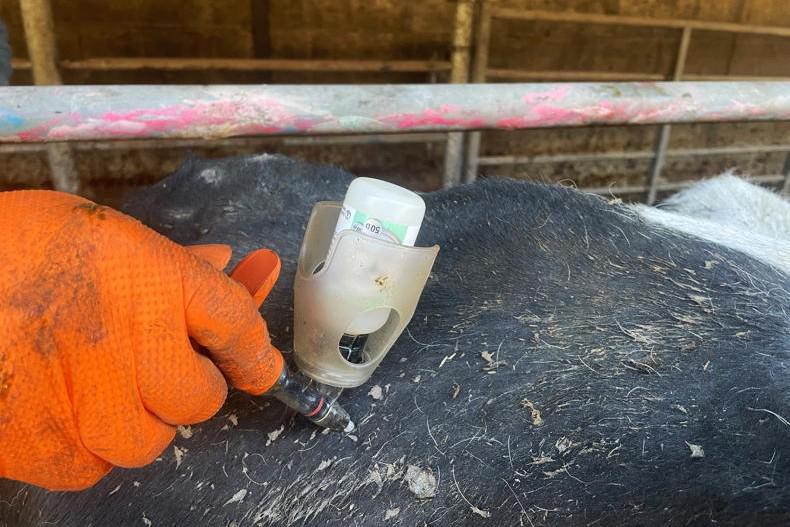
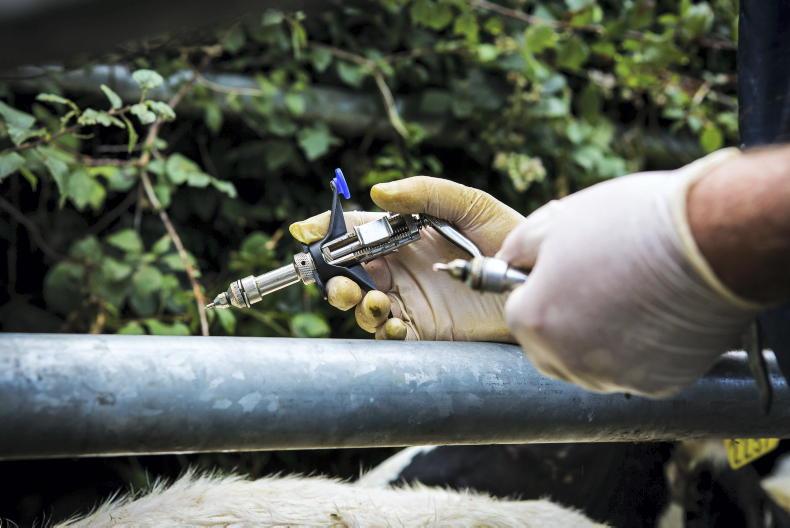
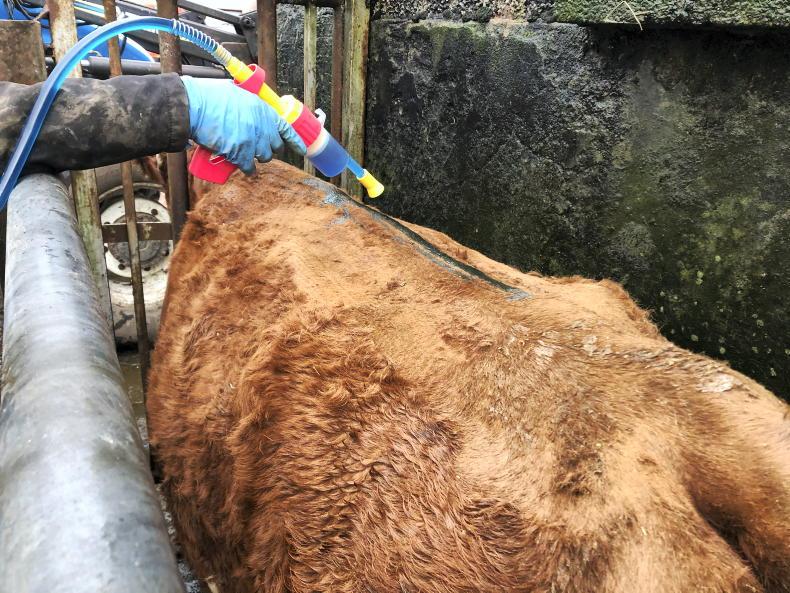
To slow down resistance now, please spend time calibrating dosing equipment and also don’t under-dose stock. Another reason why there is huge value in regularly weighing stock on farms.
A parasite control plan might be a good investment of your time right now. There’s nothing like being prepared for a problem before it arises, particularly when parasites keep rearing their ugly heads every year.


SHARING OPTIONS