



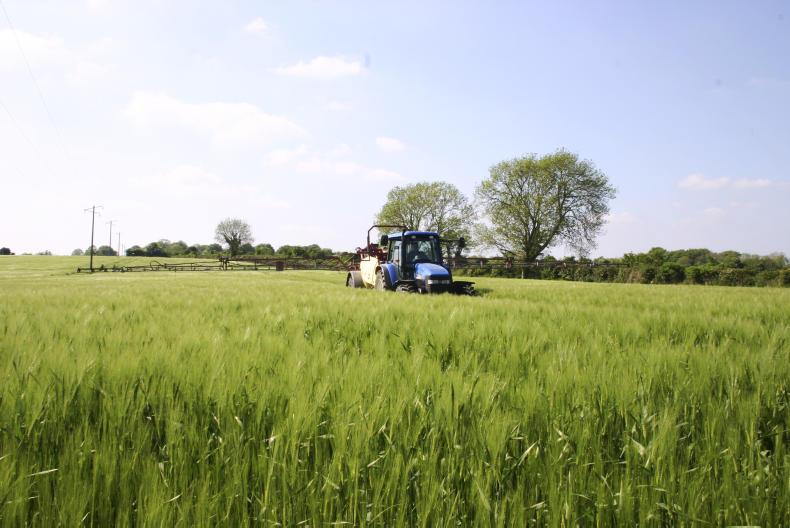
It can hardly be deemed a surprise that chlorothalonil has been revoked within the EU, but it is more than a disappointment for Irish growers. It is perhaps the most striking example of what lay behind my comments in recent years that we are coming to the end of the chemical era.
There will be other products available, but we will have to learn how to depend less on these inputs.
The precise details of the revocation are not yet known, but as far as I understand, this could be handled somewhat differently to the normal run of products.
In general, when a decision has been made to revoke an active, the industry is given six months to sell existing product out of stock and farmers are then given an additional 12 months to use all remaining stocks of that active.
The clock starts ticking on the process once the revocation is officially published rather than the date the decision is made.
That said, many other actives currently being revoked are being given much less time for all existing stocks to be used up. And for many of these actives, this means sale and use in the same year if the use-by date is February or March next year.
In the normal course of events, we might expect sales to be allowed until the end of this year, with use-up for next year’s growing season.
However, the suggestion currently is for publication in May, sales up to the end of November 2019, with use-up by the end of May 2020. This would exclude the product from the final spray on spring barley – an additional month would be very useful in this scenario.
The implications
As of now, one of the most important consequences for us is to learn how to do without chlorothalonil.
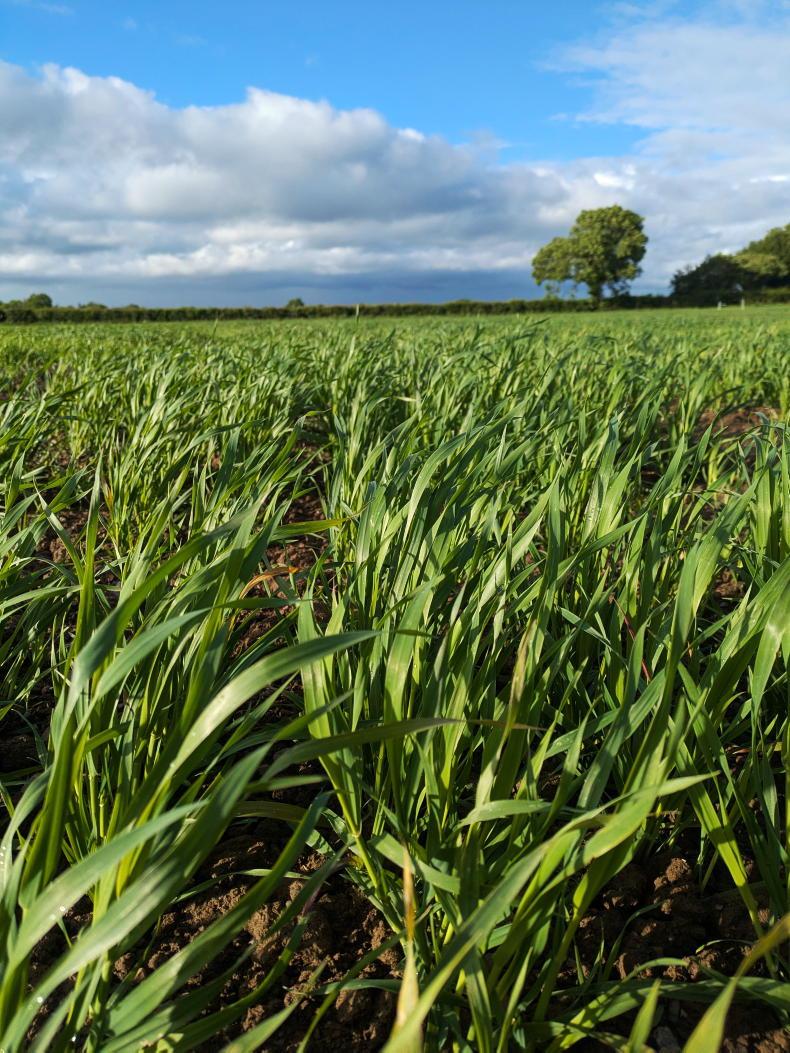
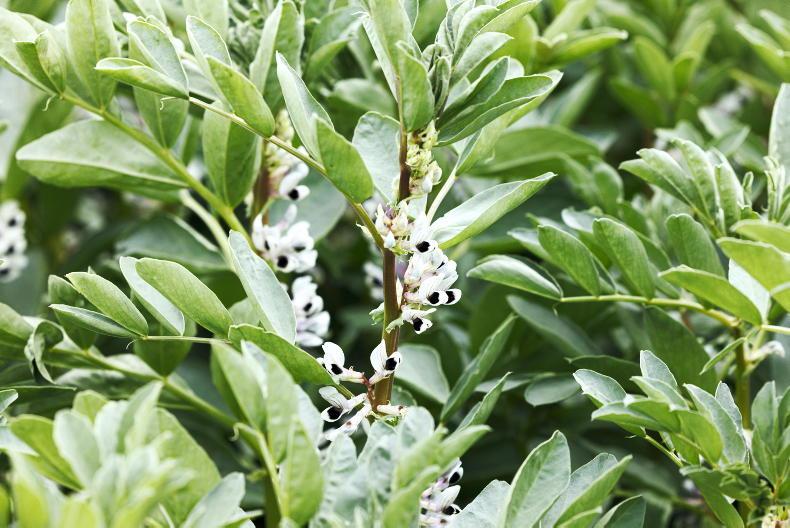
We have two seasons at most. The two major crops affected are barley and wheat, as it is not allowed on oats. It will also be missed on beans, where one formulation continues to be cleared for chocolate spot control.
We know we will have new actives coming to the market next year and hopefully others for a few years following.
We will hope that guidance and sensible use of these new families and actives can keep them fully functional for a good few more years with regard to septoria in particular.
There will be a few new families of chemistry, or at least we hope there will be, which will hopefully be able to protect one another in this time span.
But these will still need to be supported by chlorothalonil for as long as it is legally available and then by folpet (Phoenix).
So now we will need guidance on the optimum use of Phoenix, both in terms of the application rate required to do a specific job and the most appropriate timings.
While we can look into the short- to medium-term and be hopeful on septoria control, I am not sure that we can do the same with ramularia.
This has proven itself to be an extraordinarily versatile fungus, with an ability to break or soften the effect of a new fungicide within a year or two.
So even if new actives arrive with field efficacy against ramularia, we must realistically expect that this effect will be short-lived – possibly a matter of a year or two.
That said, even a year or two could be useful as we continue to search for some combination of more robust control measures.
It seems likely from history that single-site actives will continue to succumb to the power of ramularia to evolve. With this in mind, we will need to learn to become sharper with Phoenix, again in terms of rate and timing, to learn if it can do the same equally good job as chlorothalonil did.
While this is mainly the domain of researchers, individuals and growers should also be looking at the relative merits of both in fields this year.
In summary
The decision has been made to revoke the registration of chlorothalonil, but it looks like it will be available for use in 2019, while there may be a bit less certainty for 2020. This will mean that we have to look at, and for, alternatives to include Phoenix. Perhaps the greater worry is that difficult questions are now being asked regarding the future for all contact fungicides at EU level.


SHARING OPTIONS